WE SETTLE BIG CLAIMS
Fire Damage Insurance Claims:Get the settlement your policy promises
Trusted by policyholders for over 15 years. Always on your side.
After a commercial, multifamily or residential fire, hidden smoke, soot and building-system damage can extend well beyond visible burn areas. ICRS represents policyholders—not insurance companies—in complex property claims.
FREE FIRE CLAIM GUIDE • PRACTICAL CHECKLISTS
Your next decision could affect your entire fire claim.
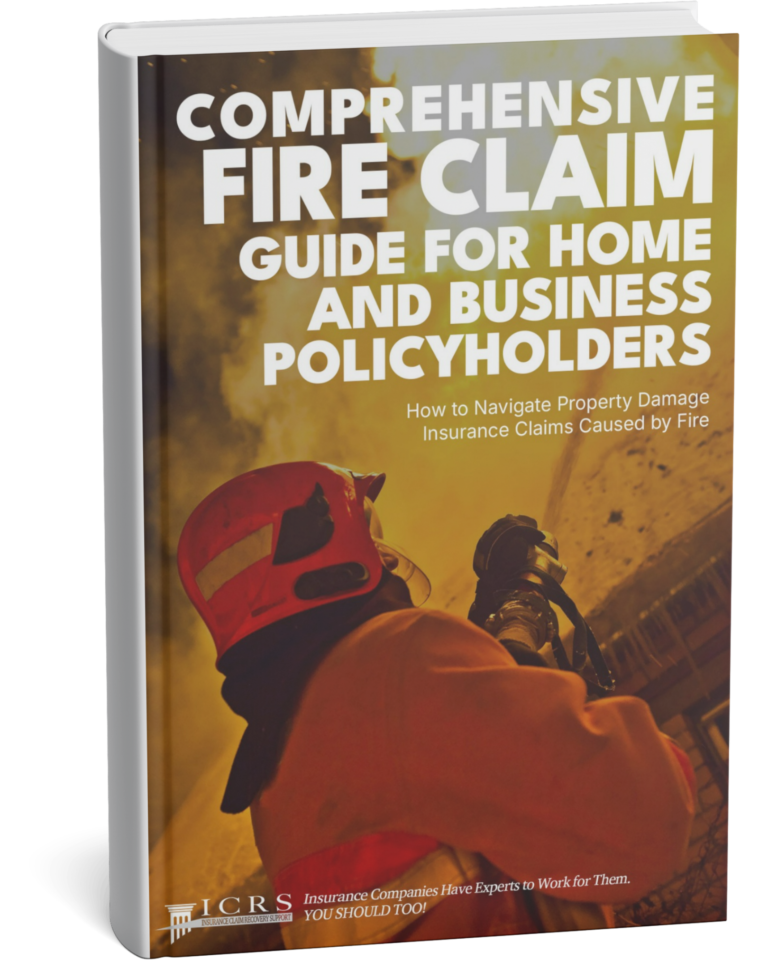
Get the free ICRS Fire Claim Guide and learn what to document, which questions to ask, where hidden smoke and soot damage may be overlooked, and how to avoid common claim mistakes. No guesswork—start with a practical plan.
Yes, Send Me the Free Fire Claim Guide →Open the guide request page to choose your claim type and access the free resource. Your information stays with ICRS.
A Stronger Claim Starts with Knowing Your Rights
Get the ICRS special report: How to Maximize Your Policyholder Rights During a Property Damage Insurance Claim. A practical guide to protecting evidence, understanding policy duties and presenting a complete claim.
We Settle Large-Loss Fire Claims
Settle Large-Loss Fire Damage Claims with ICRS Public Adjusters
ICRS public adjusters document, present and negotiate large-loss fire property damage claims
A major fire can interrupt more than a building. Commercial and multifamily owners may be facing smoke and soot migration, firefighting-water damage, damaged contents, specialized cleaning, building-code concerns, lost rents or interrupted operations. The full scope is not always visible during the insurer’s first inspection.
ICRS represents policyholders—not insurance companies. We help coordinate the evidence, evaluate estimates and specialist findings, document covered damage, and negotiate the fire damage insurance claim under the terms of the policy. Understand the fire claim process, or request a review of your large-loss claim.
- Apartment Complex Fire Claims
- Commercial Building Fire Claims
- Multi-Family HOA Fire Claims
- High-Value Custom Home Fire Claims
- 5 Signs You Need Claim Help Now
What a Complete Fire Damage Insurance Claim Should Investigate
A complete fire claim documents visible damage and less obvious effects from smoke, soot, heat and firefighting water. The investigation should also consider building systems, contents, code requirements and financial impacts where relevant.
Smoke and soot damage beyond the fire area
Smoke residues can move through building openings, wall cavities and ductwork. Depending on the fire and construction, evaluation may extend to insulation, HVAC components, electronics, finishes and contents. Qualified specialists can help determine what requires further testing, cleaning or replacement. Read our building fire damage guide.
Contaminants, cleaning and restoration scope
Cleaning is not a one-size-fits-all answer. Restoration decisions should consider the affected materials, residue characteristics, safety, manufacturer requirements and appropriate post-remediation verification. An independent industrial hygienist may assess combustion residues, surface or air samples, HVAC-connected spaces and material impacts. Explore our smoke damage claim guide, fire and smoke damage resource and asbestos safety after a fire for related considerations. Explore fire-claim mistakes to avoid.
Commercial and multifamily fire losses
Apartment communities and commercial buildings can involve multiple units, shared systems, tenant displacement, rent loss and business interruption. Documenting each affected area and operational impact helps avoid an incomplete estimate.
See our guidance on apartment fire insurance claims and commercial fire claims.
Estimates, documentation and settlement
Keep photographs, mitigation invoices, contents inventories, expert reports, correspondence and competing estimates organized. Compare the insurer’s scope with documented repair requirements; identify any disputed omissions and the policy provisions that apply. Learn how the fire claim process works and how to compare damage records and estimates.
Commercial and Multifamily Claim Insights
Why an independent industrial hygienist may matter after a fire
Smoke and soot can leave residues and combustion byproducts on surfaces, inside porous materials, within wall or ceiling cavities, and along HVAC pathways. A room may appear unaffected while site conditions still warrant closer evaluation. An independent industrial hygienist can help assess the conditions, determine whether targeted surface or air sampling is appropriate, interpret laboratory results, recommend site-specific cleaning or remediation criteria, and support post-remediation verification.
The hygienist does not decide insurance coverage or replace the role of an engineer, public adjuster or qualified remediation contractor. Their findings can, however, provide important technical evidence when determining whether cleaning, sealing or replacement should be considered. Not every fire requires the same testing; the scope should be based on the building, fire conditions and professional judgment.
Learn more: smoke damage claims, fire and smoke damage, and asbestos safety after a fire.
Further reading from ICRS
Existing ICRS articles offering additional detail for policyholders and property managers.
Coverage, claim obligations and settlement depend on policy wording and loss circumstances. The articles are educational resources, not a guarantee of coverage or recovery.
Fire damage doesn't stop where the flames stop.
The most expensive fire losses can involve damage beyond the burn area. These components may require additional inspection, appropriate testing, and expert evaluation before the scope of repairs or replacement is established.
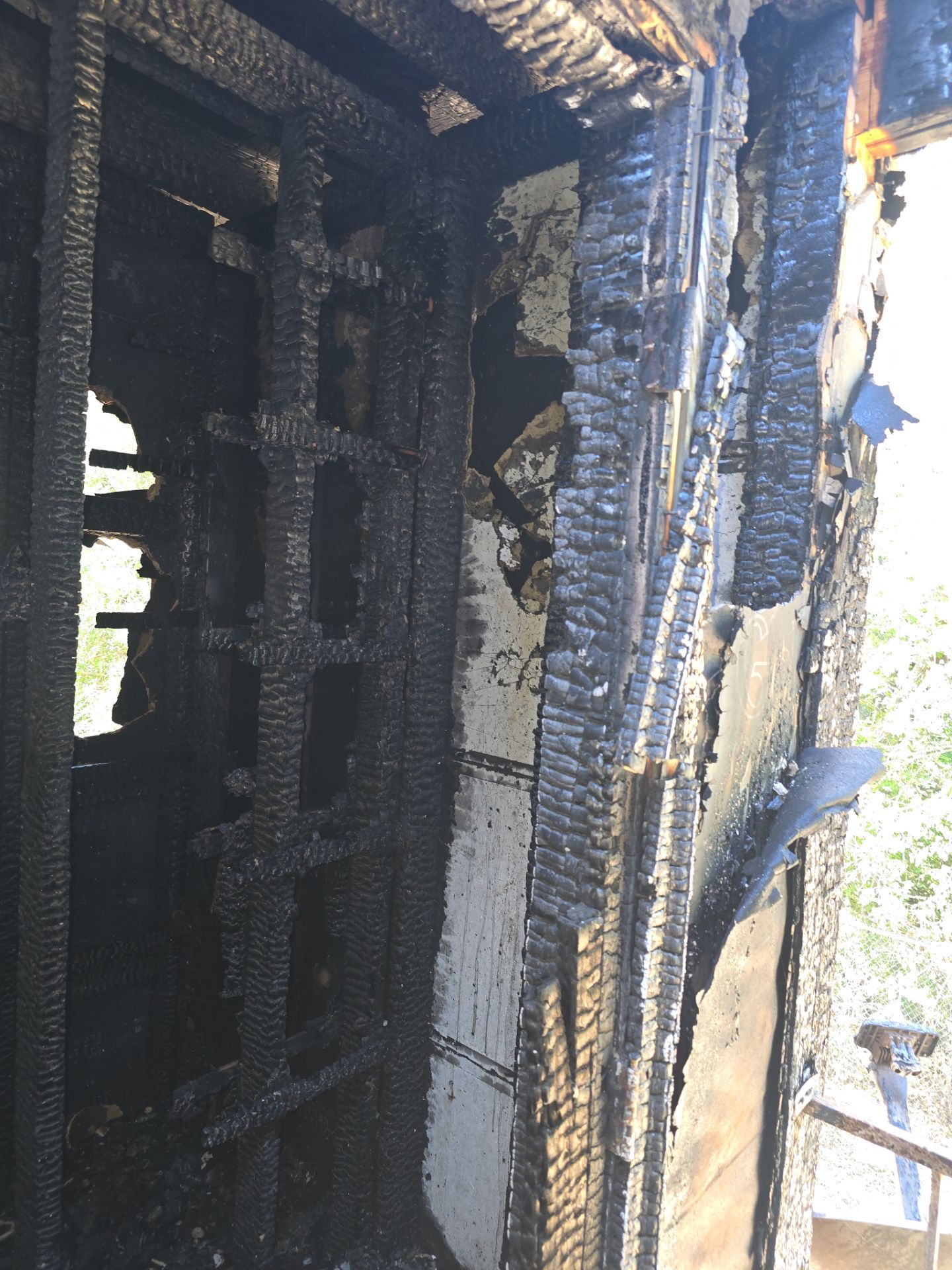
Visible fire and heat damage
Charred framing, heat-distorted components, damaged finishes, structural concerns and building systems affected by high temperatures.
Smoke, soot and hidden residue
Residues can travel beyond the room of origin, affecting concealed spaces, porous materials, ductwork, electronics and contents.
Water and operational losses
Firefighting water, moisture, corrosion risks, interrupted occupancy and business operations may create additional claim considerations.
Damage extent, the need for testing, repair methods and coverage depend on the facts, qualified assessments and policy wording.
Where smoke and soot may travel
A room can look untouched yet still deserve inspection.
Your Duties After a Fire
What to document and protect as the fire claim begins.

From fire loss to supported settlement
A disciplined claim process helps preserve the evidence, evaluate the entire scope, and reduce avoidable disputes and delays.
Temporary Repairs, Fire Marshal Reports and Rebuild Planning
Why repair decisions, permits, code upgrades and supporting records matter to a fire claim.
Fire damage insurance claim FAQs
Answers to questions property owners often ask after a major fire.
Does property insurance cover smoke and soot damage?
Many property policies provide coverage for direct physical loss caused by fire and related smoke, subject to policy terms, limits, exclusions and the facts of the loss. Documentation and appropriate expert evaluation can help establish the scope.
Can fire damage exist outside the burned room?
Yes. Smoke residues, heat, odor and contaminants may migrate through openings, building cavities and HVAC systems. The actual extent should be evaluated based on site conditions and qualified testing where warranted.
What should I do immediately after a fire?
Prioritize safety, notify the insurer promptly, take reasonable steps to protect the property when safe, preserve photographs and documentation, keep receipts, and review your policy's duties and deadlines. Consult qualified professionals before disturbing potentially hazardous materials.
Can firefighting water damage be part of the fire claim?
It may be. Water used to extinguish a fire can affect building materials, equipment and contents. Whether resulting remediation or replacement is covered depends on the policy and the loss circumstances.
When should I contact a public adjuster for a fire claim?
Consider early guidance when the loss is substantial, the repair scope is complex, hidden damage is disputed, or estimates differ materially. ICRS represents policyholders on qualifying large-loss claims and can explain its available service options.
What does an industrial hygienist do after a fire?
An industrial hygienist evaluates potential exposure and contamination concerns, determines whether sampling is appropriate, interprets results and may recommend cleaning, remediation or verification criteria based on site conditions. They do not determine insurance coverage.
Can smoke damage spread through HVAC systems?
Smoke and particulate residues may enter return-air pathways, ductwork and connected spaces depending on the building and event. A qualified professional can assess whether inspection, cleaning, testing or component replacement is warranted.
Can a room with no visible fire damage still be contaminated?
Smoke residues and odor can migrate beyond the fire-origin room through openings, cavities and mechanical systems. The extent must be evaluated based on actual conditions.
Should fire-damaged materials be cleaned or replaced?
That depends on the material, residue, condition, safety considerations, manufacturer guidance and appropriate professional assessment.
Can smoke and soot damage electronics?
Combustion residues may affect sensitive electronics and electrical components. Appropriate inspection by qualified specialists can help determine whether cleaning, testing or replacement is appropriate.
How do commercial fire claims differ from residential fire claims?
Commercial and multifamily losses may involve multiple buildings or units, shared systems, tenant displacement, lost rents, business interruption, extra expense, code issues and complex project phasing.
Can a fire claim include building-code upgrades?
Some policies include ordinance or law coverage, subject to limits, conditions and the circumstances that trigger it. Review the policy and applicable building requirements with qualified professionals.
What if the insurance company's estimate misses hidden damage?
Document the omitted areas, obtain appropriate specialist findings and repair estimates, and submit a clear written explanation with supporting evidence.
What documentation should I keep after a fire?
Keep photographs, videos, mitigation records, invoices, damaged-property inventories, expert reports, repair estimates, correspondence, receipts and records of lost income or additional expenses where applicable.
Does insurance cover smoke and soot damage outside the burned area?
Coverage depends on the policy language, facts, cause and extent of damage, exclusions and applicable law. Document the conditions and review the specific policy.
What is the difference between a public adjuster and a restoration contractor?
A public adjuster represents the policyholder in documenting, preparing and negotiating the insurance claim. A restoration contractor performs mitigation or repair work.
The technical knowledge behind a complete fire claim
IICRC Certifications Held by ICRS Team Members
ICRS team members hold professional certifications issued by the IICRC in water damage restoration, fire and smoke restoration, and odor control. That technical background helps us recognize when a fire claim may require specialist investigation, testing or restoration documentation.
IICRC Water Damage Restoration Technician
The IICRC Water Damage Restoration Technician (WRT) certification covers water damage restoration principles relevant to evaluating firefighting-water impacts, moisture migration and drying considerations.
IICRC certification held by an ICRS team member: WRT #229373IICRC Certified Fire & Smoke Damage Restoration Technician
The IICRC Fire & Smoke Restoration Technician (FSRT) certification covers principles related to fire and smoke damage evaluation, cleaning and deodorization of affected structures and contents.
IICRC Certified Odor Control Technician
The IICRC Odor Control Technician (OCT) certification addresses odor sources, detection and control methods, including combustion-related odors from fire and smoke.
ICRS represents policyholders and coordinates with independent engineers, industrial hygienists and qualified remediation professionals when a claim requires specialized assessment. Learn about IICRC certifications.
Public Adjuster for Fire Claims
Fire Damage Insurance Claims
Understanding Fire Insurance Claims and Policyholder Responsibilities
Fire insurance claims typically include charred, water, soot, and smoke-damaged materials. The claims process, scope of work, and estimated price to reasonably mitigate, repair, or replace your business or residential property may also include mold, asbestos, business interruption losses, and code compliance.
Ensuing water damage, asbestos, and other additional damages potentially caused by the fire department’s efforts to put out a fire can lead to mold and other issues. Your insurance policy language may provide limited or no coverage. Your insurance company adjuster may blame a restoration company. It is important that you understand that there are reasonable considerations and circumstances that can trigger or exclude coverage so it’s important and timely that policyholders fully understand both their benefits and liabilities.
In order to determine how long you wait and how much you will have to pay for all your damages associated with a fire loss that is reasonable and necessary under your policy, it will likely require sophisticated negotiation skills. How quickly a fire claim is mitigated, documented, and submitted to an insurance company can make a BIG difference between a fair and prompt settlement or a burdensome journey filled with delays, frustration, underpayments, or worse yet, months of unnecessary litigation or appraisal.
Fire claim resources are available: Download our free Fire Claim Guide for fire-loss documentation tips, claim-process information, and recovery resources. If firefighting or a related leak caused water damage, the Water Damage Insurance Claim Guide provides additional documentation and recovery resources. For assistance with your own loss, request a fire damage claim review.
Importance of Timely Action and Policyholder Duties
Understanding your contractual duties as a policyholder to your insurance company and the contractual duties your insurer owes you as a policyholder is key to managing your liability and risk. If you’re not getting the answers you need from your insurance company, don’t wait! The longer fire-damaged property is exposed to moisture, soot, and the elements from openings caused by the fire department, the more liability you have as a policyholder.
Challenges in Fire Claim Investigations and Policy Interpretation
A proper good faith claim investigation can be subjective especially if the mitigation wasn’t handled properly or your fire claim has repair vs. replacement disputes. The interpretation of your policy and the scope of work to be performed can also be very subjective. Oftentimes, Policyholders have a certain view of covered damages, and insurance companies share a different view. The scope and cost of damages are often in dispute.
Role of Public Insurance Adjusters
Our public insurance adjusters help policyholders like you meet the burden of proof required by insurers and represent your interests to negotiate a fair and prompt settlement on your behalf, never the insurance company. Navigating policy language, benefits, and exclusions, proper depreciation, insurance adjuster estimates, engineer reports, law and ordinance limits, mold limits, documenting your losses, and holding your insurer accountable to the Department of Insurance guidance and insurance code statutes are all key points to successfully negotiating a fair and prompt settlement with your insurer.
Why Choose Insurance Claim Recovery Support (ICRS)
When you search for the most trusted public adjusters near me for commercial and multifamily fire insurance claims, Insurance Claim Recovery Support (ICRS) is the public insurance claim adjusting firm specializing in representing the interests of policyholders dealing with large property damage claims.
We hold HAAG Commercial Roof Inspector and IICRC WRT certifications in addition to public adjuster licenses in multiple states.
ICRS routinely settles complex multi-million dollar fire claims. If you own or manage an HOA, Multifamily apartment complex, food plant, storage facility, high-value home, or other commercial property, you’re no stranger to risk management. When your real estate asset suffers a fire and smoke damage insurance claim, managing risk and knowing your policyholder rights is critical to getting the fair and prompt settlement you deserve.
Large Commercial and Multifamily fire damage insurance claims can be complex, time-consuming, frustrating, and expensive if you don’t have professional guidance and representation. Know your rights and know your settlement options.
You wouldn’t hire the I.R.S. to prepare your tax returns so why allow your insurer to prepare your insurance claim?
Hiring a Hygienist to Assist Your Fire Claim
A hygienist to help determine the extent of the damages you’ve incurred will make the claims process much more effective for getting you the maximum reimbursement you deserve. A Certified Industrial Hygienist will test your dwelling for levels of mold, asbestos, smoke, ash, soot, and various additional contaminants that exist within. The job of the hygienist is to test and report all resulting environmental damages as part of your fire claim.
Types of Sampling Conducted by a Hygienist
A hygienist will perform three important types of sampling in order to determine how much damage has been incurred. The first is tape sampling which focuses on testing for evidence of contaminants that exist on any interior surfaces of the home. The second is called vacuum sampling and this focuses on finding evidence of any particulate or contaminants that have permeated furniture, window coverings, floor coverings, and other soft materials located within the home. Lastly, the hygienist will conduct air sampling to detect the level of any breathable toxins that are in the air.
Benefits of Hiring a Public Adjuster and Hygienist
All of these samples are tested for toxicity in a laboratory. Once the results are received by the hygienist, a full report is completed and recommendations are made as to whether the items that have been detected may be cleaned out entirely or if the materials that have been contaminated will need to be replaced.
By hiring a public adjuster and a certified hygienist, you can ensure that you have experts on your side to help you navigate the complex claims process. These professionals will work together to provide a thorough assessment of the damages and negotiate with the insurance company on your behalf. This can help you avoid underpayments, delays, and unnecessary litigation, ultimately leading to a fair and prompt settlement for your fire damage claim.
Preparing for Future Property Damage Claims
While it’s crucial to address current fire damage claims, it’s also important to prepare for potential future claims by understanding your insurance policy and assessing your risk management strategies. Review your policy regularly to ensure you have adequate coverage and consider making updates or adjustments as needed. By being proactive, you can minimize the financial impact of property damage and protect your assets.
Dealing with fire damage insurance claims can be a challenging and stressful experience, especially when you’re faced with complex policy language, differing interpretations, and potential disputes. By working with a public adjuster and a certified hygienist, you can ensure that your interests are well-represented, and you receive the fair and prompt settlement you deserve. Additionally, take the time to review your insurance policy and risk management strategies to minimize the impact of future property damage claims.
More ICRS Claim Videos
Years Experience
Claims Settled
Hours Worked
Average Claim Amount
No Recovery, No Fee
Get a complimentary consultation on your damage insurance claim. Our public adjusters exclusively work for the interests of policyholders, not the insurance company. If you choose to hire us, we work on contingency. No recovery, no fee. Our insurance claim process is proven and streamlined. We also value your privacy. We do not sell, trade, or rent your personal information to others.
Need immediate fire damage insurance claim help?
TESTIMONIALS
What Clients Say About ICRS
It pays to know ICRS – “747% Higher Payments with a Public Adjuster for Claims related to a 2005 Hurricane”


Frequently Asked Questions
What should I do immediately after a fire damages my commercial property?
After a fire, prioritize safety and contact emergency services. Once the site is secure, document all damages with photos and video, notify your insurance company, and consider hiring a public adjuster to represent your interests during the fire damage insurance claim process.
What should apartment owners do after a fire damages their property?
Apartment owners should first ensure tenant safety and contact emergency services. Once the fire is controlled, document all fire and smoke damage, notify your insurance provider, and consult a public adjuster experienced in multifamily fire claims to help navigate the recovery process and protect your investment.
How long does it take to settle a commercial fire damage insurance claim?
The timeline depends on the extent of the fire damage, the documentation available, policy coverage, inspections, and any disputes. A public adjuster can help organize the claim and communicate with the insurer, but cannot guarantee a settlement date or outcome. Ask for a written status update and a list of any outstanding information.
What is a public adjuster and what do they do?
A public adjuster is a licensed insurance professional who specializes in helping policyholders navigate the complex process of filing and negotiating property damage insurance claims. Public adjusters represent the policyholder’s interests, not the insurance company’s, and work to ensure that the policyholder receives a fair and prompt settlement for their claim. Their duties include evaluating the damage, reviewing the insurance policy, preparing a detailed claim, and negotiating with the insurance company on behalf of the policyholder.
What if my fire damage insurance claim is denied or underpaid?
If your claim is denied or underpaid, a public adjuster can help review the insurance company’s decision, identify discrepancies, and pursue a fair settlement through documentation and negotiation—often without the need for litigation.
How can a public adjuster help with my fire insurance claim?
A licensed public adjuster works on your behalf—not the insurance company—to assess, document, and negotiate your fire damage claim. They help maximize your settlement and ensure you receive a fair payout based on your policy coverage.
When should I hire a public adjuster?
You should consider hiring a public adjuster if you are facing a large or complex property damage insurance claim, such as those resulting from fire, water, or storm damage. Public adjusters are particularly helpful when the scope of the damages is unclear, the insurance company’s offer seems insufficient, or there are disputes about the cause or extent of the damage. Hiring a public adjuster early in the claims process can help ensure that your claim is properly documented, and your interests are well-represented throughout the process.
How are public adjusters compensated?
Public-adjuster fees and services depend on the written agreement and applicable state requirements. Before hiring an adjuster, review how the fee is calculated, when it is payable, the services included, and any cancellation terms. Ask the adjuster to explain the agreement before you sign.
How do public adjusters differ from insurance company adjusters?
Insurance company adjusters are employed by the insurance company and work to protect the company’s interests. Their primary goal is to evaluate the claim and determine the amount the insurance company is liable to pay, which may not always align with the policyholder’s best interests. On the other hand, public adjusters are independent professionals who work exclusively on behalf of the policyholder. Their primary goal is to ensure that the policyholder receives a fair and prompt settlement for their claim.
Do I need a public adjuster if I already have an insurance agent or broker?
While insurance agents and brokers can provide valuable guidance and assistance in filing an insurance claim, they may not have the specialized expertise required to manage complex property damage claims. Public adjusters have extensive experience in assessing damages, interpreting insurance policies, and negotiating with insurance companies, which makes them better equipped to handle large or complicated claims. Hiring a public adjuster can be especially beneficial if you are not satisfied with the settlement offer from your insurance company or if you are facing disputes regarding the cause or extent of the damage.
What types of fire damage are covered by commercial property insurance?
Most commercial property insurance policies cover fire and smoke damage, structural damage, damage to inventory or equipment, and loss of income due to business interruption. Coverage depends on your specific policy terms and exclusions.