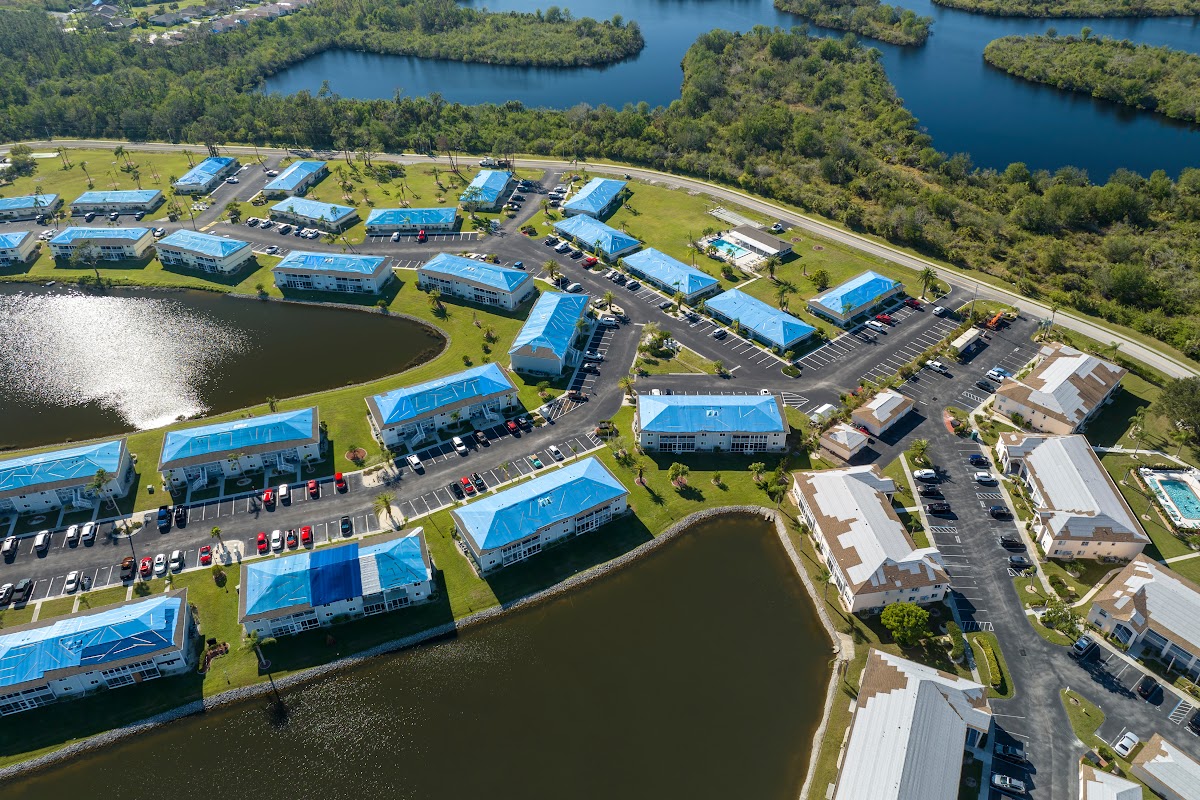
Condominium insurance claims can quickly become complex when multiple policies, property owners, and responsibilities are involved.
In most cases, responsibility is divided between:
The HOA’s master policy typically covers:
The unit owner’s policy may cover:
In many claims—especially water or fire damage—both policies may be triggered, which can lead to disputes over responsibility.
Understanding who pays is critical, because misclassification of damages can result in delays, partial payments, or denied portions of the claim.
Not all condominium master policies are the same. The level of coverage depends on how the policy is structured.
The three most common types include:
Covers only the basic structure:
Unit owners are responsible for everything inside their unit.
Covers:
However, upgrades or improvements made by the unit owner may not be included.
The most comprehensive option, covering:
Even with broader coverage, there can still be limitations, exclusions, and deductibles that affect recovery.
Because of these variations, it is essential to review both the master policy and the HO6 policy together to determine the full scope of coverage.
Condominium insurance claims can vary significantly depending on whether the claim is filed by the homeowners association (HOA) or an individual unit owner. Understanding this distinction is critical in any condominium insurance claim, as it directly impacts coverage, responsibility, and the final settlement.
The most common type of condo claim.
Often caused by:
Water losses frequently impact multiple units, creating overlapping claims and disputes.
Fire claims can involve:
These claims often require extensive documentation and coordination between parties.
Storm-related losses may affect:
These claims can be large in scale and may involve code upgrades or ordinance requirements.
Condominium claims are rarely straightforward.
Unlike single-family properties, condo claims often involve:
Common challenges include:
As a result, claims can take longer to resolve and may require detailed documentation and negotiation to reach a fair outcome.
Understanding the condominium insurance claim process from initial damage to final settlement helps property owners and associations avoid delays and underpayment.
For smaller, simple claims, property owners or associations may be able to manage the process internally.
However, in larger or more complex losses, professional representation can make a significant difference.
You should consider hiring a public adjuster when:
A public adjuster represents the policyholder and works to:
Learn more about when to hire a public adjuster and how representation impacts large-loss claims.
☑ For HOA and condo claims exceeding $250,000, ICRS offers contingency-based public adjusting (no recovery, no fee).
☑ For smaller claims under $250,000, our ClaimNavigator service delivers affordable expert support for just $250
Maximizing a condominium insurance claim requires more than simply filing paperwork.
It involves a structured approach that includes:
All damages must be properly identified, measured, and supported with detailed records.
Incomplete or underestimated scopes are one of the most common reasons claims are underpaid.
Supporting the claim with comparable estimates helps establish fair market value and strengthens negotiation.
Ongoing communication, follow-up, and coordination are necessary to prevent delays and keep the claim moving forward.
The objective is not conflict—it is achieving a fair and prompt settlement without unnecessary litigation, based on the full extent of covered damages.
Condominium claims can differ significantly depending on whether the claim is being filed by:
When an HOA files a condominium insurance claim, it typically involves:
These claims are often more complex due to the size of the loss and the number of stakeholders involved. HOA claims may also include coverage considerations such as shared infrastructure, code upgrades, and loss affecting multiple units.
When a unit owner files a condominium insurance claim, it typically involves:
However, even smaller unit-level claims can become complicated when they overlap with HOA coverage, especially in situations involving water damage, fire, or shared systems.
Understanding the distinction between these roles is essential to ensure the claim is properly filed, documented, and resolved.
One of the most common issues in a condominium insurance claim is determining which policy applies to specific damages.
Disputes can arise when:
If these distinctions are not clearly understood and documented, claims may be delayed, underpaid, or partially denied.
In complex situations, especially large-loss claims, understanding when to hire a public adjuster can help ensure all damages are properly evaluated and fairly presented.
Insurance Claim Recovery Support (ICRS) assists property owners and associations with complex condominium insurance claims.
For smaller claims, ICRS offers ClaimNavigator, a guided consulting service available for a nominal flat fee with a 100% satisfaction guarantee.
You should consider hiring a public adjuster when your condominium insurance claim is large, complex, delayed, or underpaid. Claims involving multiple units, structural damage, or coverage disputes often require professional representation.
Responsibility depends on the type of damage and the policies involved. The HOA’s master policy typically covers shared structures, while the unit owner’s HO6 policy covers interior finishes and personal property.
A master policy covers the building and shared elements, while an HO6 policy covers the interior of a unit and personal belongings.
Yes. Condo claims often involve multiple policies, shared property, and disputes between associations and unit owners, which can lead to delays and underpayments.
A public adjuster helps ensure all damages are properly documented and supported with comparable estimates, which can lead to a more complete and accurate claim evaluation.
Join our mailing list to get the latest updates, news and special offers delivered directly to your inbox.