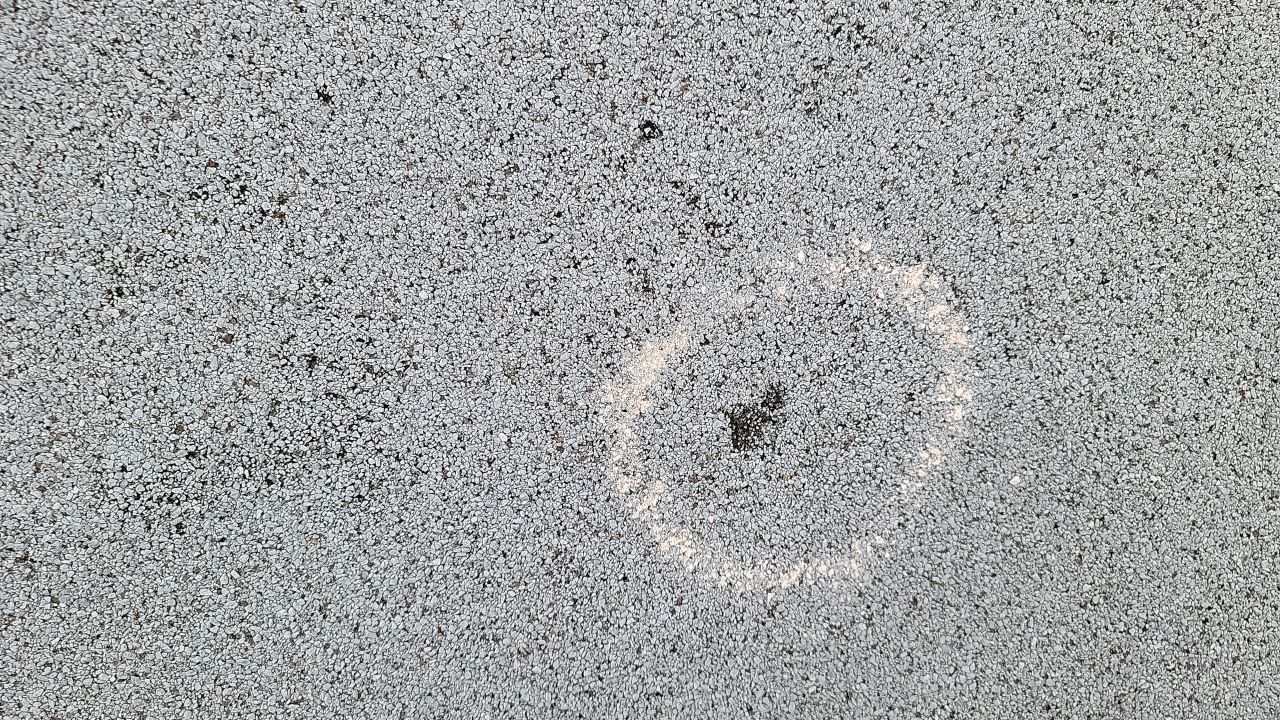
How to Manage a Commercial Hail Claim in Texas
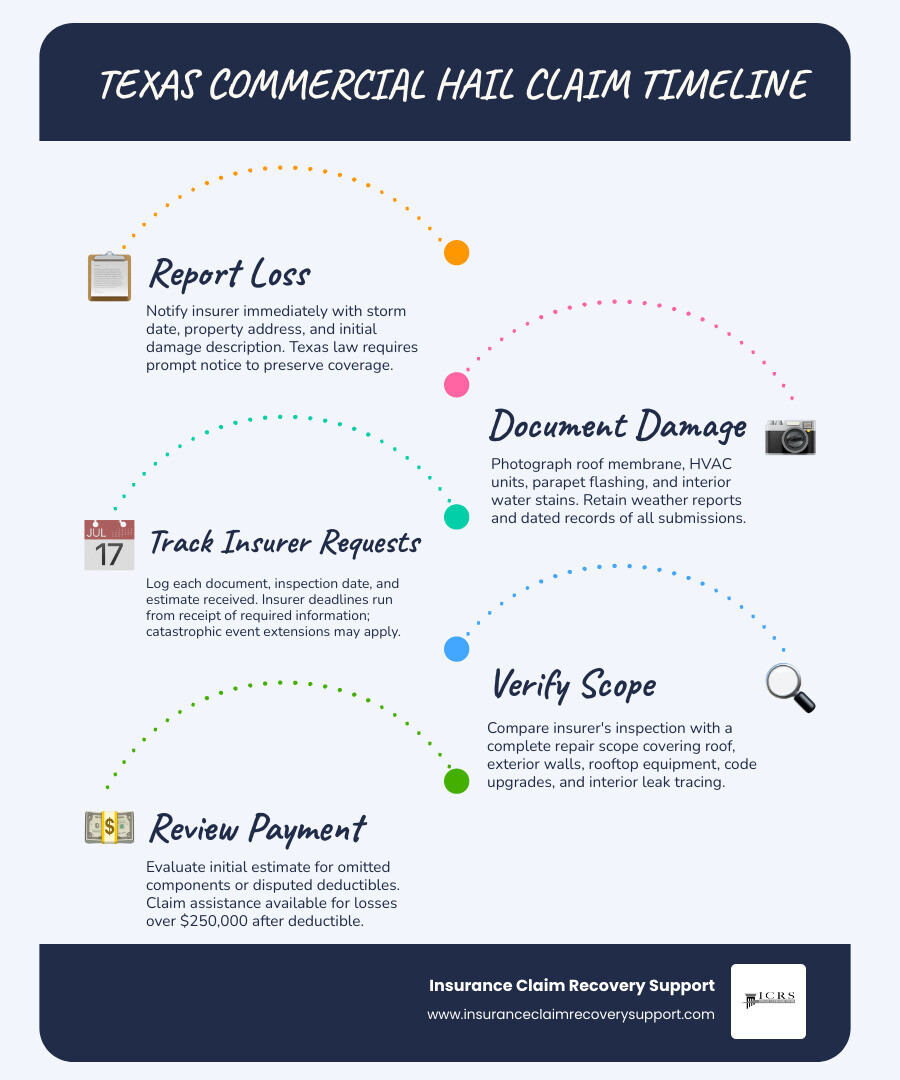
To manage a commercial hail claim in Texas, the property owner should document the storm date and damage, report the loss promptly, and compare the insurer’s inspection with a complete repair scope. That scope should account for the roof, rooftop equipment, exterior walls, and any resulting interior damage. The owner should also keep dated records of every document submitted, inspection, estimate, and payment offer.
For a large office, retail center, or multifamily property, an overlooked roof component or disputed deductible can materially change the claim. Texas claim-handling deadlines may also matter, but they depend on when the insurer receives required information and whether an exception applies. If the initial estimate appears incomplete, Insurance Claim Recovery Support can help policyholders review and document a substantial loss before settlement negotiations continue.
Commercial hail claim Texas terminology:
- Houston property damage claims
- hurricane insurance claim process
- business interruption claim
Understanding Policy Pitfalls in Texas Commercial Hail Losses
Navigating commercial property insurance claims after a major storm requires an understanding of complex policy endorsements and coverage limitations. Commercial property policies in Texas frequently contain distinct deductible structures for wind and hail events. Rather than a flat dollar amount, these policies often feature percentage deductibles tied to the total insured value (TIV) of each individual building or the entire property, significantly shifting financial exposure back to the policyholder.
Beyond deductibles, property owners must navigate the transition between actual cash value (ACV) and replacement cost value (RCV). Insurers typically apply heavy depreciation holdbacks to commercial roof assemblies, releasing withheld depreciation only after verifiable repairs or full replacements are completed within explicit policy timeframes.
Another major challenge involves restrictive endorsements, such as cosmetic metal exclusions. In areas prone to heavy weather, insurers may attempt to disallow coverage for dented or deformed architectural panels, metal roofing, or parapet caps unless the physical integrity or water-shedding capability of the component is completely compromised. Property owners must evaluate the impact of hail on metal roofing to distinguish functional damage from superficial blemishes. Furthermore, ensuring that the policy includes adequate Ordinance or Law coverage is critical to absorb building code upgrades mandated by local municipalities during extensive roof reconstructions.
Initial Assessment Pitfalls in a Commercial Hail Claim Texas
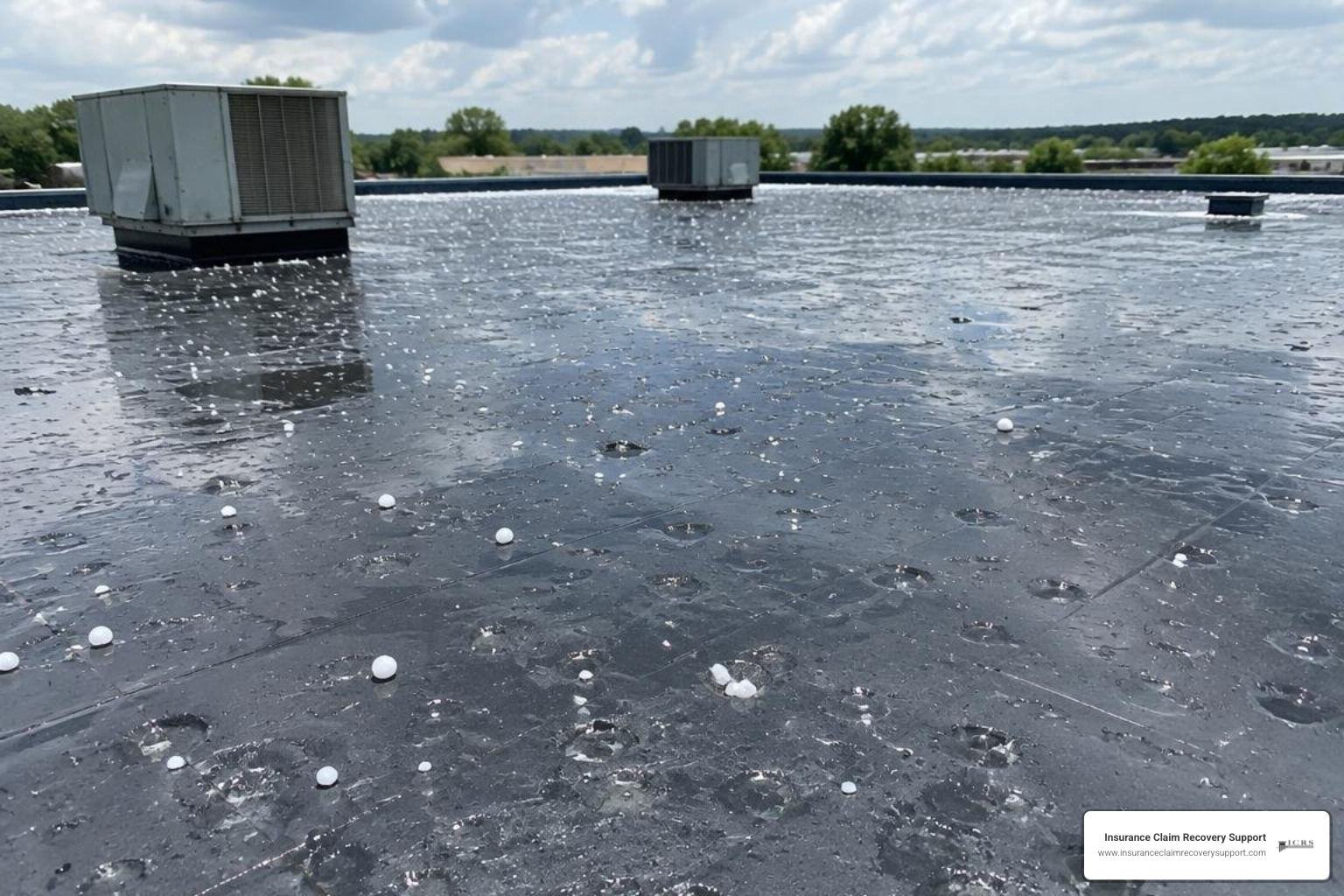
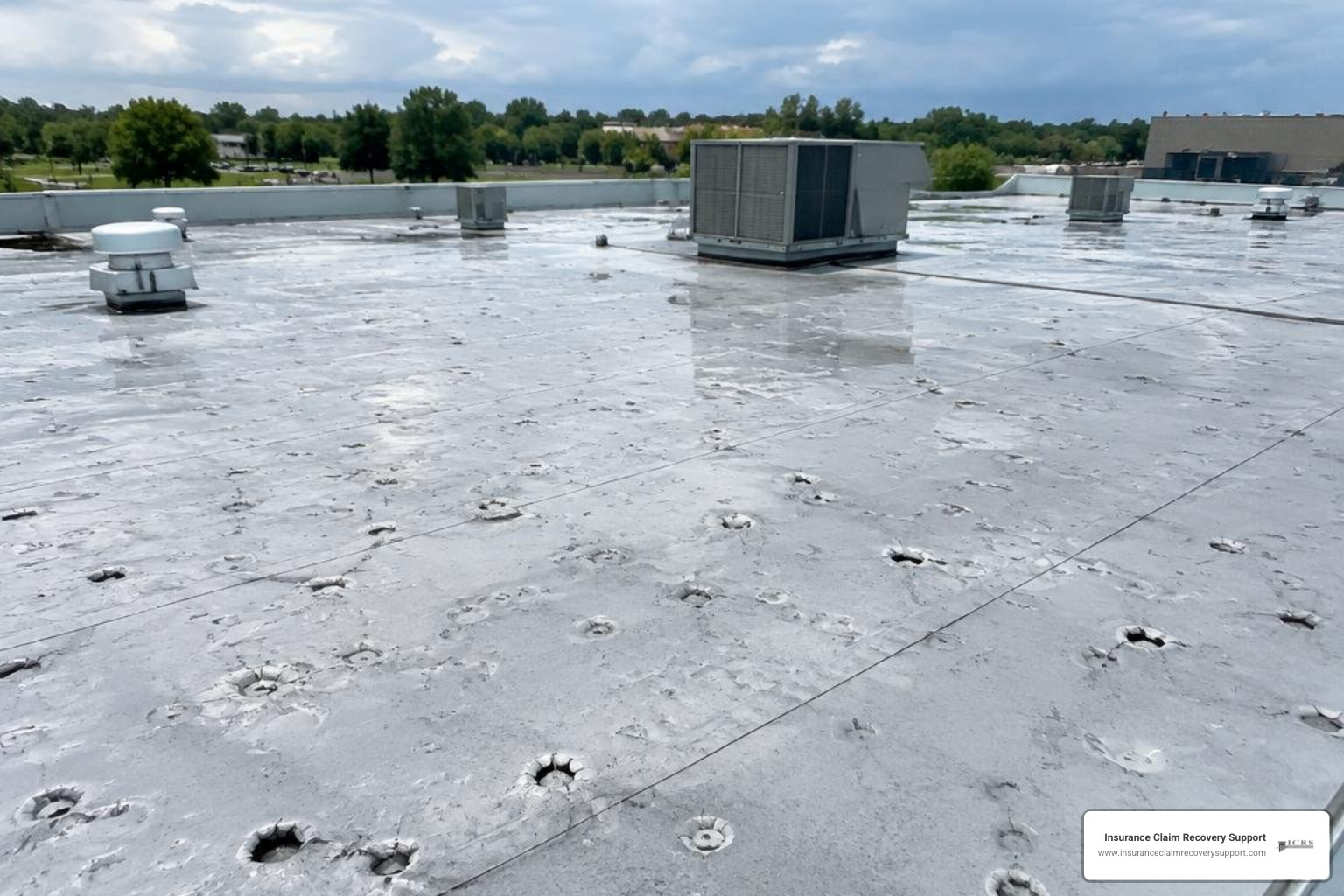
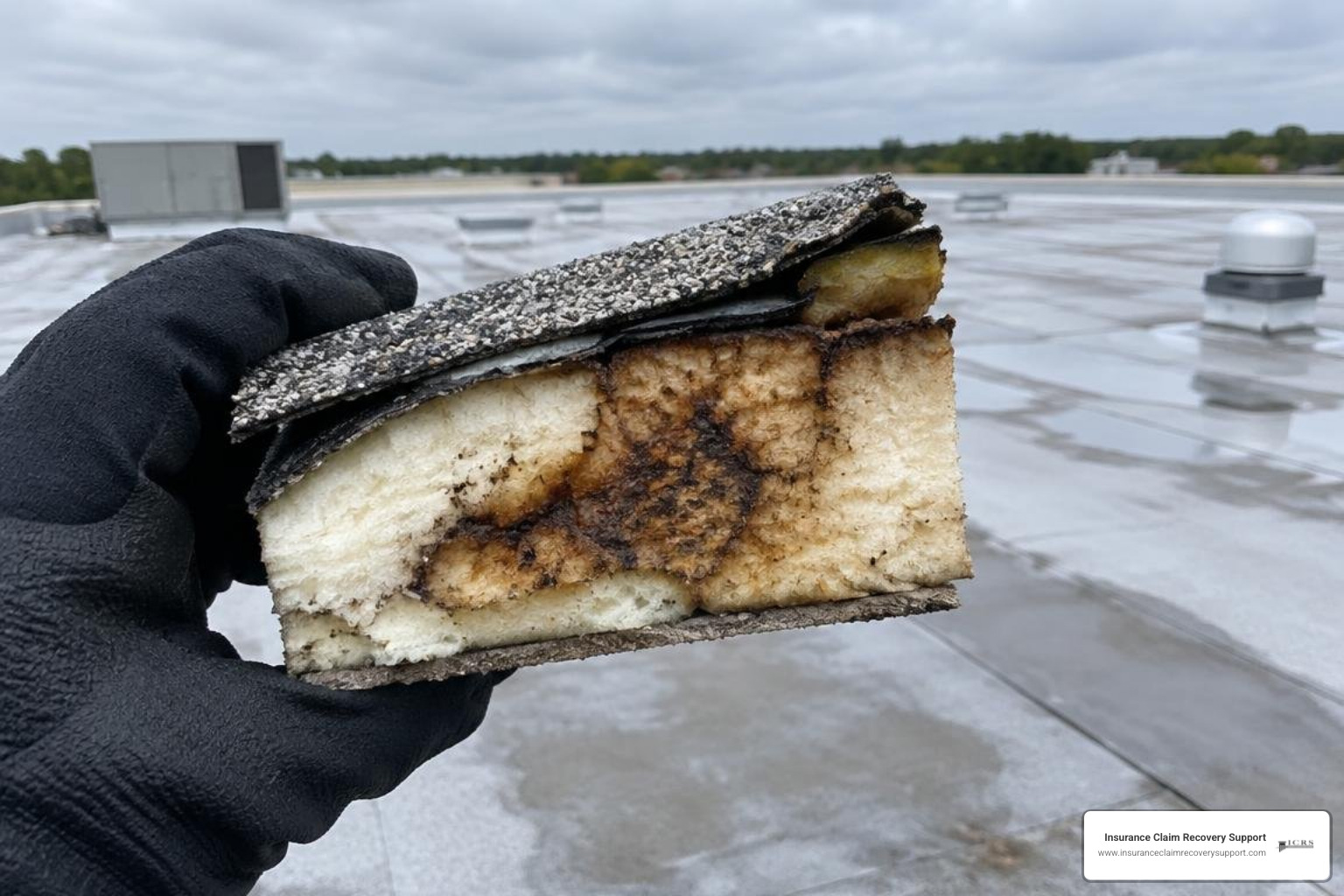
Commercial building envelopes are vulnerable to widespread systemic damage that is frequently missed during rushed initial carrier adjusters’ walkthroughs. Understanding why hail damage claims get underpaid often begins with identifying superficial inspections that overlook fractured seams, damaged insulation layers, and hail-dented HVAC condenser coils.
When hidden fractures breach the waterproof membrane, moisture travels through structural decking and insulation, causing latent degradation. Property managers dealing with leaks should establish structural roof leak protocols to track secondary water intrusion, prevent mold development, and link the interior water damage directly to the storm event.
Like Kind and Quality Standards and Code Upgrades
When a commercial roof system requires replacement, insurers are bound by policy terms to restore the property using materials of “like kind and quality.” Disputes frequently arise over whether a carrier can mandate spot repairs on an aged single-ply TPO membrane or modified bitumen system rather than executing a code-compliant full replacement.
The legal standard for material equivalence was clarified in the Texas Supreme Court ruling on repair standards in Republic Underwriters v. Mex-Tex. The court emphasized that “like kind and quality” requires comparable material, utility, and quality, holding that insurers cannot arbitrarily enforce substandard or disparate repair methods when matching assemblies are necessary. Commercial restorations must also satisfy local building codes, including continuous slope drainage mandates and minimum insulation thermal resistance (R-value) thresholds.
Step-by-Step Strategy to Navigate a Commercial Hail Claim in Texas
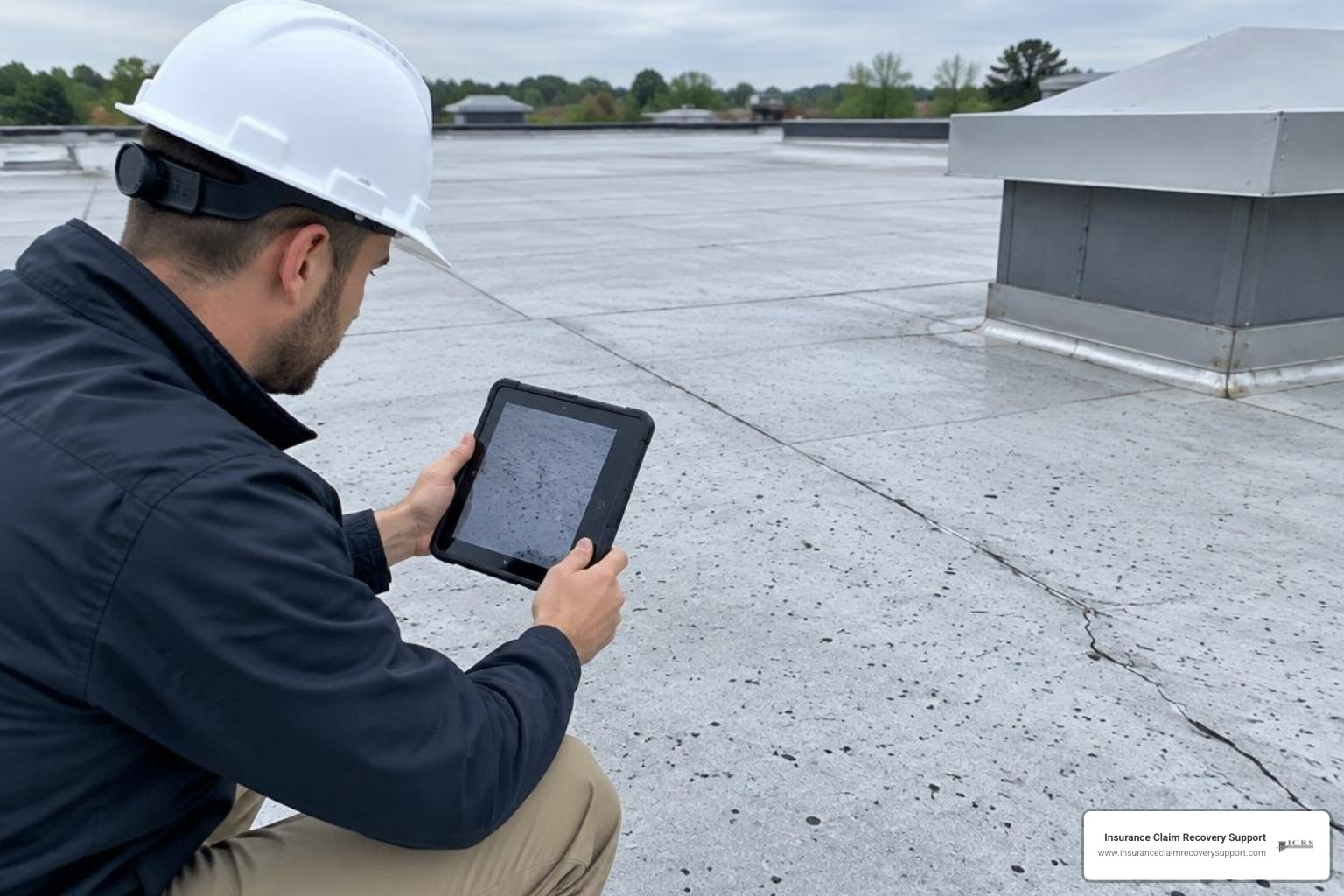
Managing complex property losses requires a systematic, evidence-based approach from the moment damage is suspected. Policyholders can follow a structured framework to protect their rights and establish claim substantiation, as detailed in this comprehensive Texas commercial claim guide.
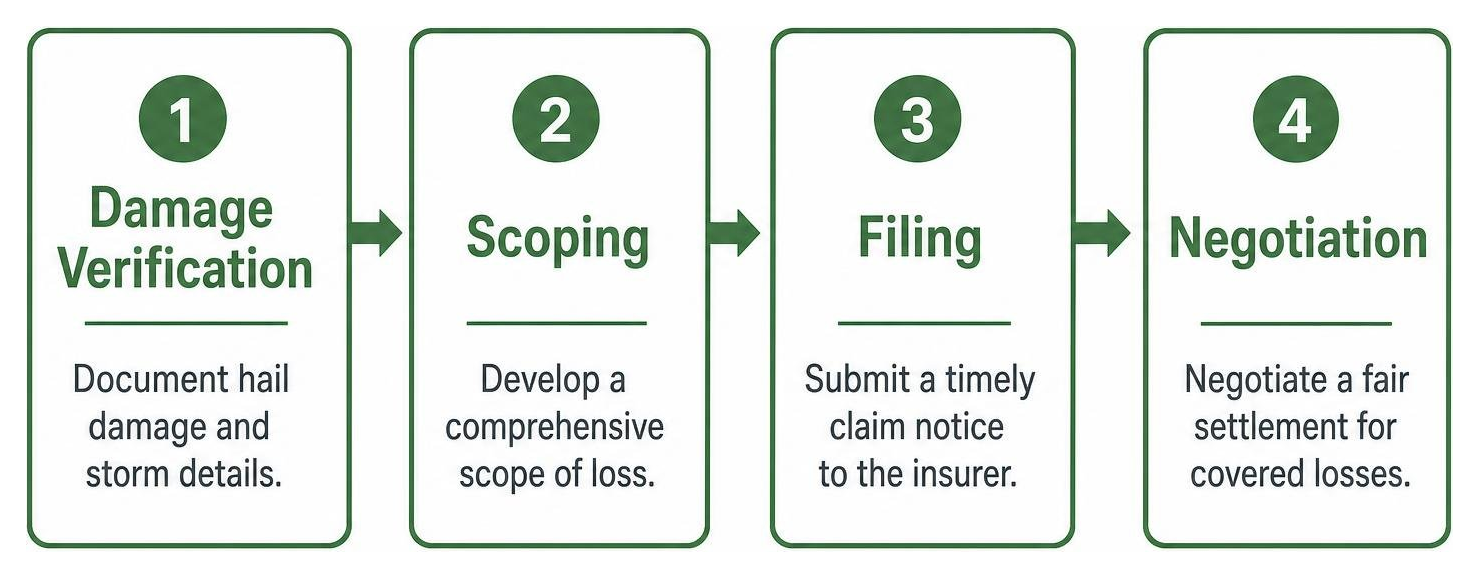
- Verify the Date of Loss and Weather Data: Document specific meteorological events using radar data, hail swath mapping, and local weather logs to prove the date and severity of the storm.
- Execute Emergency Mitigation: Take reasonable steps to prevent further damage, retaining all invoices and receipts for temporary water extraction or tarping.
- Conduct an Independent Forensic Inspection: Engage certified building envelope consultants to complete non-destructive moisture scans, core samples, and detailed photographic logging.
- Develop a Comprehensive Scope of Loss: Compile an itemized line-item estimate detailing direct physical loss, code-required upgrades, and associated equipment damages.
- Submit a Timely Claim Notice: Provide written notice to the insurer in accordance with the specific timeline and procedure stated in the policy.
- Track Insurer Communications: Keep contemporaneous logs of all adjuster visits, written requests, document submissions, and partial payment offers.
Documenting Large-Loss Building Envelope and Asset Damage
A thorough building envelope evaluation requires a rigorous assessment of all exterior assets. Commercial flat roofs, parapet wall flashing, exterior cladding, window glazing, rooftop mechanical units, and business personal property must be individually inspected and cataloged. Following a proper hail claim roof inspection process ensures that subtle fractures in single-ply membranes or granule loss on modified bitumen caps are documented before weathering obscures the impact points.
Quantifying Business Interruption and Extra Expense
Large-loss commercial claims often extend beyond physical repairs to include business operational losses. For multifamily, retail, and commercial office properties, physical property damage can directly trigger business interruption, lost tenant rental income, tenant concessions, and extra expense outlays.
To substantiate an extra expense or rental loss claim, property owners must maintain detailed pre-loss financial records, historical occupancy rates, rent rolls, tenant lease agreements, and invoices for temporary operational relocations or utility surge costs. These losses must be calculated alongside direct physical damage in the formal proof of loss submission.
Texas Prompt Payment Statutes and Delayed Claim Remedies
In Texas, claim-handling timelines and insurer obligations are governed by the Texas Prompt Payment of Claims Act (TPPCA), codified in Texas Insurance Code Chapter 542. The statute is designed to promote prompt claim resolution by establishing strict procedural deadlines:
- 15 Days to Acknowledge: The insurer must acknowledge receipt of the claim, commence an investigation, and request all necessary items, statements, and forms within 15 calendar days of receiving notice.
- 15 Days to Decide: Once the insurer receives all requested information, it generally has 15 business days to accept or reject the claim in writing (extendable by 45 calendar days upon written notice providing specific reasons for delay).
- 5 Days to Pay: After notifying the insured that a claim or part of a claim will be paid, the insurer must issue payment within 5 business days.
- Catastrophe Extensions: When the Texas Department of Insurance declares a weather event a catastrophe—such as the April 5-6, 2003 storm event—claim acknowledgment and decision deadlines are extended by an additional 15 calendar days.
For more information on these statutory protections, review Texas prompt payment statutory requirements. Failure to comply with these statutory deadlines may subject the insurer to statutory interest and reasonable attorney fees where permitted by law and supported by the facts.
Statutory Interest Accrual and Unconditional Tender Rules
A critical issue in commercial property litigation is whether a partial payment by the insurer halts the accrual of statutory interest penalties. Texas courts distinguish sharply between conditional settlement offers and unconditional tenders.
| Payment Type | Legal Definition | Impact on Statutory Interest | Policyholder Requirement |
|---|---|---|---|
| Unconditional Tender | Direct payment of undisputed amounts made without demanding a release of liability. | Reduces or tolls interest accrual on the tendered amount under the declining principal rule. | Insured may accept and deposit funds while preserving rights to dispute remaining damages. |
| Conditional Settlement Offer | Payment conditioned upon signing a full release, endorsement waiver, or final claim discharge. | Does not stop statutory interest from accruing on the full disputed claim amount. | Insured should decline conditional restrictions to avoid forfeiting remaining disputed coverage. |
Under established Texas jurisprudence, including Republic Underwriters v. Mex-Tex, statutory interest penalties apply only to the unpaid difference between the final determined loss amount and any valid unconditional partial payments made by the insurer. When applying the “declining principal” rule, tendered amounts are applied first to accrued prejudgment interest before reducing the underlying principal balance.
Bad Faith, DTPA Violations, and Extra-Contractual Exposure
For Texas commercial and multifamily policyholders, delayed claim resolution and scope disputes should be assessed using the policy, claim file, inspection evidence, and applicable Texas law.
When an insurer fails to conduct a reasonable investigation or misrepresents policy provisions on a commercial or multifamily asset, policyholders may assert extra-contractual causes of action under Chapter 541 of the Texas Insurance Code and the Texas Deceptive Trade Practices Act (DTPA). Policyholders must present objective evidence demonstrating that the insurer knew or should have known that liability was reasonably clear yet refused or delayed payment. Such evidence may include proof of outcome-oriented engineering assignments, ignored building envelope documentation, or biased inspection protocols. Under Texas law, recovering extra-contractual or exemplary damages requires establishing an independent injury that results from the insurer’s bad-faith conduct rather than mere non-payment of policy benefits.
The Role of Policy Appraisal in Commercial Hail Disputes
Most commercial property policies contain an appraisal clause designed to resolve disputes over the financial valuation of covered loss. Either party may invoke appraisal, which calls for two independent appraisers and an agreed-upon neutral umpire to issue a binding loss award.
The legal effect of an appraisal award was examined in Barbara Techs. Corp. v. State Farm Lloyds, where the appraisal panel set the commercial hail loss at $195,345.63—far exceeding the insurer’s initial estimate of $3,153.57. When an insurer fully and timely pays a binding appraisal award, it typically precludes the policyholder from prevailing on a common-law breach of contract claim. Policyholders evaluating an appraisal demand often seek expert representation from a public insurance adjuster in Texas to ensure accurate valuation of complex building assemblies.
Overcoming Severe Underpayment in Your Commercial Hail Claim Texas
Severe initial underpayments are a frequent hurdle in commercial property insurance claims. In Steven Biasatti and Paul Gross D/B/A TopDog Properties v. GuideOne National Insurance Company, the insurer’s initial estimate for a commercial hail loss was $1,896.88—an amount below the property’s $5,000 deductible. Following invocation of the policy appraisal clause, the appraisal panel set the loss at $168,808, resulting in a net recovery of $146,927.20 after deductible and depreciation deductions.
When initial estimates severely undervalue storm damage, documenting hidden membrane fractures, structural roof decking shifts, and code-mandated updates provides the objective basis required to overturn an improper claim determination through appraisal or supplemental negotiations.
When to Engage Commercial Property Public Insurance Adjusters
Navigating large, complex building losses requires specialized expertise in construction forensics, estimating software, and insurance policy language. Commercial building owners, asset managers, and multifamily portfolio operators benefit from engaging professional commercial property public insurance adjusters early in the claim lifecycle.
Licensed public adjusters represent the policyholder exclusively—not the insurance company. They develop exhaustive repair scopes, calculate business interruption impacts, substantiate hidden structural losses, and lead technical negotiations to achieve fair claim resolutions.
Frequently Asked Questions About Texas Commercial Hail Claims
Does an insurer’s timely payment of an appraisal award eliminate statutory prompt payment penalties?
Under Texas legal precedent, an insurer’s full and timely payment of a binding appraisal award generally satisfies its contractual obligations and may bar breach of contract claims. However, whether prompt payment penalties under Chapter 542 are eliminated depends on the timeline of the initial claim processing, the specific dates of denial or underpayment, and whether liability was established prior to invoking appraisal.
How does an unconditional tender affect interest calculations on delayed commercial claims?
An unconditional tender is a partial payment made by an insurer without requiring a full liability release. Under Texas law, valid unconditional tenders halt the accrual of statutory delay penalties on that portion of the claim. If a higher loss amount is later determined, any applicable statutory interest is calculated only on the remaining unpaid balance under the declining principal framework.
What evidence may be relevant to evaluating whether an insurer’s hail investigation was reasonable?
Evaluating the reasonableness of an insurer’s investigation involves reviewing original adjuster field logs, testing procedures, non-destructive moisture scans, core samples, and engineering reports. Evidence showing that an insurer omitted visible building envelope fractures, failed to review municipal building code upgrade mandates, or relied on cursory inspections can be vital in demonstrating an inadequate investigation.
Conclusion
Managing large-scale commercial property damage claims across Texas requires careful documentation, an understanding of policy deductibles, and strict adherence to statutory timelines. Commercial property owners, multifamily operators, and asset managers who establish an evidence-based repair scope are best positioned to resolve delayed or underpaid claims.
Insurance Claim Recovery Support provides dedicated, large-loss representation for qualifying commercial, multifamily, high-value homes, and institutional claims of $250,000 or more after the deductible. For claims under $250,000, policyholders can access Claim Navigator for paid strategic guidance, with the option for full representation when appropriate. To evaluate an underpaid, delayed, or disputed property claim, schedule a commercial property claim review with our experienced adjusting team.