What to Do After a Denied Property Claim in San Angelo
After a denied claim in San Angelo, commercial and multifamily property owners should save the denial letter, review the policy language the insurer cites, and document the damage before repairs obscure it. They should request a written explanation for any unclear decision, preserve inspection photos and repair estimates, and check the deadlines in their policy and denial notice for disputing the decision.
A denial is not necessarily the end of a substantial property claim. If the insurer attributes storm damage to wear and tear or excludes part of a loss, a documented review of the damage and repair scope can help the owner assess whether to challenge its findings. Coverage and next steps depend on the policy and the facts.
Why Insurers Issue a Denied Claim in San Angelo on Commercial and Property Losses
When commercial building owners, apartment operators, or multifamily property managers file major property claims across West Texas, insurers frequently respond with partial payments, coverage disputes, or total denials. Understanding why insurance companies delay deny and dispute claims on purpose often comes down to institutional claim practices where systemic underpayment is treated as a routine cost of doing business, combined with policy exclusions, legal doctrines of concurrent causation, and strict interpretations of policyholder duties.
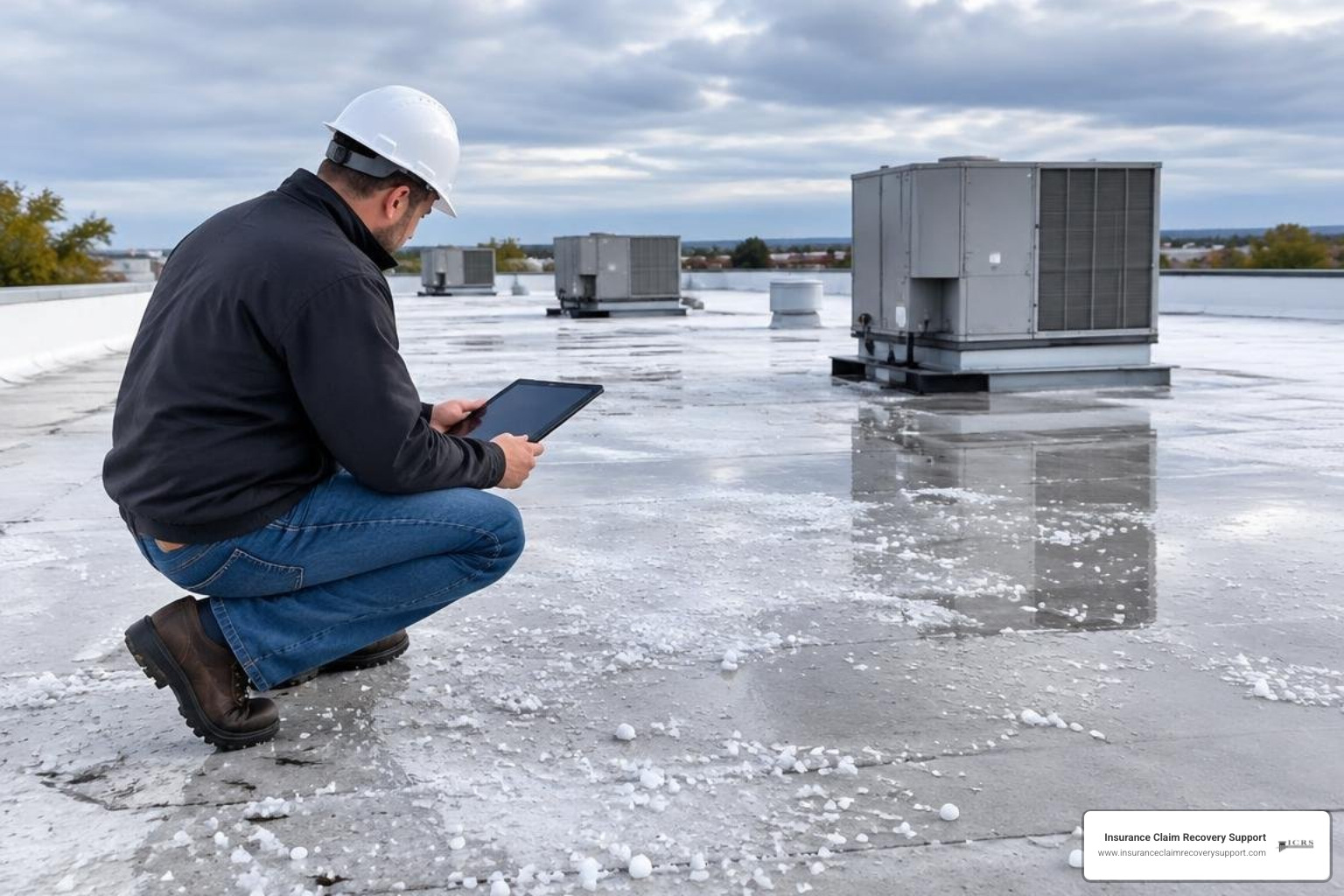
In West Texas, intense severe weather—from hailstorms to high straight-line winds and freezing temperatures—regularly impacts building envelopes. Carriers often evaluate these events through restrictive lenses. For instance, according to guidance from the Texas Department of Insurance on Why would my home insurance claim be denied or not paid?, claims are frequently rejected when insurers classify roof compromise as historical deterioration rather than sudden, accidental peril impact.
Distinguishing Exclusions, Lack of Maintenance, and Pre-Existing Damage
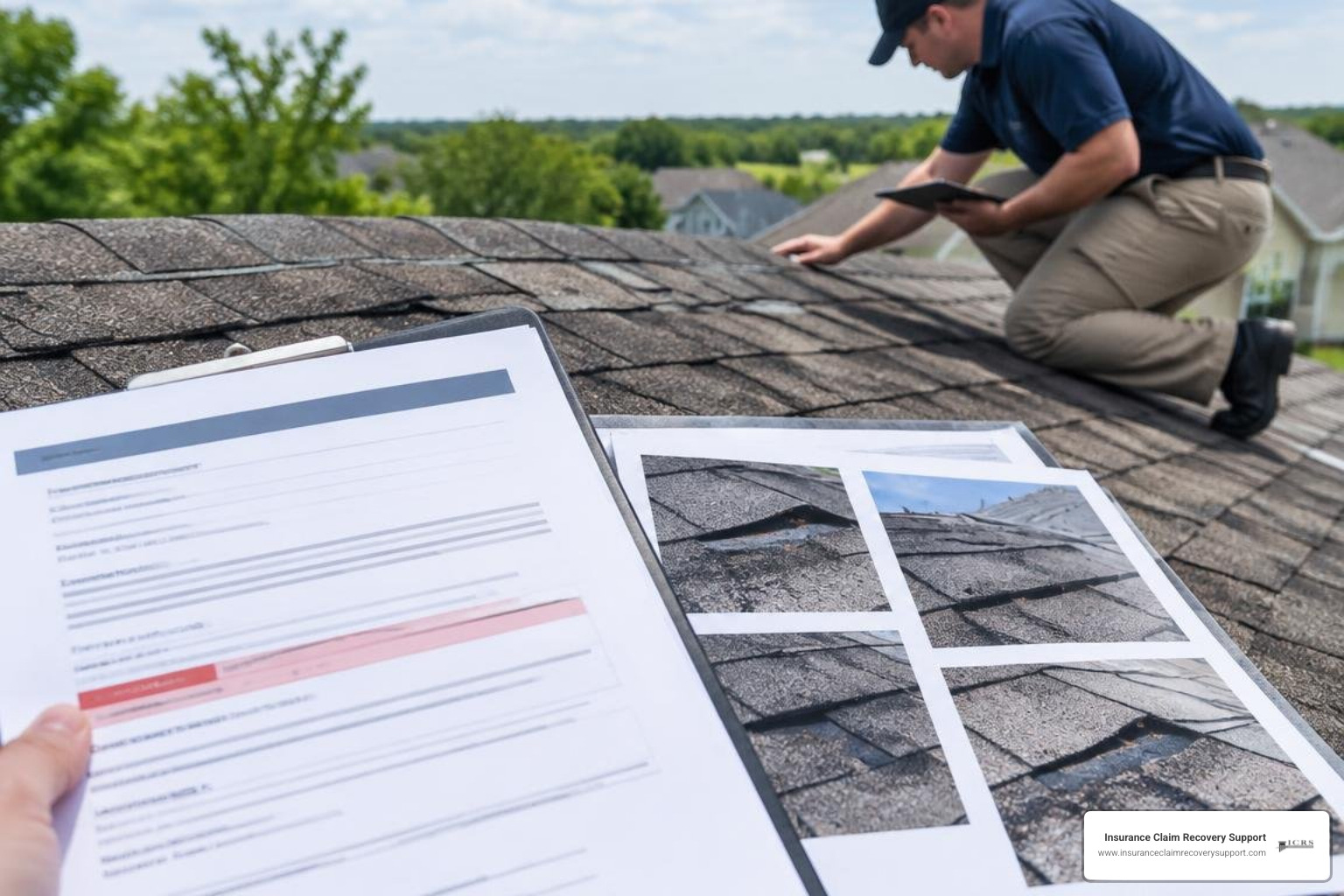
A primary challenge in commercial property disputes is untangling covered peril damage from exclusions such as wear and tear or manufacturing defects. In commercial low-slope and flat roof assemblies, carriers routinely send field adjusters or preferred engineers to argue that punctures, seam failures, or membrane displacement result from deferred maintenance rather than storm forces.
| Policy Defense / Clause | Insurer’s Position | Impact on Policyholder Recovery |
|---|---|---|
| Wear and Tear Exclusion | Damage is due to age, weathering, and thermal cycling rather than a single storm event. | Denial of full roof replacement; insurer offers only localized patch repairs or rejects the claim entirely. |
| Cosmetic Damage Endorsement | Hail dented metal panels or mechanical fins but did not cause structural leakage. | Insurer pays nothing for surface impact, leaving building owners with uncompensated functional risks. |
| Concurrent Causation Doctrine | A covered storm peril and an excluded peril (e.g., ground movement, aging) acted together. | Policyholder bears the legal burden of segregating covered losses from non-covered losses. |
| Failure to Mitigate | Water intrusion worsened because the policyholder delayed temporary tarps or drying. | Denial or reduction of consequential interior and structural framing recovery. |
Commercial and Multifamily Property Denial Pitfalls
Large commercial facilities, retail strip centers, industrial assets, and multifamily complexes face unique claim denial hurdles. When resolving a denied insurance claim for fire damage to commercial property or severe storm destruction, carriers may challenge:
- Business Interruption and Rental Loss: Demanding extensive historical accounting records, tenant lease logs, and proof of utility interruption before validating income replacement.
- Code Upgrades and Ordinance Coverage: Resisting required modern building code compliance costs unless the policyholder holds explicit Ordinance or Law endorsements.
- Building Envelope Integrity: Disputing that moisture intrusion originated from wind-created openings versus masonry or fenestration age. For comprehensive resources on managing water intrusion losses, property owners can consult the Water Claim Guide.
Legal Precedents and Challenges in West Texas Claim Disputes
Proving liability, contract compliance, and bad faith in Texas requires detailed evidence and adherence to strict statutory frameworks. In a disputed commercial property claim, the policy, claim timeline, inspection records, correspondence, and repair documentation can shape how coverage and compliance issues are evaluated.
Documentation and Contract Compliance in Property Claim Disputes
For a commercial or multifamily property claim, complete documentation helps the owner respond to the specific reason given in the denial letter. Relevant records can include the policy and endorsements, dated inspection reports, photographs, repair estimates, invoices for temporary protective work, and written communications with the insurer. Keeping these materials organized can help distinguish the claimed storm-related damage from conditions the insurer attributes to maintenance, age, or an excluded cause.
The policyholder should also compare the insurer’s stated basis for denial with the policy language and the evidence gathered after the loss. Where damage scope, cause, or pricing is disputed, independent inspections and a detailed repair scope may clarify the issues that need to be addressed.
For this type of property loss, the practical question is whether the available records support the coverage position under the policy. Owners can preserve photographs and videos before permanent repairs begin, retain invoices and estimates, document reasonable mitigation steps, and request clarification when the insurer’s explanation does not identify the evidence or policy provision being applied.
A coverage dispute does not establish bad faith on its own. The policy terms, damage evidence, claim handling record, and circumstances of the loss determine the appropriate next steps. Focusing on those claim-specific materials keeps a review of a denied claim relevant to the San Angelo commercial and multifamily property audience.
Evaluating Bad Faith and Statutory Remedies for a Denied Claim in San Angelo
When an insurance carrier unlawfully denies or undervalues a legitimate commercial loss, Texas policyholders have statutory recourse under the Texas Insurance Code and the Texas Deceptive Trade Practices Act (DTPA).
Under Texas Insurance Code Chapter 541, policyholders can pursue remedies for unfair claim settlement practices, such as misrepresenting policy provisions or failing to attempt in good faith to effectuate a prompt, fair, and equitable settlement. Furthermore, Texas Insurance Code Chapter 542 sets enforceable statutory deadlines for carriers to acknowledge claims, commence investigations, request information, and accept or reject claims.
Understanding the legal standards governing texas bad faith and the strict 14 deadlines imposed by the Texas Prompt Payment of Claims Act helps commercial property owners identify when an insurer has crossed the line from a thorough investigation into actionable bad faith.
How to Challenge and Overturn a Property Claim Denial
Overturning an insurance claim rejection requires moving beyond informal telephone arguments to build an undeniable, forensic claim package.
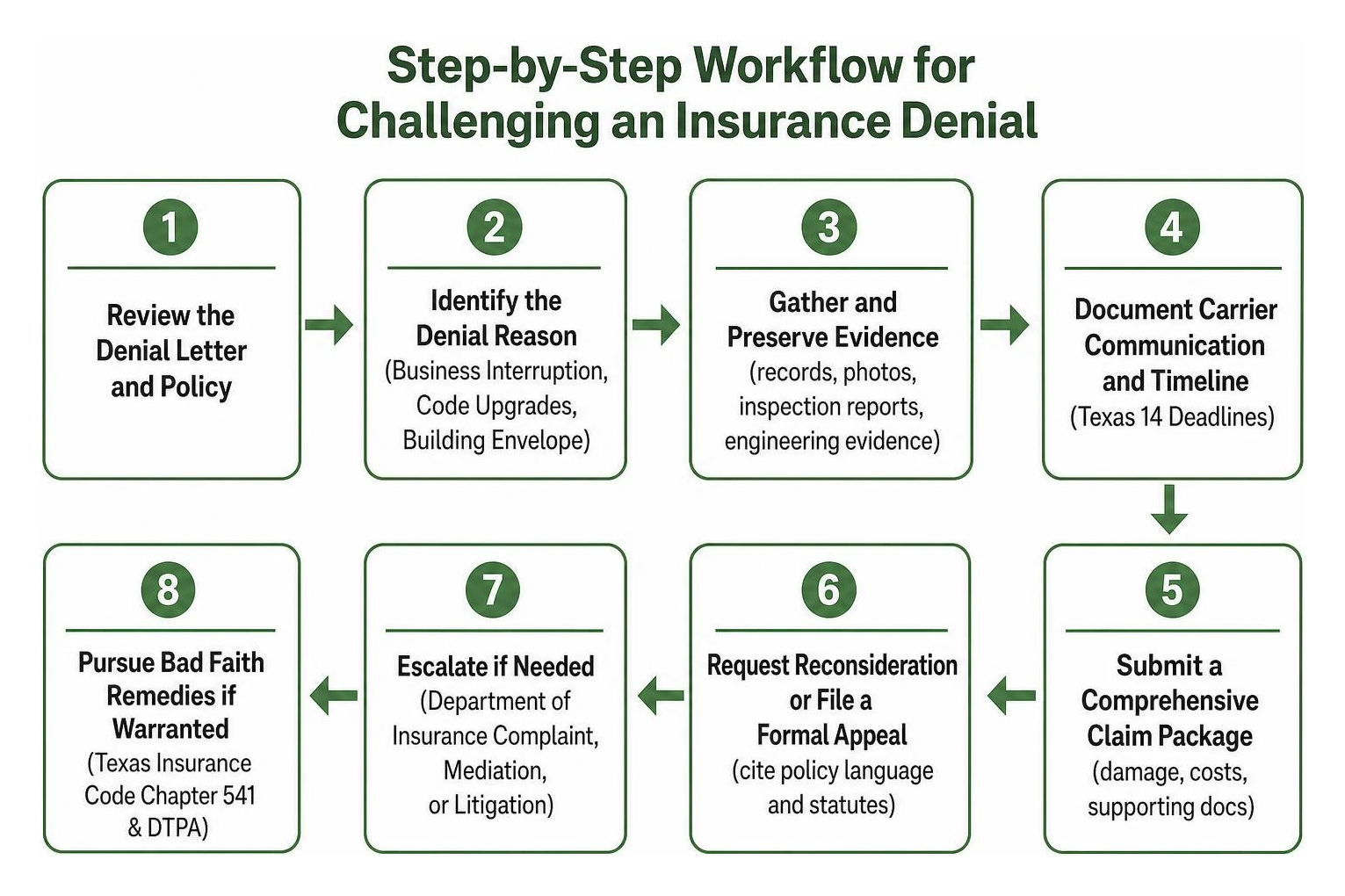
To successfully establish how to file a property insurance claim and actually get paid, policyholders must independently document structural damage, quantify repair costs using industry-standard pricing databases, and supply objective engineering evidence.
Immediate Steps to Take After Receiving a Denied Claim in San Angelo
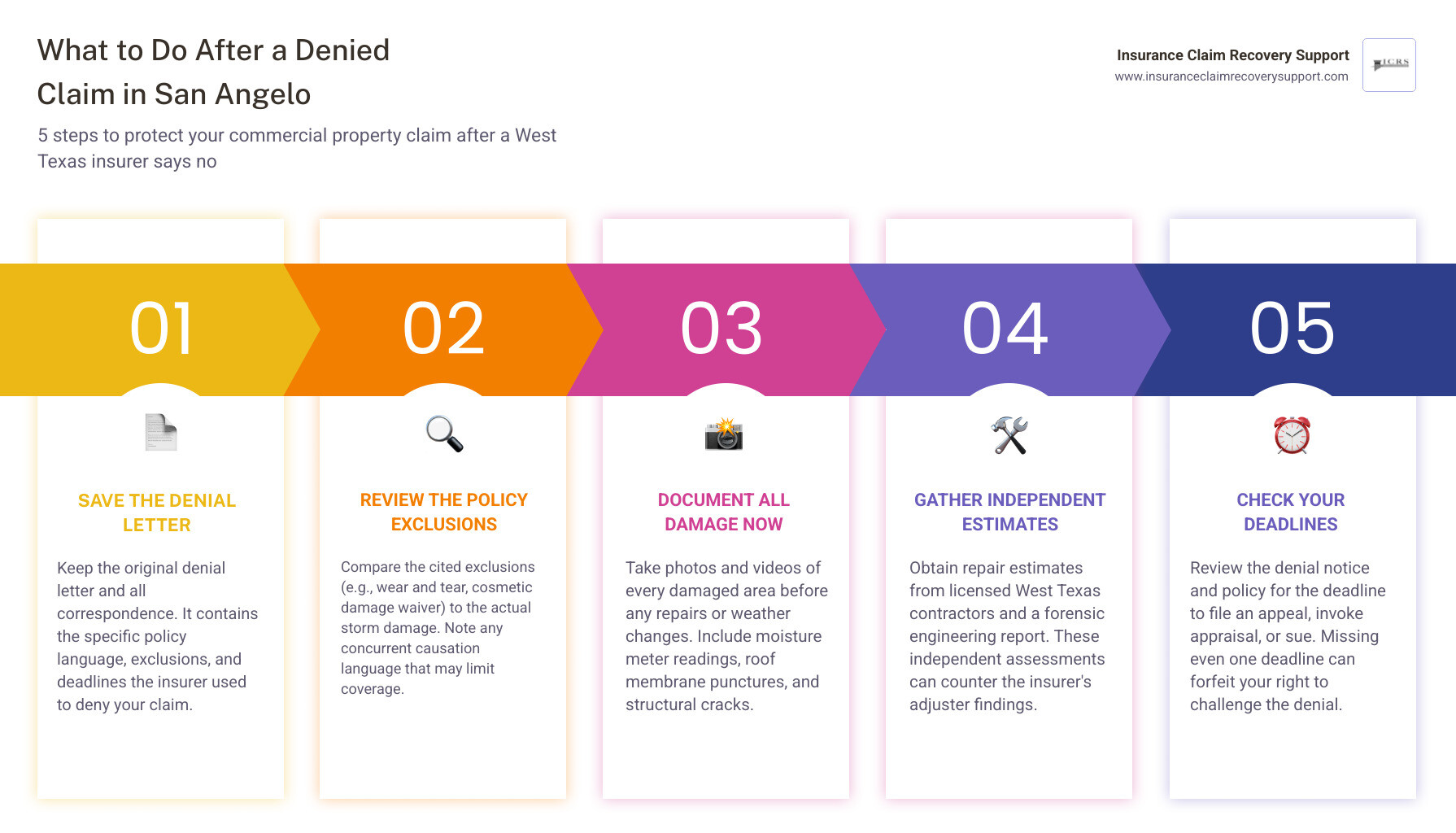
Following a claim denial, commercial and multifamily property owners must act swiftly to preserve rights and maintain evidence:
- Request the Complete Written Denial Letter: Ensure the insurer cites the exact policy exclusions, conditions, or endorsements relied upon for the denial.
- Secure the Certified Policy Copy: Obtain the full policy in effect on the date of loss, including all declarations, forms, and endorsements.
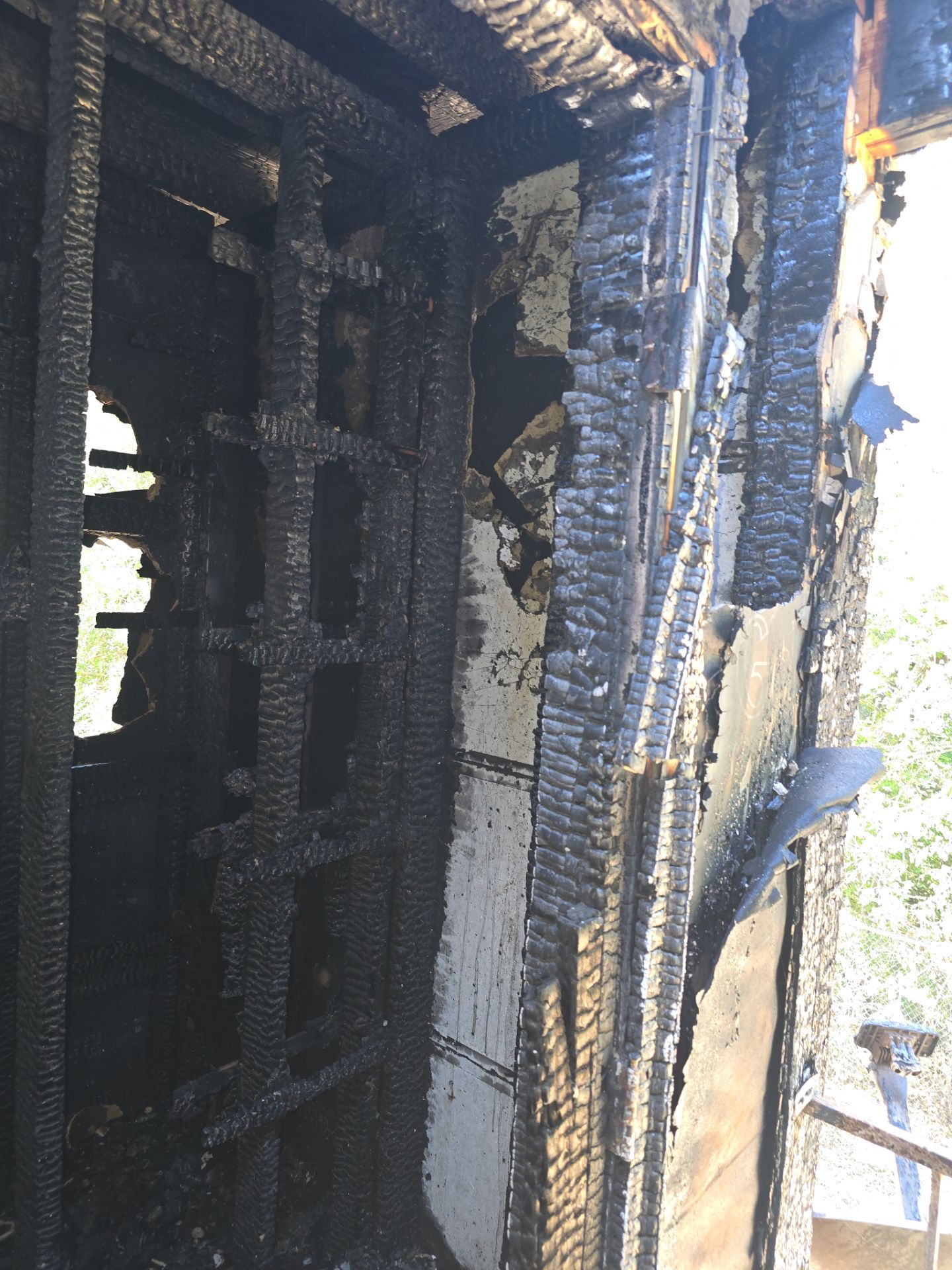
- Preserve Physical Evidence and Mitigate: Take detailed photographs and videos of all damaged roof membranes, structural elements, and interiors. Take reasonable steps to mitigate further water or structural intrusion while keeping receipts.
- Review the Insurer’s Conduct: Consult a bad faith property damage insurance claims guide to determine if the carrier conducted a biased or inadequate investigation.
Engaging a Public Adjuster for a Denied Claim
For commercial property, apartment complexes, HOAs, and multifamily portfolios facing major losses, handling a complex claim alone can leave substantial damages unquantified. When a qualifying loss of $250,000 or more is disputed, finding an experienced public adjuster near me provides policyholders with dedicated, licensed advocacy.
Licensed public adjusters perform forensic building-envelope evaluations, identify missed damages, prepare detailed line-item scopes, and lead negotiations with insurer representatives. When policy terms permit, a public adjuster can also assist in guiding the claim into the contractual appraisal process to resolve pricing disputes.
Frequently Asked Questions About Denied Claims in Texas
What statutory deadlines must Texas insurers follow during claim investigations?
Under Texas Insurance Code Chapter 542, an insurer must acknowledge receipt of a claim, commence an investigation, and request all required items from the policyholder within 15 days (or 30 days for eligible surplus lines insurers). Once all requested information is provided, the insurer generally has 15 business days to accept or reject the claim in writing, extendable by up to 45 additional days if they state a legitimate reason for the delay.
Can an insurer deny a commercial roof claim by citing wear and tear in San Angelo?
Yes, insurers frequently cite wear and tear, age, or deferred maintenance to deny commercial roof claims. However, the carrier bears the burden of establishing that an exclusion applies. If severe wind, hail, or debris physically damaged the assembly during the policy period, policyholders can counter by securing independent engineering evaluations and certified weather records showing the specific date of loss.
When should a policyholder invoke appraisal following an insurance denial?
The contractual appraisal process is designed to resolve disputes regarding the amount of loss or pricing, rather than pure disputes over coverage or policy interpretation. If the insurer admits that a storm caused damage but undervalues the scope of repair or materials required, invoking appraisal can be an effective way to establish the proper loss valuation before a panel of competent appraisers and an umpire.
Conclusion
Managing a denied property claim requires an organized approach, thorough technical evidence, and an understanding of policyholder rights under Texas law. Commercial building operators, apartment investors, and multifamily property managers must ensure every point of building-envelope compromise, code requirement, and operational disruption is properly quantified.
For commercial and multifamily properties with qualifying large losses of $250,000 or greater after the deductible, Insurance Claim Recovery Support LLC provides policyholders with documented claim reviews, comprehensive damage scoping, and dedicated negotiation. Property owners facing delayed, underpaid, or denied claims can seek professional property claim assistance to protect their real estate investments and pursue the settlement you deserve.