Residential Property Claims: Start Fast, Document Everything, Protect Your Settlement
When property damage happens, take these steps immediately: ✅ protect people from danger, stop or limit additional damage, photograph and video everything, save emergency-repair receipts, and report the loss to your insurer promptly. For complex commercial assets and multifamily residential property claims across apartment complexes, condominium HOAs, historical properties, retail centers, office buildings, industrial facilities, and religious institutions, do not discard damaged materials or accept a final settlement until you understand the insurer’s scope of damage, deductible, depreciation, and policy limits.
The Real Problem
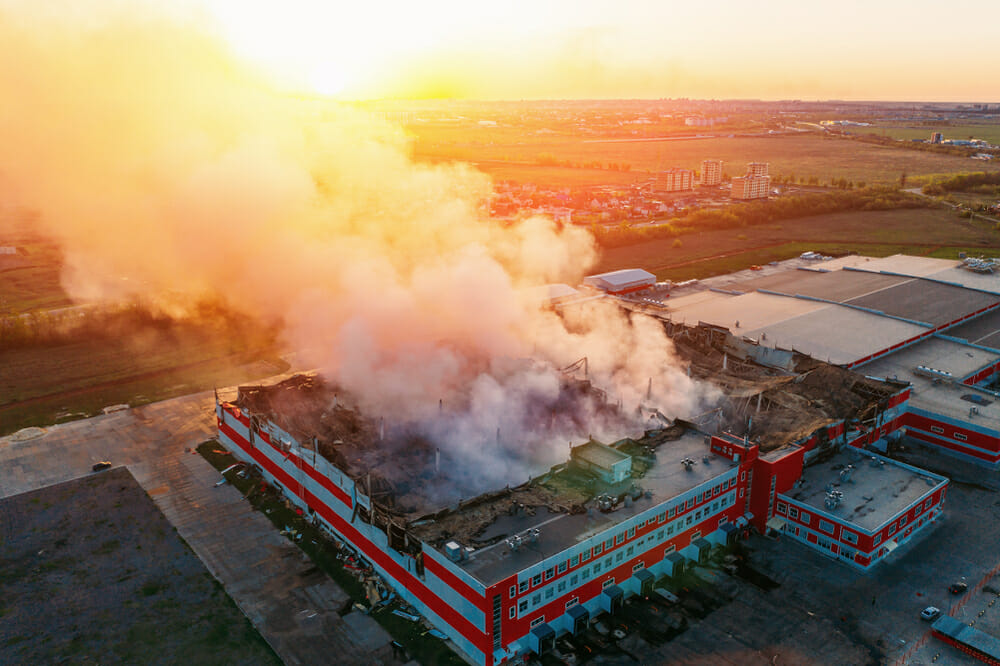
A claim can move quickly without being complete. Catastrophic wind, hail, and freeze events regularly cause severe losses across commercial facilities, multifamily communities, religious institutions, and historical structures; both weather and non-weather water perils involve complex damage that is not obvious during an initial inspection.
Translation: A fast estimate is not necessarily a full settlement. Hidden moisture, damaged underlayment, code-required repairs, and depreciation can materially change what the policy should indemnify.
What Real Accountability Should Look Like
Ask for the insurer’s written estimate and compare it with detailed, line-item repair bids from qualified commercial contractors. If damage is overlooked, the offer is too low, or coverage is denied, request the policy basis in writing, submit supporting evidence, and escalate through the claims manager, state insurance department, appraisal, or qualified policyholder representation when appropriate. ⚖️
Why This Matters
Commercial, industrial, office, retail, religious, and multifamily residential property portfolios represent substantial capital investments, yet property managers and board directors frequently face severe underpayment due to incomplete initial carrier scoping. Strong documentation gives you a clearer record of what was damaged, what it will take to repair or replace it, and whether the settlement reflects the coverage you purchased.
Scott Friedson is a multi-state licensed public adjuster and CEO of Insurance Claim Recovery Support, with more than 15 years of experience handling large, complex property losses. Across more than 500 claims, his work with residential property claims on multifamily portfolios, historical landmarks, and other major commercial losses has focused on identifying missed damage, challenging improper denials, and pursuing policy-supported settlements.
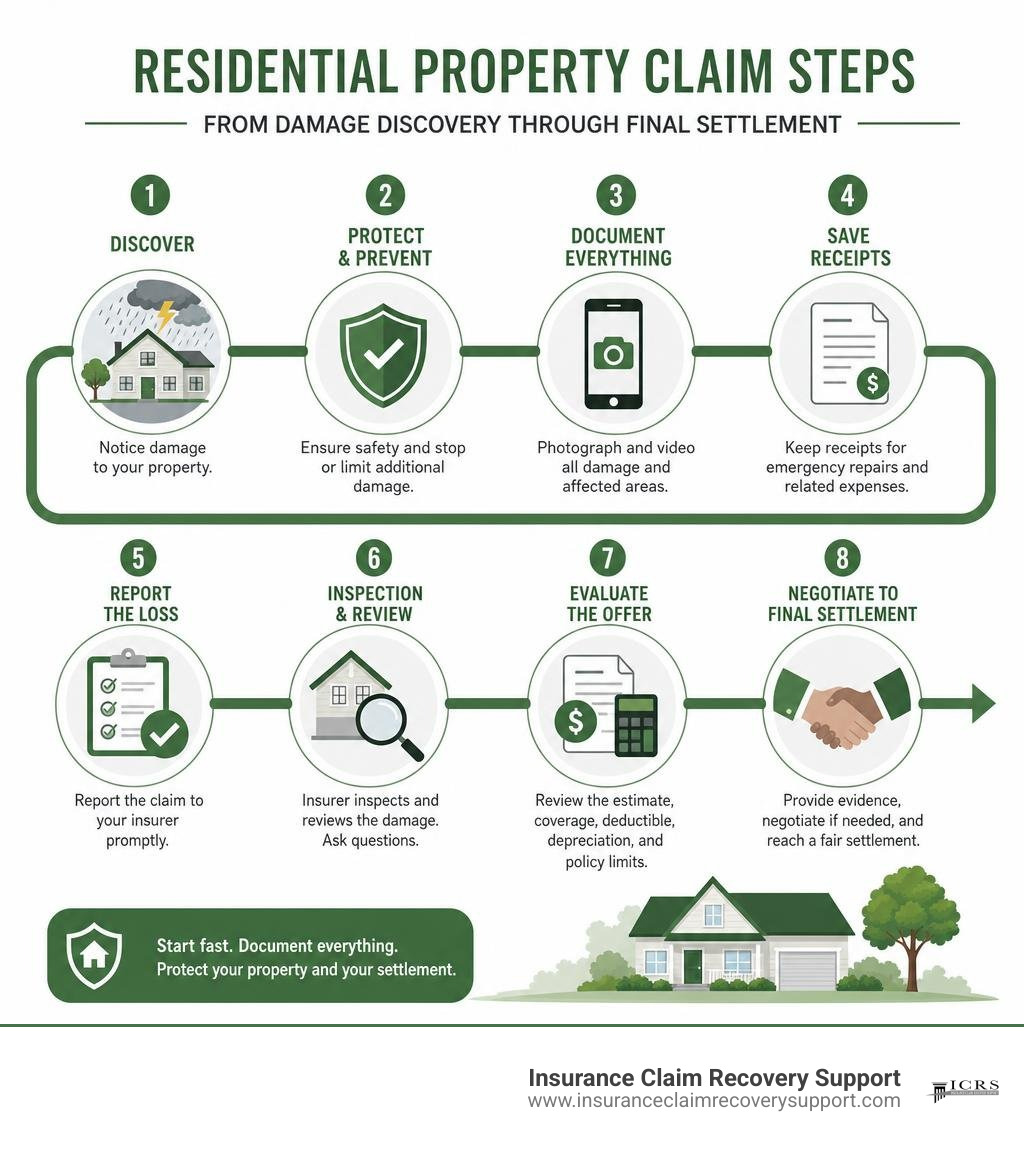
Residential property claims word guide:
First Steps: Immediate Actions and Policyholder Duties After Damage
When disaster strikes commercial properties, multifamily housing developments, retail centers, office buildings, industrial facilities, religious institutions, historical structures, or HOA communities across Austin, Dallas-Fort Worth, Houston, and San Antonio, the clock starts ticking immediately. Every commercial and residential insurance contract imposes strict post-loss duties on the insured. Your foremost contractual obligation is loss mitigation: taking prompt, reasonable measures to prevent secondary destruction.
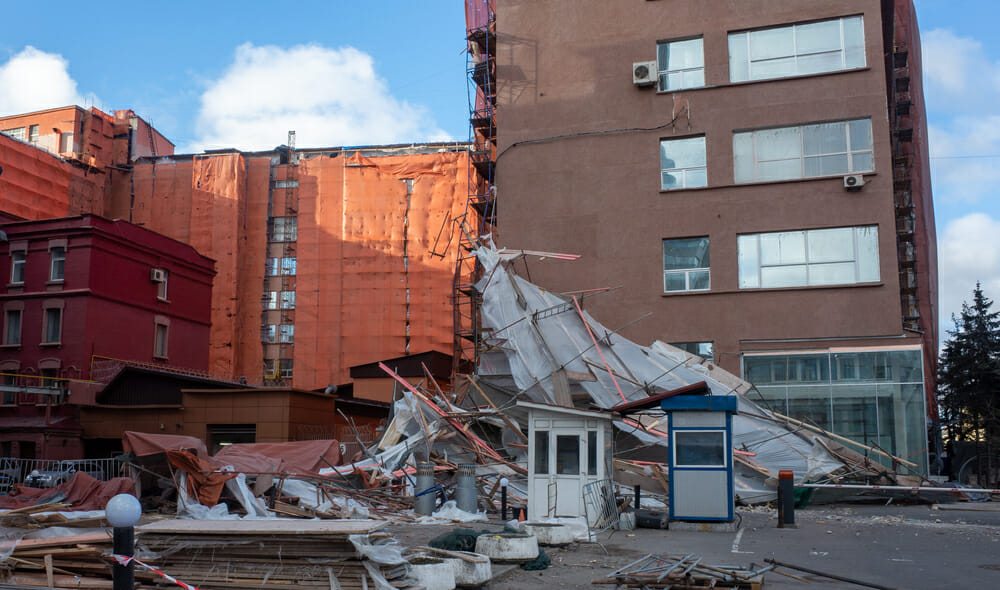
Failure to mitigate gives insurance carriers an easy excuse to deny coverage for secondary losses, such as progressive wood rot or mold proliferation. However, policyholders often make the mistake of executing permanent repairs before the insurance company inspects the site. To protect your rights:
- Execute Emergency Tarping and Board-Up: Secure compromised building envelopes, broken windows, and damaged roof decks immediately using heavy-duty tarps or plywood.
- Isolate Water Infiltration: Shut off main utility valves for burst pipes and immediately bring in certified extraction crews to initiate active mechanical drying.
- Establish Environmental Protocols: Ensure contractors adhere strictly to OSHA standards. If dealing with older commercial, religious, historical, or multifamily structures, bring in certified industrial hygienists to test for asbestos and lead before tearing out materials.
- Maintain Rigorous Moisture Dry Logs: Require water remediation teams to produce daily atmospheric and psychrometric dry logs (measuring relative humidity, temperature, and moisture points). Insurers routinely slash water remediation invoices when dry logs are missing.
- Preserve All Physical Evidence: Do not toss damaged plumbing parts, failed valves, or scorched mechanical components into a dumpster. Carriers must be afforded the opportunity to inspect the physical evidence to assess cause of loss.
- Retain Every Receipt: Track every invoice for emergency services, temporary fencing, generator fuel, and security personnel.

Documenting Structural Losses in Residential Property Claims
Commercial and multifamily property owners managing apartment complexes, condominiums, and large commercial facilities must treat damage documentation with forensic rigor. When severe weather hits markets like Lubbock, San Angelo, Amarillo, or Waco, carrier adjusters are frequently overwhelmed, spending minimal time on site.
To build an undeniable record, document the exact date, time, and origin of the loss. Compile pre-loss photographic evidence and maintenance records to demonstrate prior sound condition. Create an exhaustive inventory covering both structural assemblies and building equipment. For a deeper breakdown of structural preservation, review our Property Damage Recovery Complete Guide.
When preparing a formal Proof of Loss, submit itemized documentation reflecting actual localized reconstruction costs rather than generic estimating algorithms.
Navigating Peril-Specific Challenges in Residential Property Claims
Different perils present distinct physical evidence challenges across commercial real estate:
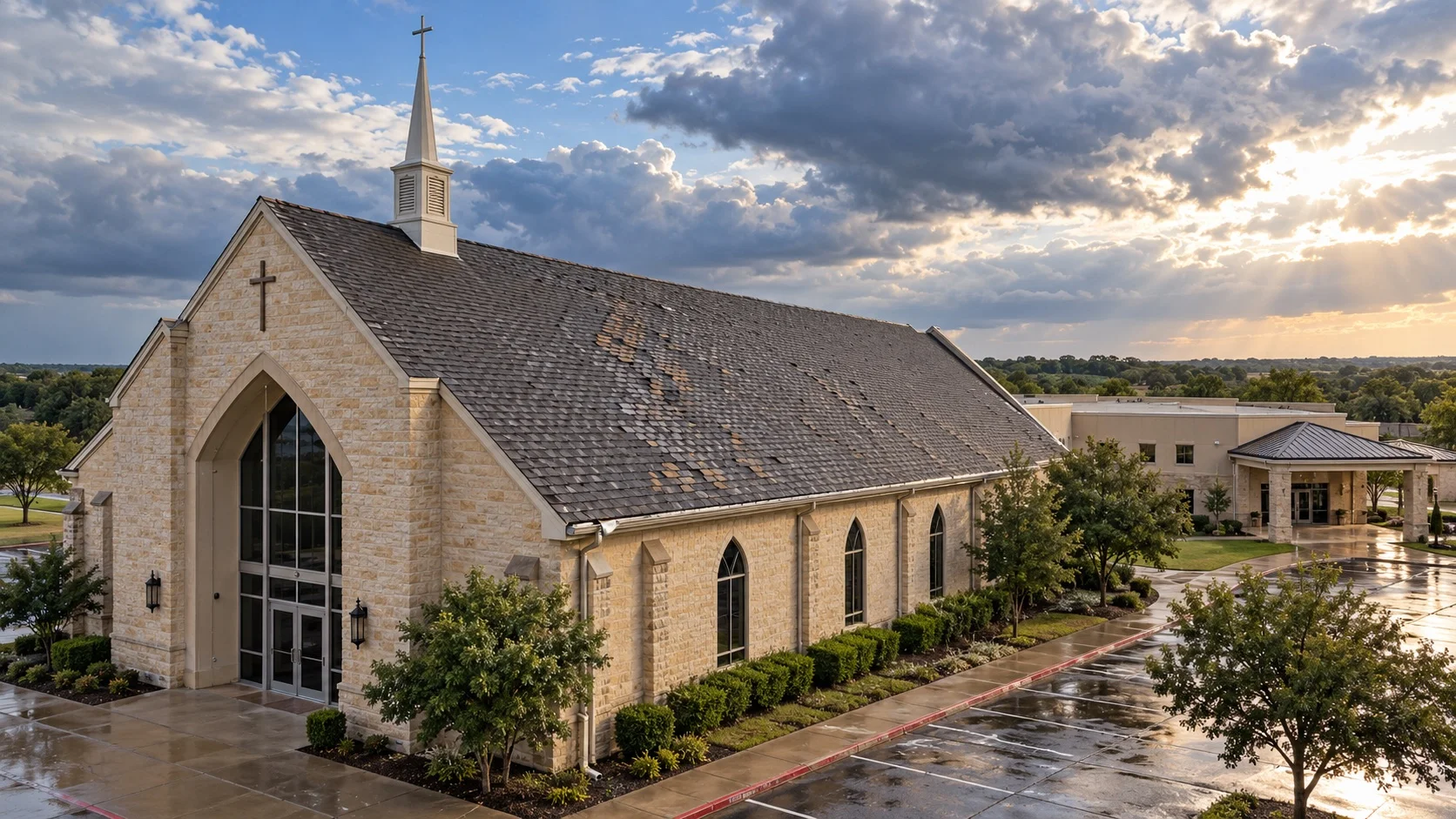
- Wind & Hail Damage: High-velocity winds and hail create impact fractures, tear underlying waterproofing membranes, and cause massive granule loss on modified bitumen, TPO, or shingle roofs. Granules accumulating in commercial scuppers or gutters are clear signs of compromised roof integrity. Learn more about tactical hail scoping by reviewing how to Hail Damage Public Adjuster resources and How to Handle Your Storm Damage Insurance Claim Like a Pro.
- Freezing & Winter Storms: Deep freezes across Texas regularly rupture fire sprinkler lines and domestic risers, dumping thousands of gallons into commercial suites. With non-weather water peril claim severity rising 13.1% in recent years and average water severity averaging $13,954 to over $50,000+ in large properties, you must act decisively. Learn how to navigate these losses with our guides on After Freeze Ensure Receive Full Benefit Insurance Policy and the Austin Freeze Damage Complete Guide.
- Tornadoes & Structural Catastrophes: Violent rotational storms compromise building frames and shear walls. Structural engineering reviews are essential; see our guide on managing a Tornado Damage Claim.
- Fires & Smoke Infiltration: Fire and lightning claims carry immense severity, averaging $83,991 per loss across industry benchmarks. Hidden smoke, soot, and toxic chemical contamination require specialized restoration; consult our Fire Claim Process Guide and Fire Damage Claim Help.
Step-by-Step Breakdown of the Residential Property Claims Process
The claims lifecycle moves through several phases: first notice of loss, field inspection, scope development, pricing, and settlement.

Today, carriers rely heavily on desk adjusters, digital intake portals, and AI-driven optical damage analysis. Significant adjuster licensing gaps often emerge during this stage; many desk adjusters operating remotely are unlicensed or lack commercial construction training. Following catastrophic weather events, insurers frequently exploit emergency adjuster licensing exemptions to deploy inexperienced out-of-state adjusters who fail to recognize complex structural damage. While automated intake streamlines filing, algorithmic estimating tools and unqualified adjusters frequently overlook hidden structural moisture, unsealed building envelopes, and complex mechanical failures.
To understand how regional rules shape carrier duties, review the Home Insurance Claim Process and Property Damage Claims in Texas. In Texas, carriers are subject to strict statutory standards under Chapter 542 of the Texas Insurance Code (the Prompt Payment of Claims Act), which dictates clear deadlines:
- 15 Days: Acknowledge receipt of the claim, begin investigation, and request all necessary items.
- 15 Business Days: Accept or reject the claim in writing after receiving all requested information.
- 5 Business Days: Issue payment after approving the claim.
Violations of Texas Insurance Code Chapters 541 (unfair deceptive practices) and 542 can expose insurers to statutory interest penalties and attorney fees. Meanwhile, in states like Florida, complex litigation costs and legislative reforms have reshaped dispute resolution, driving commercial policyholders to rely heavily on structured appraisal awards, binding valuations, and early dispute interventions.
Replacement Cost Value vs. Actual Cash Value Settlements
Commercial property policies generally settle claims using one of two basic valuation standards: Replacement Cost Value (RCV) or Actual Cash Value (ACV).
| Valuation Standard | Definition & Calculation | Payout Structure | Policyholder Timing Constraints |
|---|---|---|---|
| Actual Cash Value (ACV) | Replacement Cost minus physical depreciation (age, condition, wear and tear). | Upfront initial payment issued after deductible is applied. | Paid immediately upon claim adjustment. |
| Replacement Cost Value (RCV) | Total cost to repair or replace damaged property with new materials of like kind and quality. | Paid in two disbursements: ACV first, then withheld depreciation after repairs are completed. | Strict policy deadlines (typically 180 to 365 days) to complete repairs and claim holdback. |
When a settlement check is issued for a mortgaged apartment community or retail plaza, the mortgage lender will be named as a co-payee. The lender deposits these funds into an escrow account, releasing money in progress draws as independent inspections verify repair milestones.
Building Code Upgrades and Ordinance or Law Provisions
Local municipal building codes in cities like Georgetown, Lakeway, Bee Caves, and Round Rock frequently mandate upgrades when structural elements are repaired. If your roof sustained 30% damage, local ordinances might require replacing the entire roof system, upgrading insulation R-values, or installing continuous commercial fire-suppression risers.
Unless your commercial policy includes robust Ordinance or Law coverage, the carrier will only pay for direct physical damage, leaving you to pay out-of-pocket for mandatory municipal upgrades. Furthermore, continuous flooring and matching requirements across multi-suite properties require careful policy interpretation to ensure seamless repair indemnification. For a breakdown of local statutory mechanisms, read our Insurance Claim Process Texas Guide.
What to Do When Your Settlement Offer Is Low or Denied
It is common for carriers to present initial settlement offers that fall short of real-world repair costs. Insurance companies operate under administrative financial models where claim severity management is treated as a routine cost of doing business. Major institutional carriers have faced severe regulatory scrutiny over systematic claim delays and lowball settlements.
For example, regulatory actions in California highlighted systemic claim handling failures during major wildfire events, detailed in the official California Enforcement Action to State Farm Re Wildfire and reported extensively by the New York Times, The Guardian, and CNN. Similar scrutiny surrounding claim settlement practices is documented in reporting on a State Farm $15.6M settlement.
Fact vs. Myth
- Myth: Your insurance company’s adjuster is an independent, neutral third party who calculates total repair costs objectively.
- Fact: Carrier adjusters work directly for the insurer. Their scopes often leave out hidden moisture, overlook building code mandates, and use deflated regional labor pricing.
If your claim has been unfairly underpaid or rejected, review our actionable resources on Homeowners Insurance Claim Denied and our comprehensive Insurance Claim Underpaid Ultimate Guide.
The Strategic Advantage of Policyholder Representation
When dealing with substantial commercial property losses, apartment complexes, industrial parks, or HOA communities with claims exceeding $250,000, relying solely on carrier desk adjusters exposes you to severe underpayment.
Independent, licensed public adjusters represent policyholders exclusively. We perform comprehensive building envelope diagnostics, compile line-item estimates using current local construction pricing, and manage negotiations directly with the carrier. If disputes persist over the scope and pricing of loss, public adjusters can invoke the policy’s formal Appraisal Clause—a binding dispute resolution mechanism that determines the true amount of loss without costly, multi-year litigation.
Learn how independent advocacy protects your asset recovery by exploring our guides on Public Adjuster Home Insurance Claim and our Property Claim Advocate Ultimate Guide. For properties managed by community associations, see What to Expect When the HOA Sends an Insurance Adjuster and discover How to Get the Best Insurance Settlement in San Antonio and Beyond.
Frequently Asked Questions About Property Insurance Claims
Will filing a property claim cause my insurance premiums to skyrocket?
Insurance premiums are primarily influenced by broader actuarial loss trends, regional catastrophic weather activity, and combined underwriting expense ratios. While a carrier may adjust rates across an entire geographic region following major convective storm seasons, filing a legitimate, weather-related property claim does not automatically trigger an isolated premium spike.
What is the difference between an adjuster scope of loss and a contractor estimate?
An insurance adjuster’s initial scope of loss generally records raw dimensions, surface damage observations, and standardized pricing metrics that frequently omit access equipment, general contractor overhead and profit (O&P), and municipal code mandates. A detailed contractor estimate reflects real-world market pricing, actual subcontractor labor costs, and the true physical requirements needed to fully restore the structure.
Why is my mortgage lender included on my claim settlement checks?
Because the mortgage lender holds a direct financial and insurable interest in the real estate, standard policy mortgage clauses require them to be named as joint payees on structural repair payments. The lender holds the funds in an escrow account, releasing payments in structured draws as verified repairs progress.
Conclusion: Maximizing Your Property Damage Settlement
Navigating complex residential property claims on large-loss commercial buildings, multifamily portfolios, and institutional properties requires fast action, meticulous documentation, and an unwavering defense of your contractual rights. Insurance carriers operate sophisticated adjusting models designed to control loss payouts; policyholders must counter with equal technical precision, thorough dry logs, certified industrial hygiene assessments, and comprehensive line-item loss valuations.
If your property has suffered substantial damage and you are facing delays, scope disagreements, or underpayment, our team is here to help. Insurance Claim Recovery Support LLC levels the playing field to ensure your insurer fully indemnifies your losses. Reach out today for expert claim assistance to maximize your settlement and eliminate carrier delays.
For more information, explore our dedicated resources on flood damage insurance claims, track the latest property insurance news, learn more about our company on our main homepage, or discover the fundamentals of policyholder representation at what is a public adjuster.