The Definitive Guide to Large Loss Hail Damage Insurance Claims (Commercial & Multifamily)
When we talk about a large loss hail insurance claim, we aren’t just talking about a few dented gutters. In commercial real estate and multifamily housing, a “large loss” typically involves damages exceeding the $250,000 threshold. These are large loss insurance claims that involve catastrophic structural damage, widespread mechanical failures (like shredded HVAC condensers), and significant financial disruptions.
What exactly is a large loss claim? It is a claim where the scale of destruction requires multiple experts—forensic engineers, building consultants, and specialized contractors—to even begin to quantify the recovery cost. For a commercial large loss claim, the stakes are magnified by “soft costs” like business interruption and the loss of rental income.
The Science of Destruction: Hail Alley and Beyond
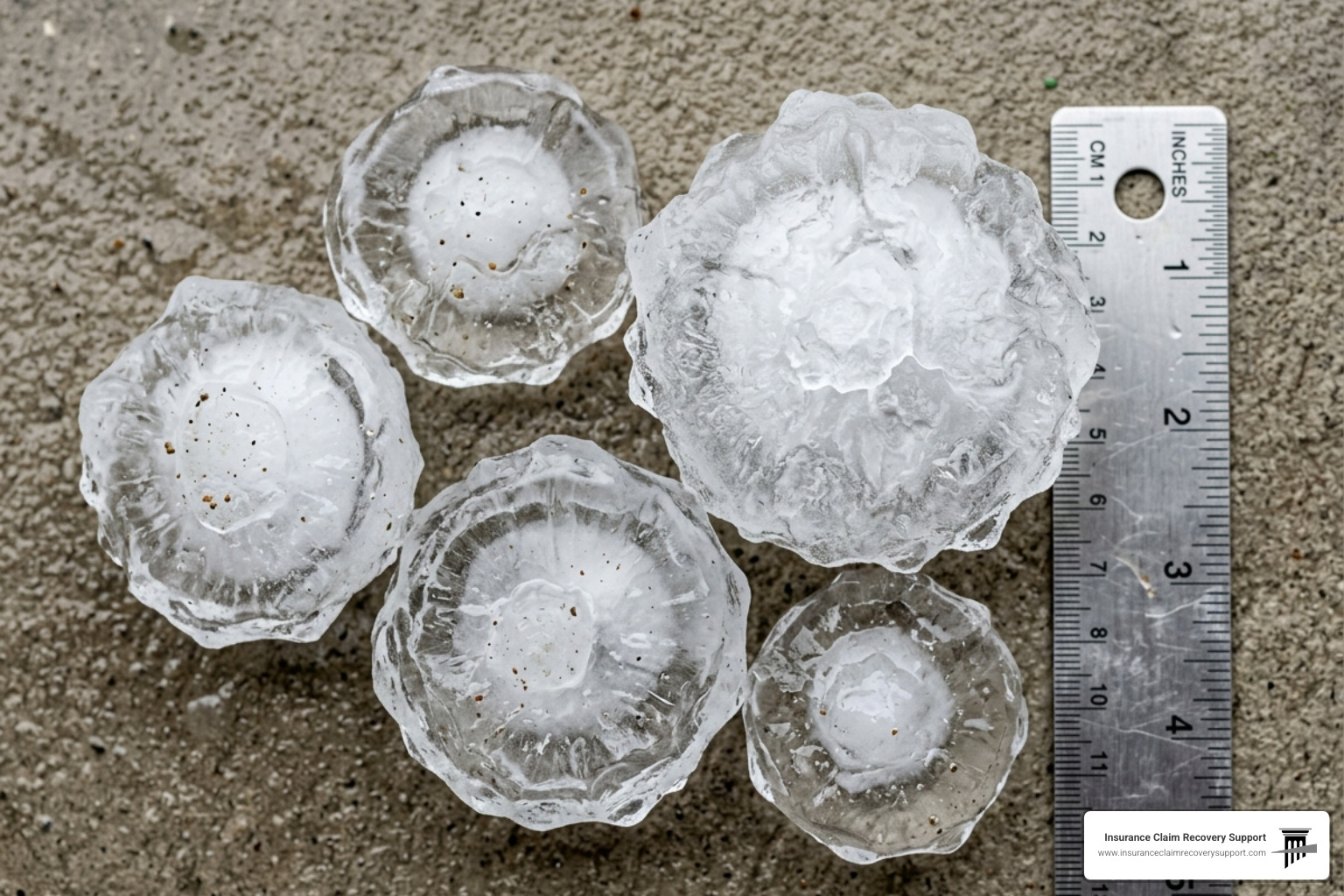
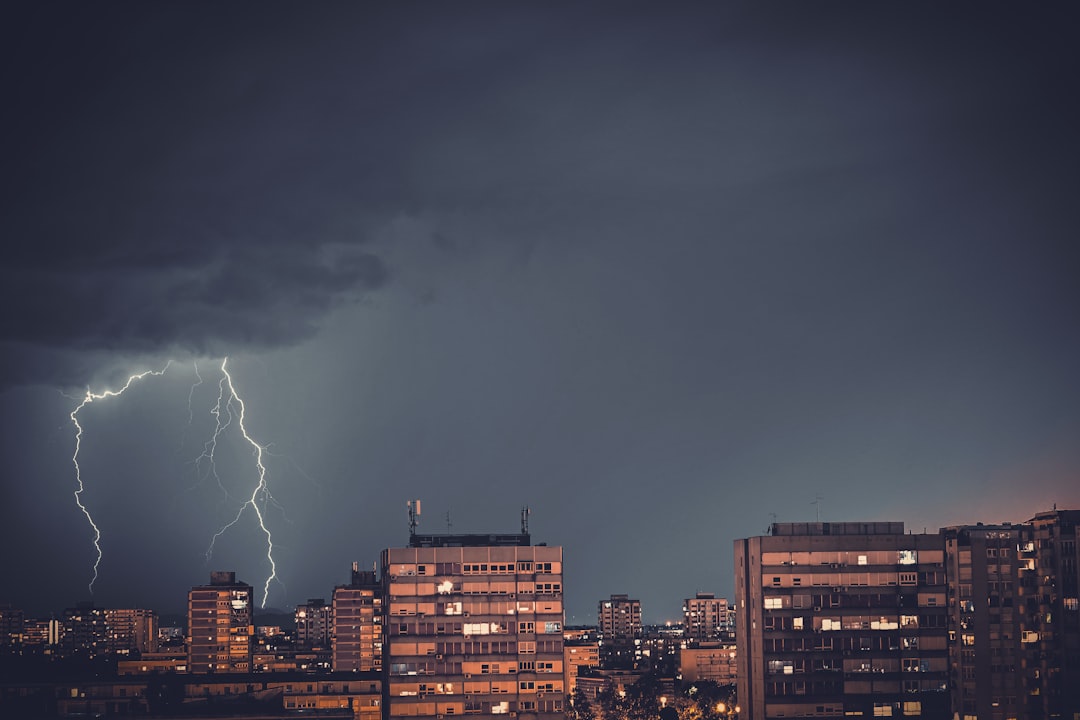
Hail forms when powerful thunderstorm updrafts carry raindrops into extremely cold layers of the atmosphere, where they freeze and accumulate layers of ice. According to NOAA scientific research, the kinetic energy of a 2-inch hailstone falling at terminal velocity can exceed 20 joules—enough to fracture commercial roof membranes and shatter skylights instantly.
While “Hail Alley”—the region where Colorado, Nebraska, and Wyoming meet—is famous for frequency, the financial epicenter of hail damage is often Texas. In 2023, data showed 132,000 storm swaths across the country, with Texas leading the nation in total claims filed. For owners in Austin, Dallas, or Houston, hail isn’t a matter of “if,” but “when.”
Navigating The Definitive Guide to Large Loss Hail Damage Insurance Claims (Commercial & Multifamily) for Multifamily Assets
Multifamily properties, including apartment complexes and homeowner association property damage insurance claims, present unique hurdles. Unlike a warehouse, an apartment complex is a living environment. The process of multi-family insurance claims must account for:
- Tenant Relocation: If a roof is compromised and units become uninhabitable due to water intrusion, who pays for tenant housing?
- Loss of Rents: Large hail events can trigger a mass exodus of tenants if repairs are delayed, leading to a massive “Loss of Use” claim.
- HOA Politics: Navigating the board of directors and various stakeholders requires a clear, professional hail damage claim process to ensure everyone is on the same page.
Strategic Documentation for The Definitive Guide to Large Loss Hail Damage Insurance Claims (Commercial & Multifamily)
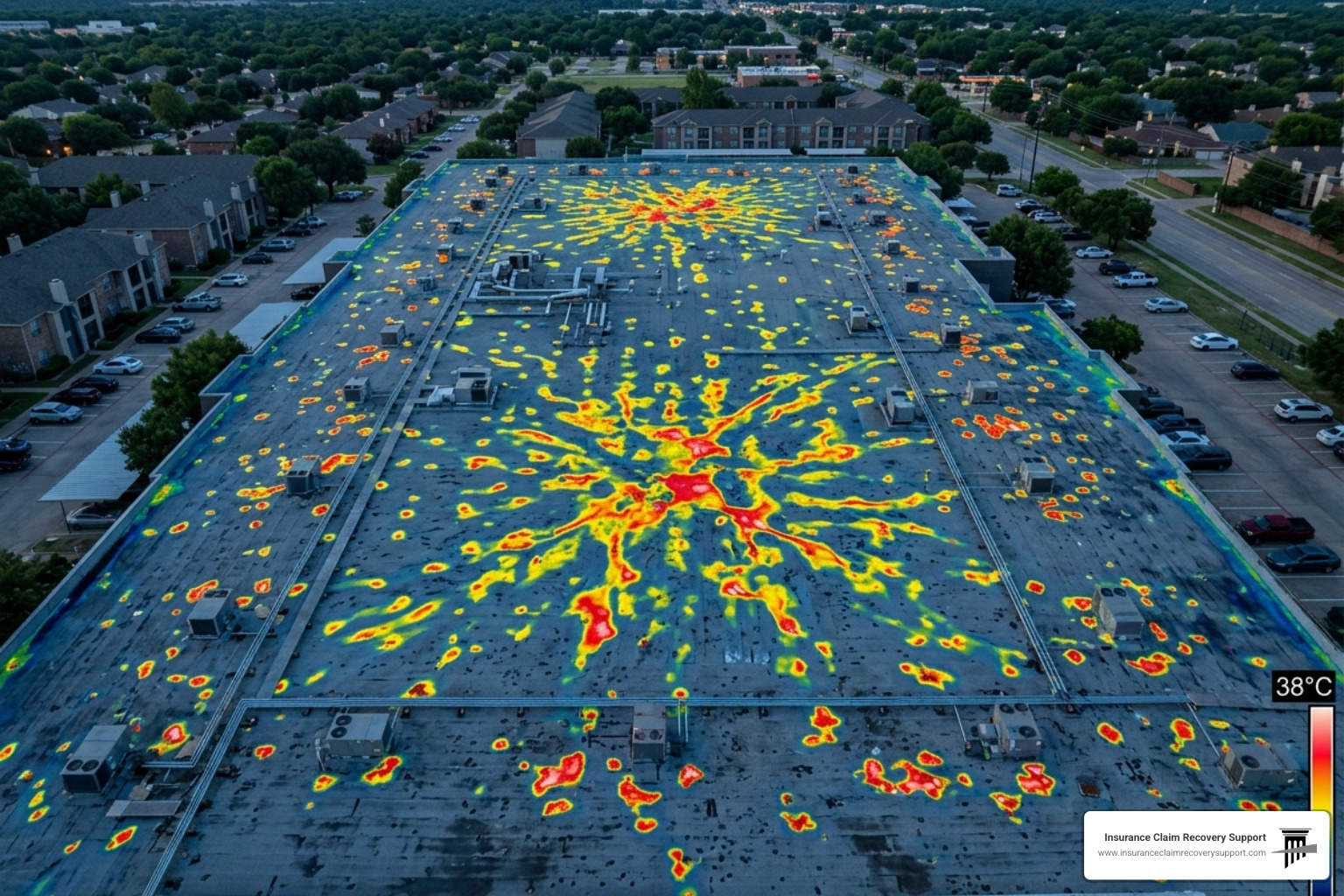
In 2026, “taking a few photos” isn’t enough to win a large loss settlement. We utilize advanced large loss claims consulting techniques to build an undeniable case.
- Drone & Thermal Imaging: We use high-resolution drones to capture every inch of a commercial roof. Thermal imaging can detect “bruising” and moisture trapped under the membrane that the naked eye misses.
- Expert Forensic Engineering: We bring in independent engineers to counter the “preferred” engineers hired by the insurance company.
- Detailed Inventory Logs: Every rooftop HVAC unit, solar panel, and vent must be cataloged. A hail storm roof damage insurance claim often hinges on the smallest details of mechanical damage.
Systemic Insurer Scrutiny and Regulatory Roadblocks
The insurance landscape has shifted dramatically. A May 2025 Senate hearing highlighted the aggressive tactics used by major carriers like State Farm (who paid out $4B in 2023) to mitigate their own losses. In 2026, President Trump publicly criticized the insurance industry’s lack of transparency, leading to renewed scrutiny from state regulators.
In Oklahoma, the Attorney General’s “Hail Focus Initiative” has begun investigating carriers for systemic underpayment. Similar “bad faith” investigations are underway in California and Illinois. For property owners, this means your commercial property loss claim is likely being viewed through a lens of corporate cost-saving rather than fair restoration.
“Translation” Callout: When an adjuster says your roof has “granule loss but no functional damage,” they are often trying to categorize the loss as “cosmetic” to avoid paying for a full replacement. In reality, granule loss exposes the underlying bitumen to UV rays, drastically shortening the roof’s lifespan.
Texas Insurance Code and Statutory Protections
Texas-based owners have powerful tools at their disposal. The Texas Insurance Code Chapter 541 (Unfair Settlement Practices) and Chapter 542 (Prompt Payment of Claims Act) are designed to keep carriers honest. If an insurer fails to pay a Texas hail claim within the statutory deadlines, they may be liable for 18% interest plus attorney fees.
Whether your property is in San Antonio, Fort Worth, or Lubbock, understanding these protections is vital. A hail storm in Texas moves fast, but the legal protections move even faster if you know how to invoke them.
Common Exclusions and Underpayment Tactics
Insurers often hide behind complex policy language to limit payouts. Common tactics include:
- Cosmetic Damage Waivers: These exclude coverage if the damage “only” affects the appearance of metal roofs or siding.
- Actual Cash Value (ACV) vs. RCV: If you have an ACV policy, the insurer will subtract years of depreciation from your check. We always recommend hail damage roof repair be handled under Replacement Cost Value (RCV) terms whenever possible.
- Ordinance or Law: Many older buildings in Dallas or Houston don’t meet current codes. Without this coverage, the insurer won’t pay for the mandatory upgrades required by the city during a rebuild.
Professional Advocacy: Maximizing Large Loss Settlements

When the damage exceeds $250,000, the “independent” adjuster sent by the carrier is anything but independent. They are paid by the insurance company. To level the playing field, you need large loss claims handling from someone who only represents you.
Public Adjuster vs. Lawyer vs. Independent Adjuster
| Role | Who They Represent | Goal |
|---|---|---|
| Public Adjuster (ICRS) | The Policyholder | Maximize settlement, prove full scope of loss |
| Independent Adjuster | The Insurance Company | Minimize the carrier’s financial exposure |
| Insurance Lawyer | The Policyholder | Litigation, bad faith lawsuits (often a last resort) |
At ICRS, we maintain a 90% settlement success rate without the need for expensive litigation or the risky appraisal process. In states like Florida, litigation costs have skyrocketed, making the public adjuster the most efficient route to a full recovery for storm-related large loss claims.
The Role of Public Adjusters in Complex Claims
We don’t just “file” a claim; we build a case. For commercial insurance claims, this involves:
- Quantifying Every Cent: We don’t guess. We use Xactimate and real-world contractor bids to ensure the estimate reflects 2026 labor and material costs.
- Negotiation Strategies: We speak the insurer’s language. When they cite an exclusion, we cite the counter-precedent or the Texas Department of Insurance Bill of Rights.
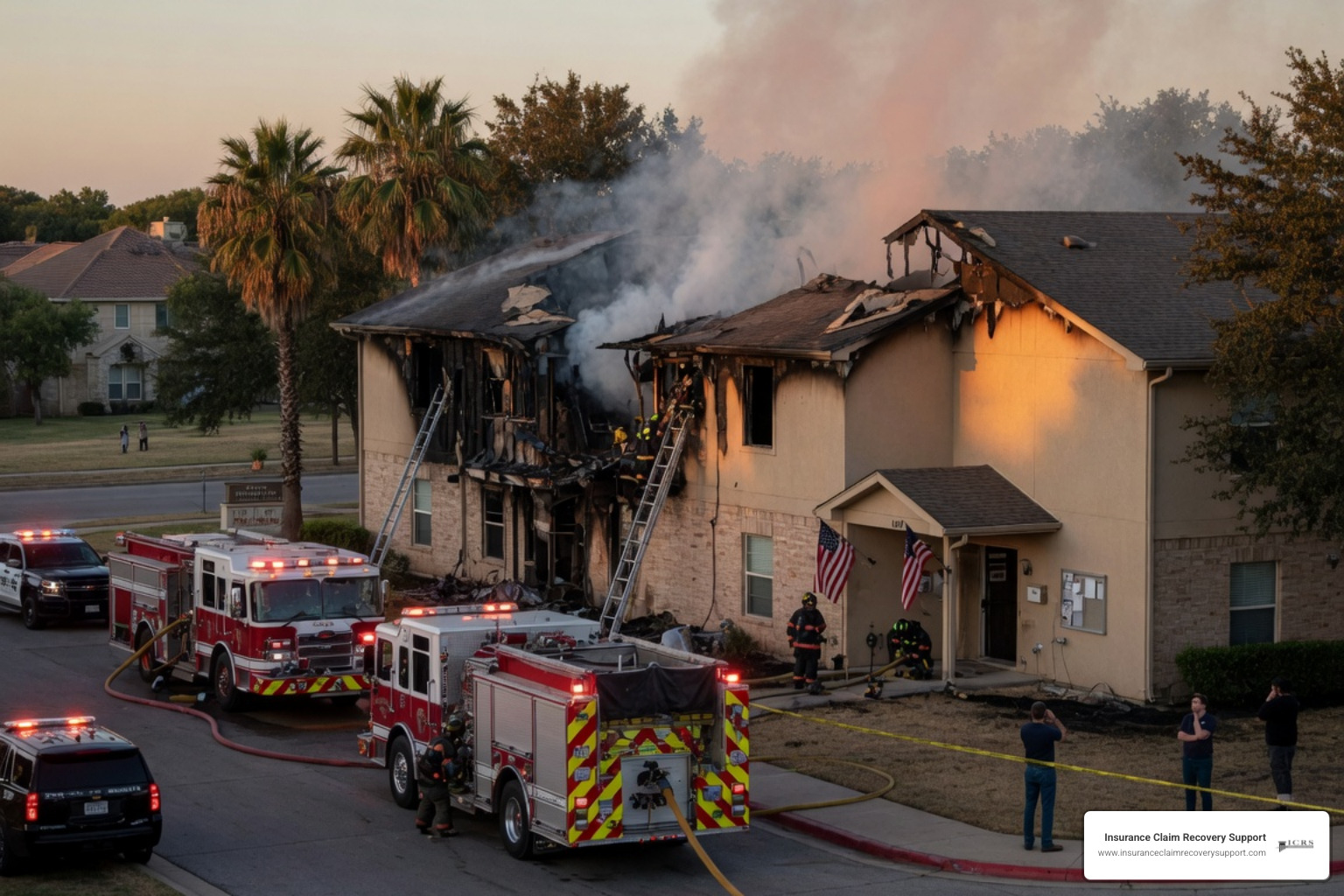
- Specialty Assets: Whether it’s simplifying apartment damage fire insurance claims or managing a complex retail center loss, we handle the heavy lifting so you can focus on your business.
Learn more:
Claim documentation process:
https://insuranceclaimrecoverysupport.com/claim-documentation-process
Common hail claim mistakes:
https://insuranceclaimrecoverysupport.com/common-hail-claim-mistakes
Insurance claim appraisal risks:
https://insuranceclaimrecoverysupport.com/insurance-claim-appraisals/
Frequently Asked Questions about Large Loss Hail Claims
What is the “Fact vs. Myth” regarding hidden hail damage?
Myth: If the roof isn’t leaking, there is no damage. Fact: Hail impacts can “bruise” the underlying reinforcement of a roof membrane without causing an immediate leak. These bruises become fractures over 12–24 months as the roof expands and contracts. If you wait for the leak to file, the insurer will likely deny the claim as “wear and tear” or “maintenance issues.”
How does the Texas Appraisal process impact large loss settlements?
Appraisal is a contractual mechanism to resolve disputes over the amount of loss, not whether the loss is covered. While it can be faster than court, it is often a “split the baby” approach. We prefer to resolve hail insurance claim process issues through aggressive documentation and negotiation to avoid the uncertainty of appraisal.
When should a commercial owner hire a public adjuster for a hail claim?
Immediately. The most common mistake is waiting for the insurance company to “lowball” you. By the time that happens, the carrier has already locked in their position. Hiring ICRS from day one ensures the hail storm roof damage insurance claim is scoped correctly from the very first inspection.
Conclusion
Navigating The Definitive Guide to Large Loss Hail Damage Insurance Claims (Commercial & Multifamily) requires more than just a ladder and a camera. It requires a deep understanding of policy law, forensic engineering, and the specific tactics used by insurance carriers to protect their profits.
At Insurance Claim Recovery Support (ICRS), we are dedicated to ensuring that commercial property owners and multifamily operators receive every penny they are owed. We focus on maximizing settlements and reducing the delays that keep your business in limbo. Stay informed with the latest property insurance news and don’t settle for less than your policy promises.
If your property has been hit by a major storm, don’t face the insurance giants alone. Get professional claim help today and let us put our 90% success rate to work for you.