Monitor North Carolina Wind Damage Before It Delays Recovery
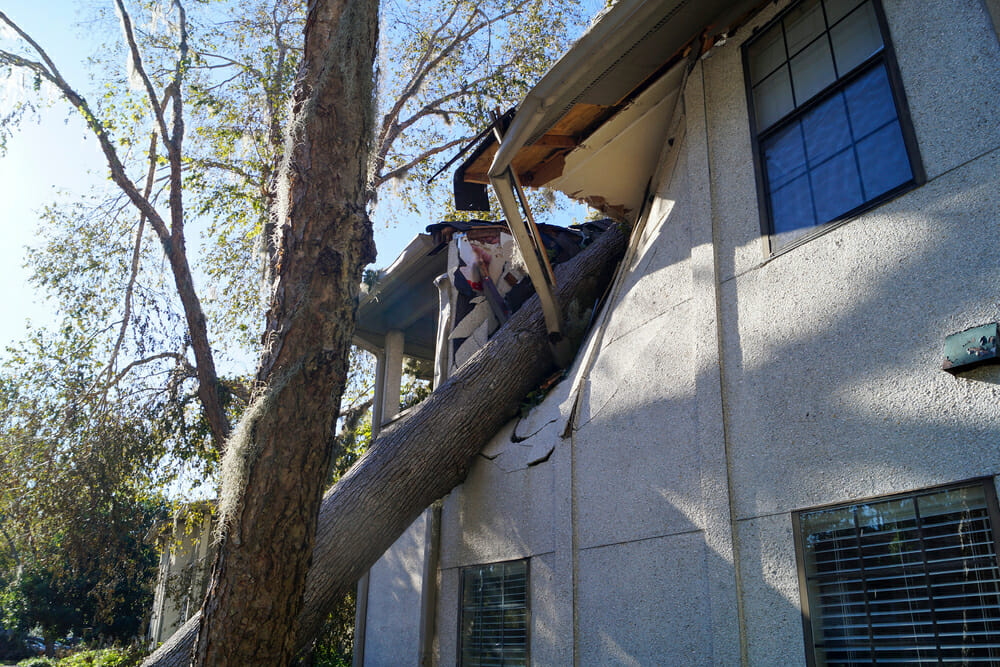
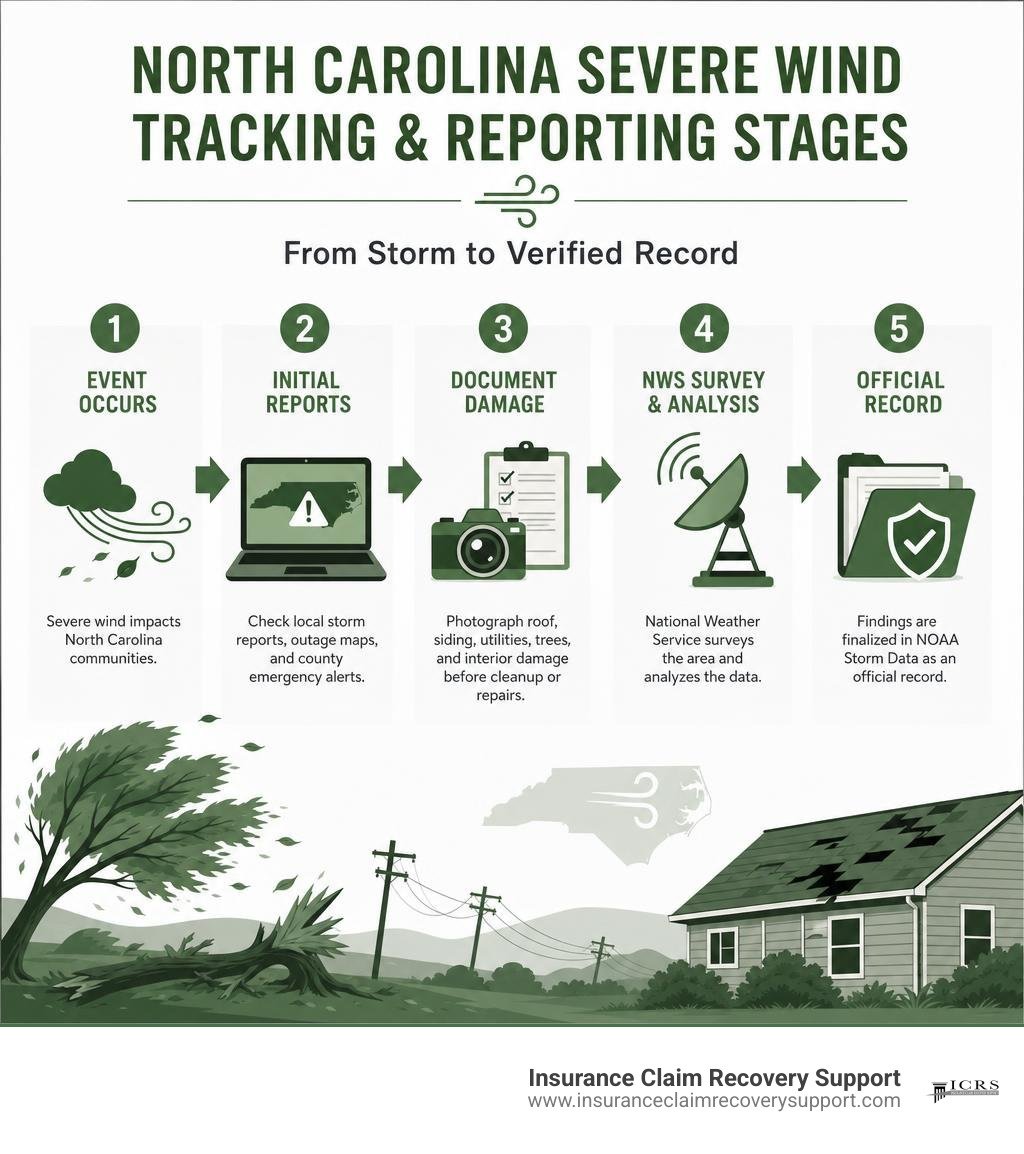
To monitor North Carolina wind damage, check National Weather Service local storm reports, active outage maps, and county emergency alerts first. Then photograph roof, siding, utility, tree, and interior water damage before debris removal or temporary repairs change the evidence.
For a companion claim-documentation resource, see the ICRS Hail & Wind Claim Guide. Coverage and next steps depend on the facts and policy terms.
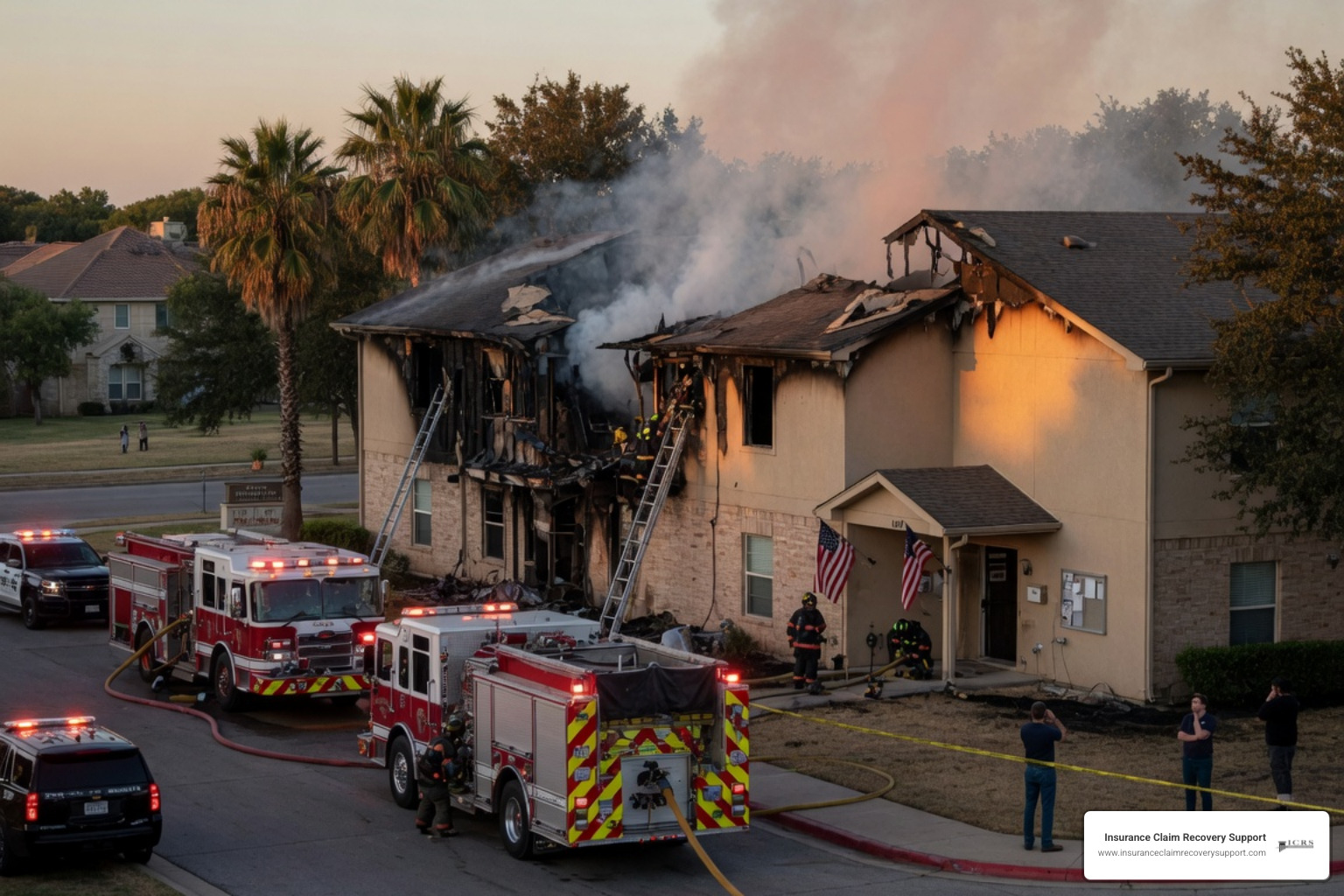
Recent preliminary reports from the August 20 storm system included trees across roads and power lines in communities from Bunn, Spring Hope, and Knightdale to Smithfield, Selma, Stedman, and Salemburg. Reported impacts included blocked freight routes, power outages, a tree striking commercial transport near I-95, roof-shingle loss, and utility-line fires.
The Real Problem: A 60 mph straight-line wind event can create a major property and business-interruption loss without a confirmed tornado. For commercial and multifamily owners, the immediate concern is not just visible debris – it is hidden roof uplift, water entry, damaged electrical systems, unsafe access, and tenant disruption.
Key Takeaway: Preliminary storm reports are useful for documenting the date and location of an event, but National Weather Service surveys and NOAA Storm Data provide stronger confirmation as records are finalized.
Why This Matters: North Carolina has seen how quickly wind and infrastructure damage can overwhelm recovery. Hurricane Helene caused catastrophic statewide impacts in September 2024, including more than 460,000 power outages by October 1 and widespread road closures in western counties. A localized summer storm is not Helene, but downed trees and damaged lines can still delay inspections, emergency mitigation, and normal operations.
What Real Accountability Should Look Like: Preserve proof of the loss, make reasonable emergency repairs to prevent further damage, and keep invoices, photos, outage records, and communications in one file. These details help establish what happened and what the policy should indemnify.
I am Scott Friedson, a multi-state licensed public adjuster and CEO of Insurance Claim Recovery Support, with more than 15 years of experience handling large-loss property claims involving wind, hurricane, tornado, and business-interruption damage. My work on hundreds of commercial and multifamily losses helps owners approach North Carolina wind damage with organized evidence and a clear settlement strategy. When resolving severe structural breaches or apartment building water damage, utilizing a structured Commercial Property Insurance Appraisal or invoking the policy appraisal clause provides a reliable path to an equitable settlement.
Live Radar and North Carolina Wind Damage Reports from Recent Storms
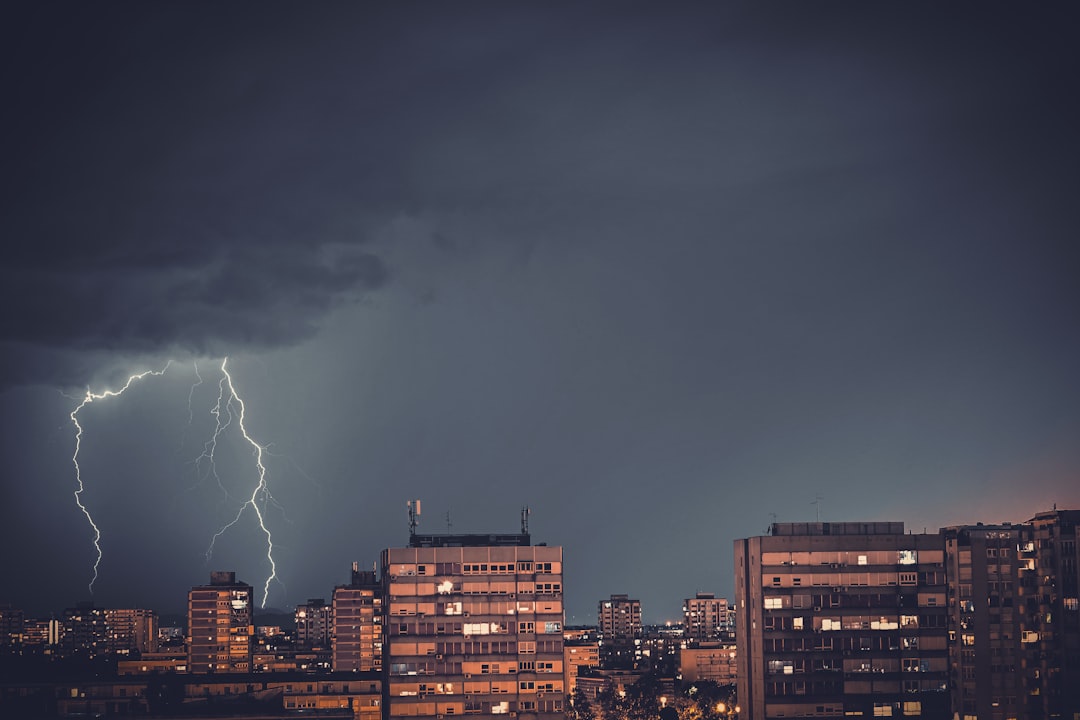
The severe convective front that swept across the state on August 20, 2026, brought intense localized microbursts, straight-line winds exceeding 60 mph, and severe property disruptions. Commercial real estate assets, industrial facilities, and multifamily complexes experienced sudden building envelope breaches, localized structural failures, and extensive utility disruptions.
In Wake, Johnston, Nash, and Franklin counties, high-velocity wind gusts downed mature timber directly onto commercial power distribution lines, sparking utility fires and blocking vital transportation corridors. Municipal emergency dispatch logs recorded severe impacts along highway corridors, including fallen trees obstructing freight routes and striking commercial transport along Interstate 95 near Sims. In Harnett and Sampson counties, rural commercial assets and agricultural operations reported significant roof shingle loss, exterior cladding failure, and secondary water intrusion after storm-created openings compromised structural envelopes.
Tracking Severe North Carolina Wind Damage Across the Piedmont and Coast
The geographic footprint of recent severe weather illustrates how vulnerable commercial structures are across diverse terrains:
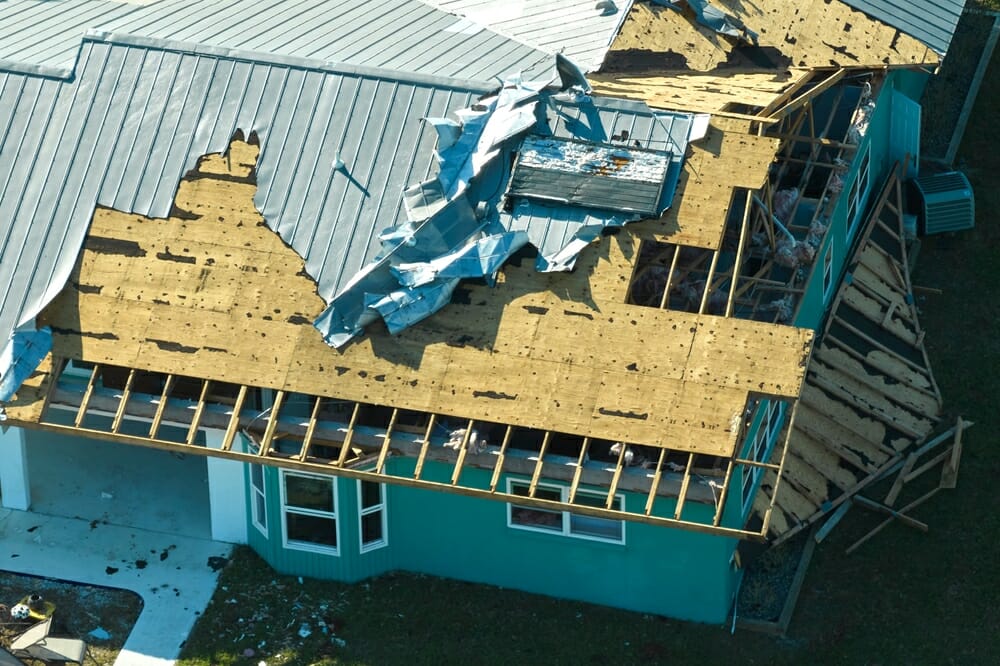
- Piedmont Region: In Greensboro, convective winds were powerful enough to dislodge, lift, and throw entire unreinforced commercial structures, demonstrating the immense uplift capacity of non-tornadic downbursts.
- Eastern and Coastal Counties: Automated Surface Observing Systems (ASOS) at New River Station in Onslow County clocked peak wind gusts of 68 mph, resulting in the structural collapse of a commercial sheet metal building. Coastal Carolina Regional Airport in Craven County registered gusts of 64 mph, while Carteret County recorded 60 mph gusts.
- Structural Failures: In Pamlico and Beaufort counties, severe winds sheared heavy tree limbs and stripped vinyl siding from exterior walls in Pinetown. Meanwhile, in Greenville, high-velocity winds caused framing and support beam failures in new structural developments.
When severe gusts compromise commercial roof membranes, property owners must navigate complex roofing insurance claims for storm damage to secure full coverage for hidden insulation saturation, deck displacement, and mechanical equipment failure.
Assessing North Carolina Wind Damage vs Catastrophic Hurricane History
To understand the full spectrum of high-wind risk, commercial operators must contextualize localized convective storms against historical tropical catastrophes:
- Hurricane Helene (September 2024): Remains the costliest natural disaster in North Carolina history, generating over $59.6 billion in total damages and 108 fatalities. Peak wind gusts reached 75 mph, spawning eight tornadoes across the state—including an EF3 tornado in Rocky Mount that damaged commercial facilities. The catastrophic combination of torrential rainfall and wind caused the collapse of more than 370 Duke Energy electrical substations and left over 460,000 customers without power by October 1, 2024.
- Hurricane Hugo (1989): Generated inland wind gusts of 99 mph into Charlotte, destroying over 80,000 mature trees and devastating commercial properties hundreds of miles from the coast.
- Hurricane Fran (1996): Produced 79 mph wind gusts inland at Raleigh, causing more than $5 billion in damages across central North Carolina.
Navigating the financial fallout of major tropical cyclones requires specialized documentation protocols under hurricane damage claims to resolve disputes over wind versus flood causation.
Meteorological Causes and Regional Vulnerabilities Across NC
North Carolina’s unique geographic projection into the Atlantic Ocean makes it a target for three primary meteorological wind mechanisms:
- Convective Straight-Line Downbursts: Sinking air within severe thunderstorms hits the ground and spreads out laterally, producing winds that exceed 60 to 80 mph.
- Tropical Cyclones: Vast low-pressure systems delivering sustained hurricane-force winds that breach building envelopes and inflict massive structural uplift.
- Tornadic Rotation: Supercells interacting with localized wind shear, generating destructive localized funnels categorized under the Enhanced Fujita (EF) scale.
Complex wind events require thorough documentation under tornado insurance claims to substantiate rotational uplift versus straight-line shear.
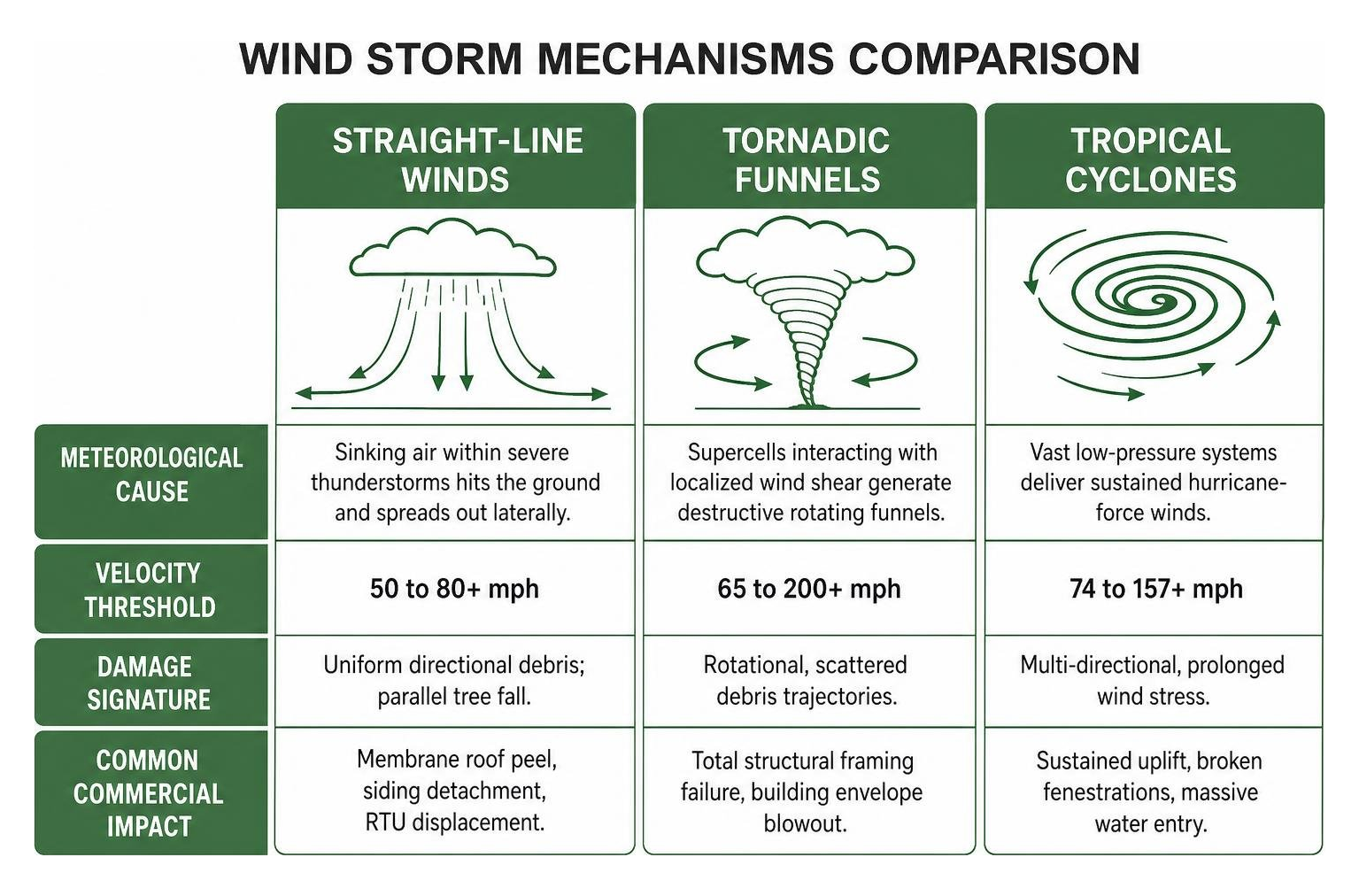
| Wind Mechanism | Velocity Threshold | Damage Signature | Common Commercial Impact |
|---|---|---|---|
| Straight-Line Winds | 50 to 80+ mph | Uniform directional debris; parallel tree fall | Membrane roof peel, siding detachment, RTU displacement |
| Tornadic Funnels | 65 to 200+ mph | Rotational, scattered debris trajectories | Total structural framing failure, building envelope blowout |
| Tropical Cyclones | 74 to 157+ mph | Multi-directional, prolonged wind stress | Sustained uplift, broken fenestrations, massive water entry |
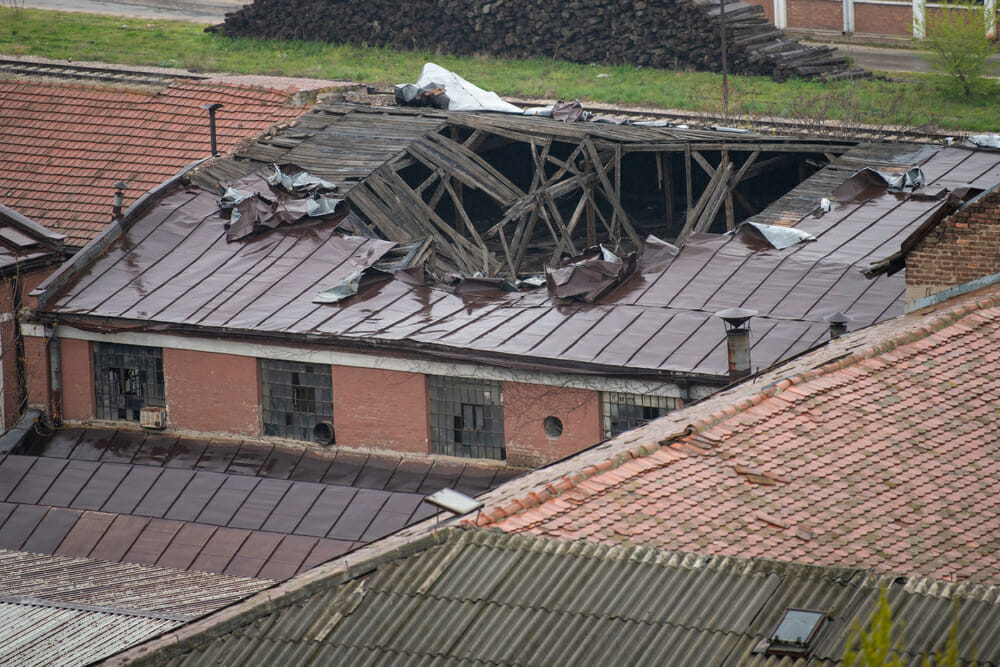
Emergency Safety and Immediate Property Mitigation Protocol
State emergency management guidance from ReadyNC emphasizes life safety and immediate mitigation protocols before and after severe windstorms:
- Structural Fastening: Install hurricane clips or structural straps connecting roof trusses directly to wall frames to counter wind uplift forces.
- Fenestration Protection: Cover large window spans with 5/8-inch cut-to-fit plywood or engineered storm shutters.
- Envelope Reinforcement: Reinforce commercial overhead and garage doors. A failure at a large door opening allows internal pressurization that can blow off roof decks and collapse exterior walls.
- Electrical Hazard Prevention: Never operate fuel generators indoors or near intake vents due to rapid carbon monoxide buildup. Maintain a strict perimeter around downed lines.
Commercial policyholders must balance prompt emergency mitigation with strict evidence preservation. Review our guides on how to submit a wind damage insurance claim and structuring a wind damage loss insurance claim to ensure your emergency board-up and drying protocols protect your rights.
Commercial Insurance Recovery: Fact vs. Myth for Storm Claims
Large commercial property claims are frequently delayed or underpaid due to systematic carrier claim practices that treat initial under-scoping as a standard cost of doing business.
Fact vs. Myth Analysis
- Myth: If the exterior roof looks intact from the ground, the building did not sustain wind damage.
- Fact: High-velocity winds create low-pressure vortices over flat commercial roofs, pulling up fasteners and rupturing moisture barriers without visibly dislodging the top membrane. Water then penetrates insulation layers, reducing thermal efficiency and rotting the deck.
- Myth: Wind-driven rain damage is automatically covered under standard commercial property policies.
- Fact: Most commercial policies require a distinct “storm-created opening” caused directly by wind or hail before interior water damage is covered. Detailed forensic verification is necessary to link the water entry point to wind uplift.
- Myth: Independent adjusters sent by the insurer represent your financial interests and possess full commercial credentials.
- Fact: Carrier-appointed adjusters work exclusively for the insurance company to minimize financial exposure. Following widespread weather disasters, severe adjuster licensing gaps emerge when carriers deploy personnel under emergency licensing waivers who lack commercial building envelope expertise. Commercial policyholders facing complex losses exceeding $250,000 should engage licensed public insurance adjusters who advocate exclusively for the policyholder.
To avoid severe claim reductions, property managers must understand why hail and wind property damage insurance claims get denied or underpaid and what to do and consult our property damage claims complete guide.
Statutory Timelines, Environmental Protocols, and Regulatory Precedents
In multi-state property management, understanding statutory carrier obligations, accurate policy interpretation, and navigating adjuster licensing gaps are critical. In Texas, for instance, Texas Insurance Code Chapters 541 (Unfair Settlement Practices) and 542 (Prompt Payment of Claims) establish strict deadlines for carriers to acknowledge, inspect, and indemnify covered property losses, penalizing bad-faith delays. When carrier negotiations stall, invoking the policy appraisal clause can yield binding appraisal awards that properly value structural losses without prolonged litigation. By contrast, litigating disputed claims in Florida’s shifting legal environment highlights the cost of protracted court battles, making an early, well-documented claim presentation the most effective path to a fair settlement.
Carrier under-scoping extends nationwide. Significant regulatory actions have exposed systemic insurer behavior across the country. In early 2026, California insurance regulators initiated formal administrative oversight regarding post-disaster claim handling delays, as detailed in the California Enforcement Action. Media outlets including The New York Times, The Guardian, and CNN reported extensively on carrier claim settlement practices following large-scale property disasters. Furthermore, major carriers faced substantial legal accountability, including a State Farm $15.6M settlement resolving widespread property underpayment allegations.
Commercial storm recovery also requires strict adherence to environmental safety standards. Large-loss remediation must comply with OSHA workplace safety standards, utilize certified industrial hygienists to test for hazardous substances (such as asbestos and lead in historical buildings), implement mold containment protocols, and maintain comprehensive daily moisture dry log records to substantiate business interruption and structural drying costs.
Frequently Asked Questions About Storm Damage and Claim Filings
How do adjusters differentiate between straight-line wind and tornado damage?
Translation: Carriers look for specific debris signatures and National Weather Service (NWS) official storm surveys to classify the loss causation and determine applicable wind deductibles.
Straight-line winds push trees, structural debris, and exterior cladding in a uniform, parallel direction away from the storm front. In contrast, tornadic rotation scatters debris in circular, multi-directional patterns with severe twisting forces on steel and timber framing. Independent public adjusters cross-reference certified data from the National Centers for Environmental Information (NCEI) Storm Events Database to prove exact wind velocities at the property’s geospatial coordinates.
What immediate steps should commercial property owners take after a severe windstorm?
Translation: Commercial property owners must take prompt emergency mitigation steps to fulfill their policy duties without signing away their rights to a comprehensive claim recovery.
- Secure the Perimeter: Establish barriers around fallen power lines, broken glass, and structural collapse zones.
- Document Before Cleanup: Capture high-resolution photo and video evidence of all roof surfaces, exterior elevations, HVAC equipment, and interior water intrusion before emergency tarps or drying equipment alter the scene.
- Implement Temporary Mitigation: Tarp exposed roofs and board up compromised fenestrations to mitigate secondary water intrusion, keeping all invoices and dry logs.
- Avoid Premature Releases: Do not sign carrier “proof of loss” statements or releases before an independent, comprehensive damage appraisal has been performed on the entire building envelope.
Why are utility and infrastructure disruptions so prolonged in western North Carolina?
Translation: Mountain topography and combined utility-timber damage create severe logistical barriers that delay physical access, emergency inspections, and operational restoration.
In mountainous terrain, electrical distribution routes traverse steep, heavily forested corridors. High winds uproot mature trees on saturated soil, pulling down utility lines and blocking single-access mountain passes. During severe events like Hurricane Helene, over 370 Duke Energy electrical substations were submerged or damaged across western North Carolina, requiring complete engineering overhauls rather than simple fuse resets. This infrastructure collapse prolongs utility outages for days or weeks, triggering complex commercial business interruption claims.
Conclusion
Managing severe wind damage to commercial, industrial, and multifamily properties requires a clear, evidence-based recovery strategy. Carriers often treat low initial claim valuations and protracted delay tactics as standard operating procedures. Commercial property owners, HOAs, and asset managers cannot afford to rely on carrier adjusters to document the full scope of structural uplift, building envelope failure, and secondary moisture intrusion.
By securing comprehensive meteorological verification, maintaining OSHA-compliant remediation protocols, and partnering with experienced commercial property public insurance adjusters, commercial policyholders can successfully overcome insurer scrutiny, resolve delays, and secure a complete, equitable settlement that fully indemnifies their property losses.