How Texas Commercial Property Owners Can Start a Fire Damage Claim
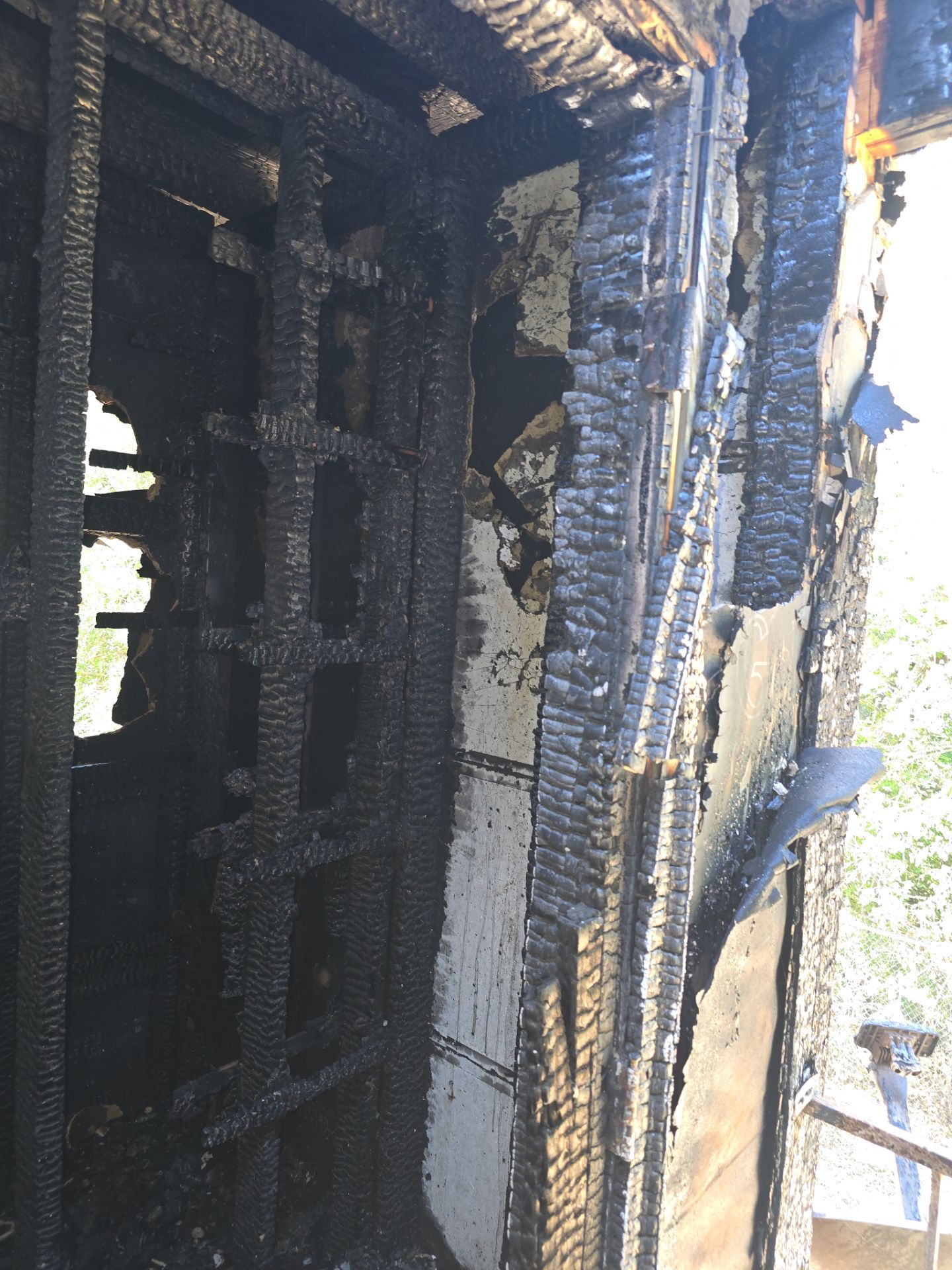
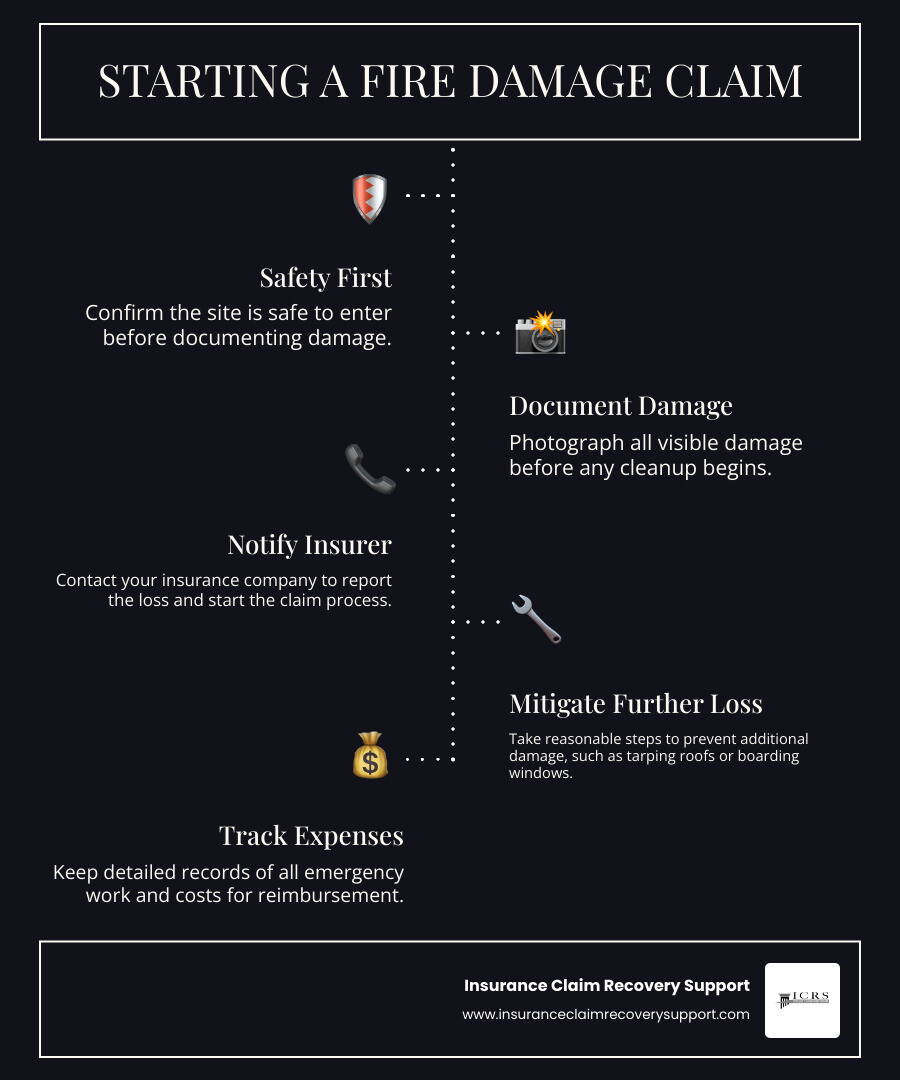
For fire damage in Texas, commercial property owners should first confirm the site is safe to enter, then photograph visible damage before cleanup begins. They should notify their insurer, take reasonable steps to prevent further damage, and keep records of emergency work and expenses. A claim should account for the full repair scope, including smoke, roof and water damage, as well as business interruption or lost rental income when the policy covers those losses.
Wildfires can leave owners of commercial buildings and apartment complexes managing repairs across multiple spaces while operations remain disrupted. Early documentation helps establish what was damaged and supports a more complete claim evaluation. Coverage and settlement outcomes depend on the policy, evidence and circumstances.
Fire damage Texas terms made easy:
Assessing Wildfire Risks and Commercial Fire Damage Texas Properties Face
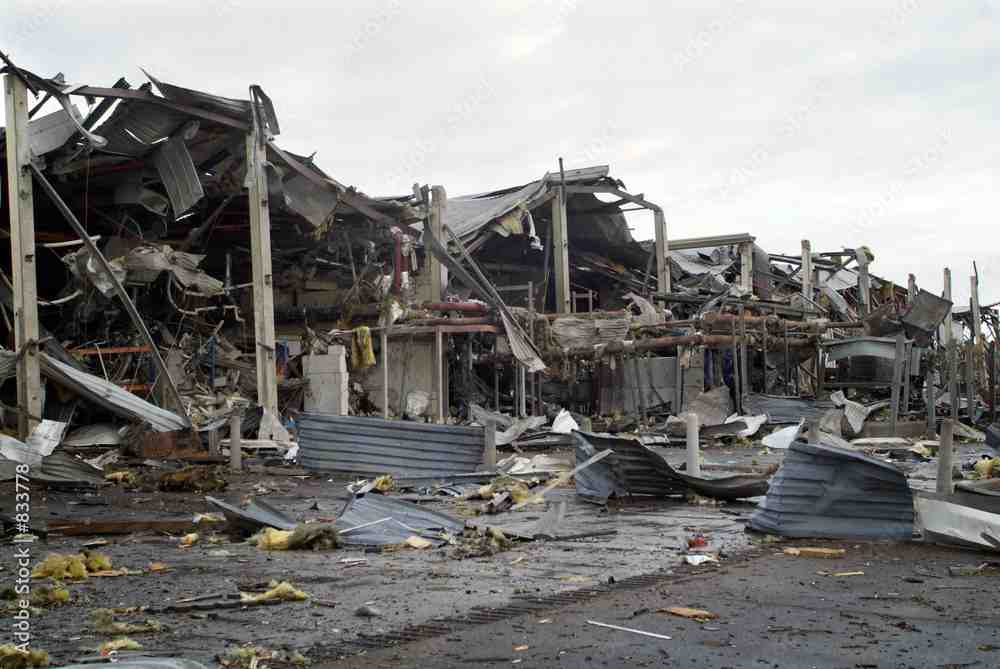
Commercial real estate assets, industrial facilities, and multifamily portfolios across Texas face severe risks from fast-moving wildfires. Proximity to the wildland-urban interface (WUI) leaves properties vulnerable when regional vegetation dries out under persistent heat. Over 30% of Texas regularly experiences abnormally dry conditions, with regions in the Panhandle and North Texas reaching exceptional drought levels.
In North Texas, events such as the Ross Fire burning over 90,000 acres across Palo Pinto and Jack counties illustrate the catastrophic threat to physical infrastructure. That blaze became the second-largest wildfire in North Texas recorded history, destroying 157 structures—including 25 homes—and damaging dozens of commercial outbuildings, agricultural structures, and community properties like the historic Worth Ranch. Whether evaluating industrial parks in Fort Worth or commercial facilities near Austin and San Antonio, understanding regional fire behavior is vital for protecting asset value.
Lessons from North Texas and Panhandle Wildfires
The scale of recent blazes demonstrates that fire recovery requires specialized operational planning. The Smokehouse Creek Fire, the largest wildfire in Texas history, burned over 1 million acres across the Panhandle, destroying over 50 homes in Canadian and claiming more than 15,000 head of cattle with an estimated economic impact exceeding $1 billion.
Examining wildfire recovery in the Texas Panhandle shows that utility disruptions, supply-chain delays, and widespread agricultural losses compound physical building damage. Commercial operators dealing with Panhandle Texas fire risks must account not only for direct flame damage but also for perimeter fencing destruction, tenant displacement, and months of logistical bottlenecks during regional reconstruction.
Hidden Building Envelope and Environmental Hazards
Direct flame impact is often only a fraction of total commercial property loss. Radiant heat, thermal shock, and dense smoke plumes can compromise critical structural components without charring them completely:
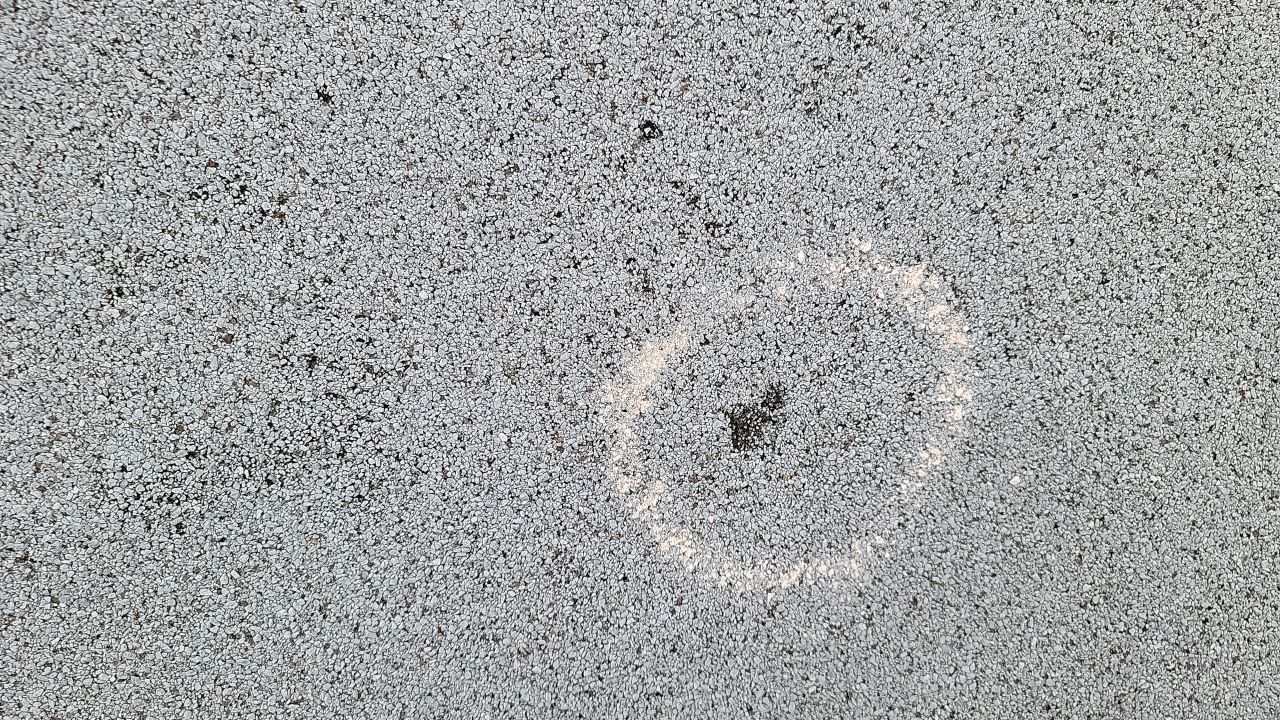
- Building Envelope Failures: Thermal expansion warps structural steel, cracks exterior masonry, and compromises low-slope roof membranes (such as TPO, EPDM, and modified bitumen).
- HVAC and Duct Contamination: Smoke particulates, soot, and toxic volatile organic compounds (VOCs) enter mechanical ventilation systems, requiring comprehensive duct decontamination or complete equipment replacement.
- Secondary Moisture and Microbial Growth: High-volume water suppression efforts leave gallons of standing water inside wall cavities, rapidly triggering fire mold growth within 24 to 48 hours.
- Hazardous Materials Disturbance: High heat disturbs insulation and acoustic surfacing, leading to hazardous asbestos from fire hazards that require certified abatement protocols before rebuilding can begin.
Essential Immediate Action Plan for Large-Loss Property Owners
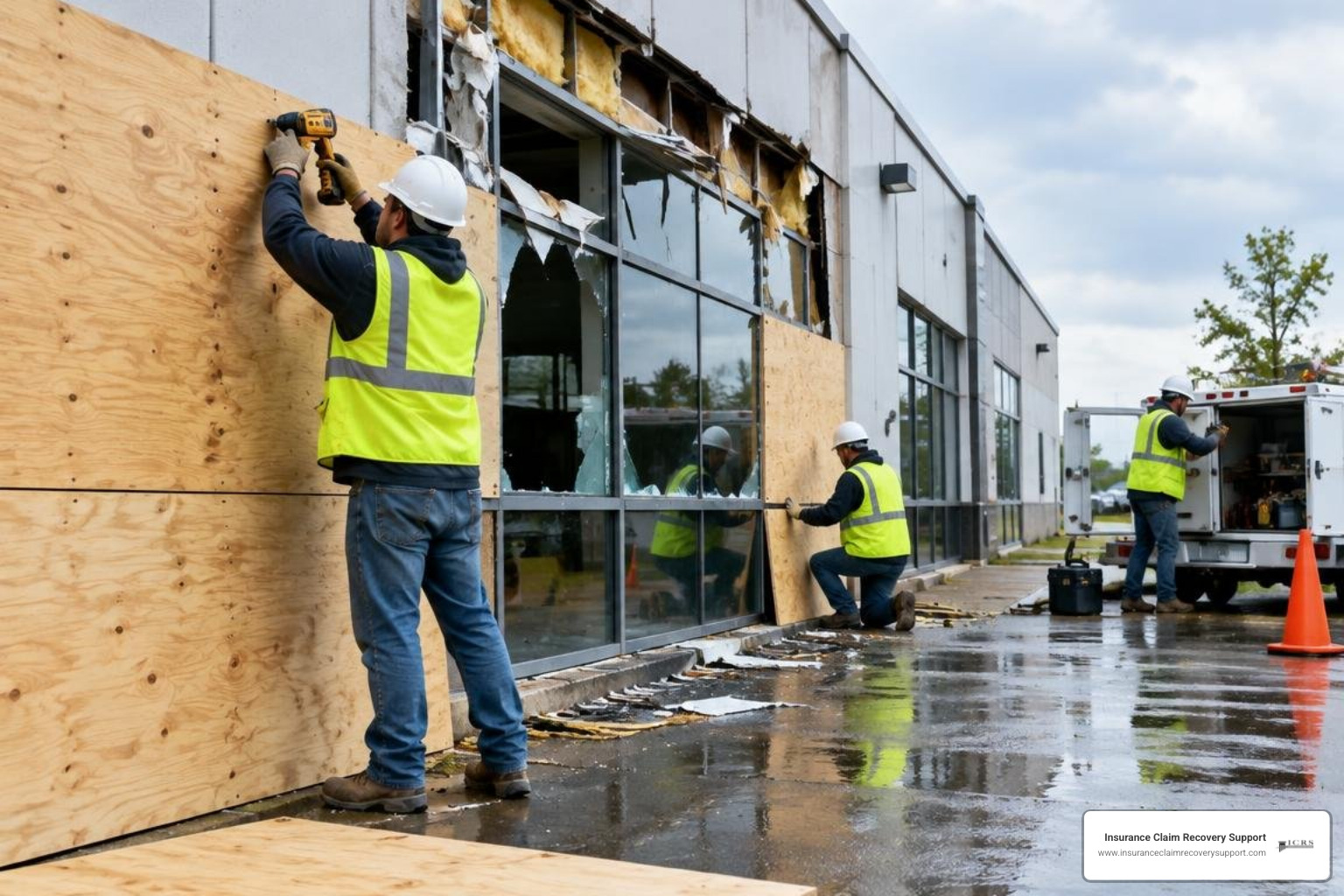
Commercial building owners and property managers have an affirmative duty under their insurance contracts to mitigate losses and protect the property from further deterioration. Establishing an organized immediate action plan ensures policy compliance while preserving the chain of custody for all physical evidence.
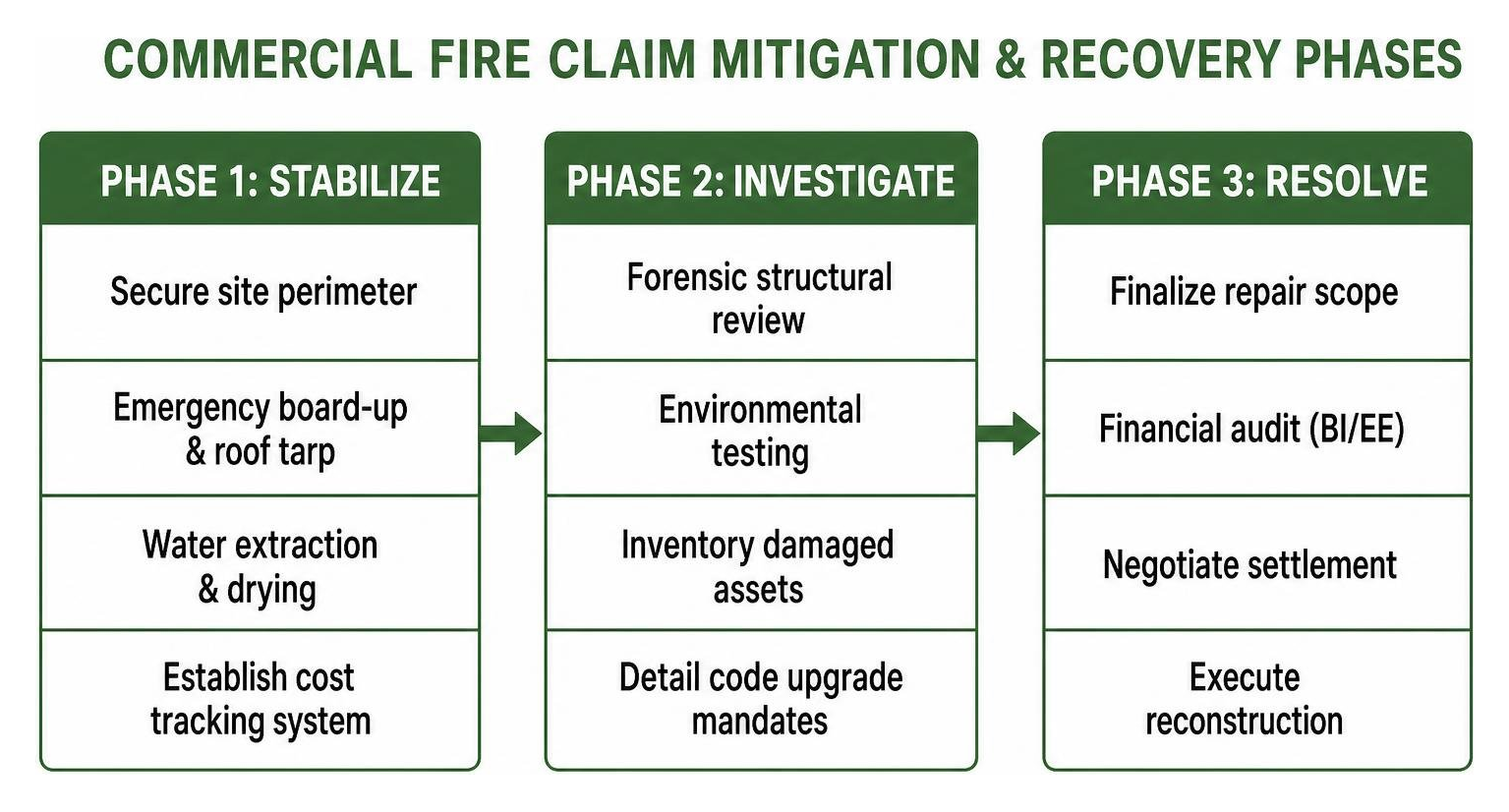
Initial Stabilization and Mitigation Protocols
Stabilizing the site must begin as soon as civil authorities release the property. Commercial operators must avoid authorizing demolition or permanent alterations before the insurer conducts an initial inspection:
- Secure the Perimeter: Install temporary security fencing and window board-ups to prevent trespassing, theft, or vandalism.
- Weatherproof Openings: Execute professional roof tarping and seal structural breaches to prevent secondary rain and wind intrusion.
- Establish Temporary Utilities: Restore temporary power and commercial dehumidification equipment to arrest active moisture damage.
- Select Qualified Vendors: Utilize a fire mitigation companies due diligence checklist to ensure contractors provide itemized billing, moisture logs, and daily work records rather than broad lump-sum invoices.
- Implement Cost Tracking: Establish dedicated accounting codes for all emergency mitigation, security, and board-up expenses.
Navigating Complex Commercial Fire Damage in Texas Insurance Policies
Commercial property insurance contracts contain rigorous conditions, strict proof-of-loss deadlines, and complex coverage tiers. When filing a complex fire insurance claim, policyholders must coordinate multiple coverage sections, including real property, business personal property, and tenant improvements and betterments.
For multifamily assets, managing apartment fire complexities involves navigating tenant relocation, continuous lease enforcement, and building-wide safety compliance. Commercial building owners and multifamily property managers must closely monitor insurer communication for reservation of rights letters, which signal that the carrier is investigating potential coverage exclusions or limitations.
Comprehensive Valuation and Business Interruption Recovery
An accurate settlement demand requires detailed forensic valuation rather than rough contractor estimates. Insurance companies frequently apply heavy depreciation or limit structural repair scopes to surface cleaning rather than total replacement of compromised materials.
| Loss Category | Financial & Operational Documentation Required | Primary Insurer Dispute Points |
|---|---|---|
| Direct Structural Damage | Detailed Xactimate line-item estimates, engineering reports, thermal imaging | Scope of repair vs. replacement, uncharred smoke damage, roof membrane integrity |
| Code & Ordinance Upgrades | Local municipal building codes, written mandates from city inspectors | Exclusions for non-damaged building portions, baseline policy limit caps |
| Business Interruption (BI) | 24–36 months of historical P&L statements, tax returns, operating budgets | Projected revenue disputes, market trend deductions, duration of restoration |
| Extra Expense (EE) | Invoices for temporary relocation, leased equipment, expedited shipping | Necessity of expenses, failure to mitigate continuing operating costs |
| Rental Income Loss | Active tenant leases, rent rolls, lease abatement notices, collection histories | Tenant default risk assumptions, market vacancy rate adjustments |
Documenting Structural Losses and Code Upgrades
A complete repair scope must reflect modern building materials, local labor rates, and municipal construction requirements. When rebuilding after a major fire, local jurisdictions often mandate full compliance with updated building codes, energy standards, and ADA requirements.
- Ordinance or Law Coverage: Essential for funding mandated updates to undamaged portions of the structure when municipal codes require full-building upgrades if damage exceeds specific thresholds (often 50%).
- Engineering Assessments: Independent structural, electrical, and mechanical engineers must evaluate thermal deflection in structural framing, load-bearing capacities, and foundation integrity.
- Line-Item Scoping: Claims should be built using standardized unit-price databases (such as Xactimate) that account for realistic commercial construction schedules, general contractor overhead and profit (O&P), and regional labor shortages.
Calculating Business Interruption and Extra Expense
Business interruption (BI) and extra expense (EE) coverages protect cash flow while physical repairs occur. Policyholders must demonstrate the net income the business would have earned had no fire occurred, plus continuing operating expenses such as debt service, insurance, and key management payroll.
For commercial landlords, gross earnings loss calculations must account for tenant rent abatement provisions, lost common area maintenance (CAM) recoveries, and extended periods of indemnity that allow income to stabilize after physical rebuilding concludes.
Coordinating Agency Relief and Expert Insurance Claim Advocacy
Large-scale Texas wildfires trigger coordinated responses between state entities, emergency responders, and federal recovery programs. Staying informed through state updates on human-caused wildfires helps commercial property owners track regulatory declarations and regional recovery efforts.
State Resources and Land Rehabilitation Programs
The Texas A&M Forest Service coordinates suppression operations and assists landowners with post-fire land management. Property owners can submit a Post Fire Assistance Request Form to receive evaluations on:
- Suppression Rehabilitation: Repairing fire containment lines and dozer cuts constructed during active firefighting.
- Erosion Control: Implementing stabilization methods to protect drainage infrastructure, parking lots, and building foundations from post-fire runoff.
- Soil and Vegetation Recovery: Technical guidance on pasture health, tree stability, and mitigating long-term ecological damage around commercial perimeters.
Overcoming Insurer Underpayment and Advocacy Solutions
When commercial and multifamily policyholders face substantial claim delays, lowball estimates, or a denied insurance claim for commercial property, relying solely on carrier-assigned adjusters often leaves substantial damage uncompensated. Industry reporting in the Insurance Journal highlights ongoing market pressures and claim handling friction across the South Central region. For many major carriers, systemic underpayment, protracted scopes, and procedural delays function as an operational cost of doing business rather than occasional adjusting errors.
Engaging a public insurance claims adjuster for fire damage balances the process. A licensed public adjuster conducts an independent investigation, audits the policy, quantifies structural and financial losses, and leads direct settlement negotiations on behalf of the commercial policyholder.
Frequently Asked Questions About Texas Fire Damage Recovery
What initial steps should commercial owners take after a Texas wildfire?
Property owners must secure the site perimeter, establish temporary weatherproofing, and document all visible and hidden damage with high-resolution photos and video before altering the scene. They must notify their insurer in writing, preserve all business financial records, and track every dollar spent on emergency stabilization.
How do state and federal disaster grants affect commercial insurance claims?
Federal grants, such as FEMA Fire Management Assistance Grants, primarily reimburse state and local agencies for emergency response and firefighting costs. Commercial property owners cannot duplicate benefits; insurance proceeds serve as the primary recovery source for private commercial real estate, with grant programs applying only to specific uncovered municipal infrastructure.
When is it necessary to engage a public insurance claims adjuster?
Commercial owners, asset managers, and multifamily operators should consider retaining a public adjuster when property damage exceeds $250,000, when business interruption losses are complex, or when the insurance carrier disputes the scope of structural repairs. Early professional intervention prevents documentation gaps and expedites settlement negotiations.
Conclusion
Recovering from extensive fire damage in Texas requires thorough documentation, strict adherence to policy conditions, and precise financial accounting. Commercial building owners and multifamily operators must take proactive control of their claims from day one to protect long-term asset value and operational solvency.
Insurance Claim Recovery Support LLC represents policyholders in qualifying large-loss commercial claims of $250,000 or more after the deductible across Texas, including Austin, Dallas-Fort Worth, San Antonio, Houston, Lubbock, San Angelo, Amarillo, Lakeway, Georgetown, and Waco. To evaluate your loss, schedule a commercial property claim review with our licensed public adjusting team. If you need immediate assistance with an ongoing loss, visit our claim help portal. Call anytime—our trained insurance claim AI assistant is available 24/7 to answer claim questions, share helpful resources, and collect information for our team. A team member will follow up during business hours.