Public-adjusting services for Texas policyholders. Learn what a public adjuster does, what services are included and what to review before signing a written agreement. Insurance Claim Recovery Support LLC (ICRS) provides paid services exclusively for policyholders. This guide explains public-adjusting services and the questions that matter before you hire anyone.
How ICRS helps policyholders
- ICRS: A public-adjusting business that exclusively represents policyholders. Its service options include large-loss representation for qualifying claims of $250,000+ after deductible and paid Claim Navigator strategic guidance for claims under $250,000, with the option for full representation when appropriate.
Verify the individual or firm you would actually hire. An association listing or recognizable brand is not a substitute for checking licensing, relevant experience and the proposed contract.
Property damage claim support
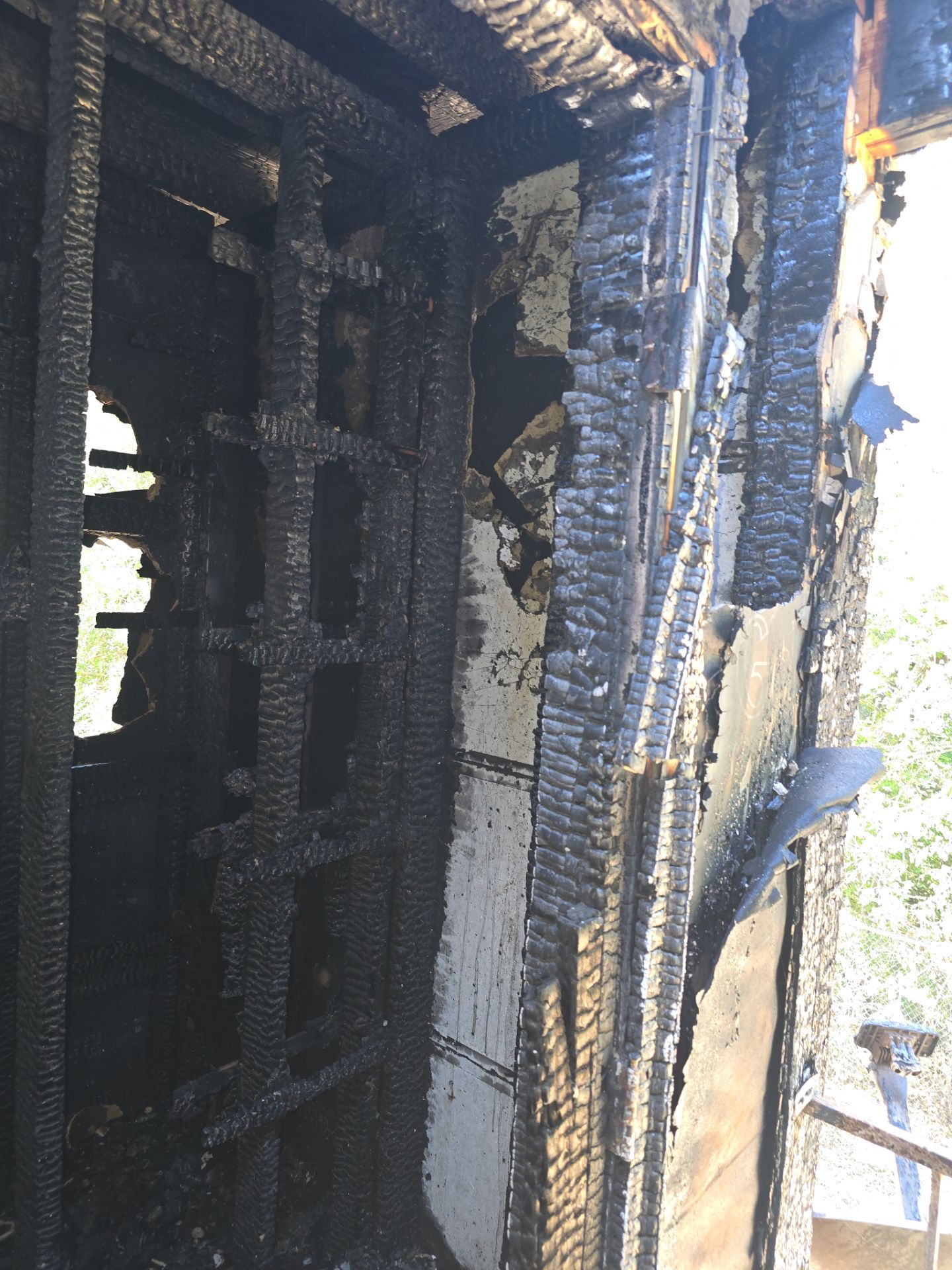
Compare the work each proposed team will perform on your claim. For a commercial building, apartment portfolio, HOA, church, school or high-value custom home, ask who will inspect and document the damage, organize the valuation and communicate with the insurer. For a fire, hail, wind, water, freeze or flood loss, ask for relevant documented examples and how building damage and financial impacts will be evaluated under your policy.
ICRS focuses on policyholder claim documentation and representation. A useful comparison is the proposed scope, the people responsible for the file, the communication plan and the fee agreement—not an unsupported promise about a settlement.
Confirm the current public-adjuster license through the Texas Department of Insurance, request relevant references, and ask what services and fees the written agreement covers.
Which ICRS service fits your claim?
Claims $250,000+ after deductible: large-loss representation
Qualifying property claims may fit ICRS contingency representation. We review the property damage, policy and claim status to determine whether an engagement is appropriate. Consultation and contingency representation fees depend on the service and written agreement. Start a large-loss claim review.
Claims under $250,000: paid Claim Navigator strategic advice
Claim Navigator provides strategic insurance claim guidance for claims under $250,000, with the option for full representation when appropriate. It is a paid consultation service. The money-back guarantee is subject to the actual published terms and conditions. Review what the consultation includes before booking. See Claim Navigator’s service and booking options.
The $250,000 threshold describes ICRS service fit; it does not establish another firm’s acceptance criteria or the value of your claim. ICRS provides paid public adjusting services. Consultation and contingency representation fees are governed by the applicable written agreement.
Six questions to ask before hiring a public adjuster
- Who represents me? Confirm the contracting entity, assigned adjuster, applicable license and who handles day-to-day communication.
- Have you handled this property and loss type? Request documented examples relevant to your building, damage and portfolio.
- What work is included? Ask about inspections, estimates, contents, code-related issues, business interruption and coordination with independent specialists where applicable.
- How are fees calculated? Ask how the agreement treats existing payments, supplemental recovery, deductibles, consultation fees and third-party expert costs. Compare the written terms rather than assuming every firm’s fee is identical.
- How will we make decisions? Ask for the communication plan, document requirements, responsibilities and handling of deadlines.
- What can you demonstrate? Distinguish documented prior results from promises. No public adjuster can guarantee a particular settlement or an identical outcome.
Read documented ICRS claim examples
- 24-unit apartment fire and business-interruption case: the published example explains how building damage and income-loss components were presented together.
- Multifamily freeze and water portfolio case: the published example describes a property-by-property review that identified missed damaged units.
- Church hail case: the published example describes roof and interior damage documentation.
These are ICRS portfolio examples, not a head-to-head performance comparison. Prior results do not guarantee a similar outcome. Every claim depends on its policy, facts, damage, documentation and other circumstances.
Frequently asked questions
Who does ICRS represent?
ICRS exclusively represents policyholders in property damage insurance claims. Its services include qualifying large-loss representation and paid Claim Navigator strategic guidance for claims under $250,000, with the option for full representation when appropriate.
Can I ask for advice before choosing full representation?
ICRS Claim Navigator is a paid strategic guidance option for claims under $250,000. Review the published consultation scope and guarantee terms, including the option for full representation when appropriate. For qualifying losses of $250,000+ after deductible, use the large-loss review route.
Choose the next step for your property claim
For complex commercial, multifamily or high-value property damage, tell ICRS about your claim. For strategic advice on a claim under $250,000, review Claim Navigator. We exclusively represent policyholders.
Sources and verification
General educational information, not legal advice. Review your policy and the actual proposed contract. Company names belong to their respective owners. Services and directory information may change.