Hail Damage on a Flat Roof: If your property has just endured a hailstorm, it’s crucial to check your flat roof for any signs of damage immediately. Hail can cause punctures, dents, and even cracks that may lead to leaks or more expensive repairs down the road. Early detection and swift action are your best allies in mitigating the potential consequences and reducing long-term costs.
Hailstorms are unpredictable and can be incredibly destructive, especially for flat roofs. The immediate aftermath of a hailstorm demands a proactive approach to inspect and secure your roofing systems. Whether you oversee a commercial building, school, or healthcare facility, understanding the urgency of roof inspections following a hail event is critical. Even small hailstones, often disregarded, can cause substantial damage to flat roofing materials like TPO or EPDM membranes.
Immediate actions after a hailstorm should include a thorough inspection of the roof by a professional. This step is vital to identify both obvious and subtle damage that hail can inflict. Delaying this can lead to exacerbated issues, where minor repairs can turn into major expenses. Immediate inspection aids in documenting the extent of the damage for insurance purposes and helps in strategizing the necessary repairs to prevent further degradation of the roof’s integrity.

Recognizing Hail Damage on Your Flat Roof
Identifying hail damage on a flat roof can be tricky. Unlike sloped roofs, where damage may be more apparent, flat roofs require a closer look to spot the signs of hail impact. Here’s how you can recognize hail damage:
Visual Signs
Firstly, look for obvious visual signs on the surface of the roof. This includes:
- Dents and Pits: Similar to what you might see on a car after a hailstorm, these can be evident on metal flashings or roof coverings.
- Cracks: Hailstones can cause splits or cracks in the roofing material, which are often easier to spot.
- Punctures: Larger hailstones might puncture the roofing material, especially if it’s aging or already weakened.
Dimpled Insulation
If your roof has insulation layers beneath the surface material, hail can leave dimpled or depressed areas. These might not be visible on the surface but can be felt as softer spots when walking on the roof or seen during a detailed inspection.
Cracked Membranes
For roofs with membrane coverings like TPO or EPDM, look for cracks or tears in the membrane. These materials can be resilient, but large or sharp hailstones can still cause significant damage.
Water Pooling
After a hailstorm, check for new areas of water pooling. Hail can create depressions on the roof where water collects, which might not have been present before the storm.
Types of Flat Roofing Systems and Their Vulnerability
Different types of flat roofing systems have varying levels of vulnerability to hail damage:
- TPO Membranes: These are generally durable but can be punctured by large hailstones. The smooth surface makes it easier to spot hail impacts.
- EPDM Membranes: Known for high flexibility and durability, EPDM can resist smaller hail but might be damaged by hailstones over 2½“ in diameter.
- BUR Membranes (Built-Up Roofing): These consist of multiple layers and can absorb hail impact better than single-layer systems. However, the top layer can still show signs of hail damage.
How Hail Size and Frequency Affect Damage
The size and frequency of hailstones play a critical role in the extent of damage:
- One Inch Diameter: Hailstones of this size can start to damage weaker roofing materials and aged roofs.
- Pea Size: Smaller hailstones generally cause less damage but can still affect the aesthetic and outer coating of the roofing material.
- Frequency Impacts: Repeated hail exposure can weaken the roofing structure over time, even if individual storms do not cause visible damage.
Understanding the type of your flat roofing system and the signs of hail damage are crucial steps in maintaining the integrity of your roof. Regular inspections, especially following severe weather, are key in catching and addressing hail damage early. This proactive approach not only preserves the lifespan of your roof but also ensures that your property remains protected against the elements. The next steps after recognizing hail damage involve documenting the damage in detail and contacting your insurance company to discuss claim possibilities.
Immediate Steps After Detecting Hail Damage
After you’ve identified hail damage on your flat roof, it’s important to act quickly to mitigate any further damage and begin the process of filing an insurance claim. Here’s what you need to do immediately:
Documenting the Damage for Insurance Claims
Photographic Evidence:
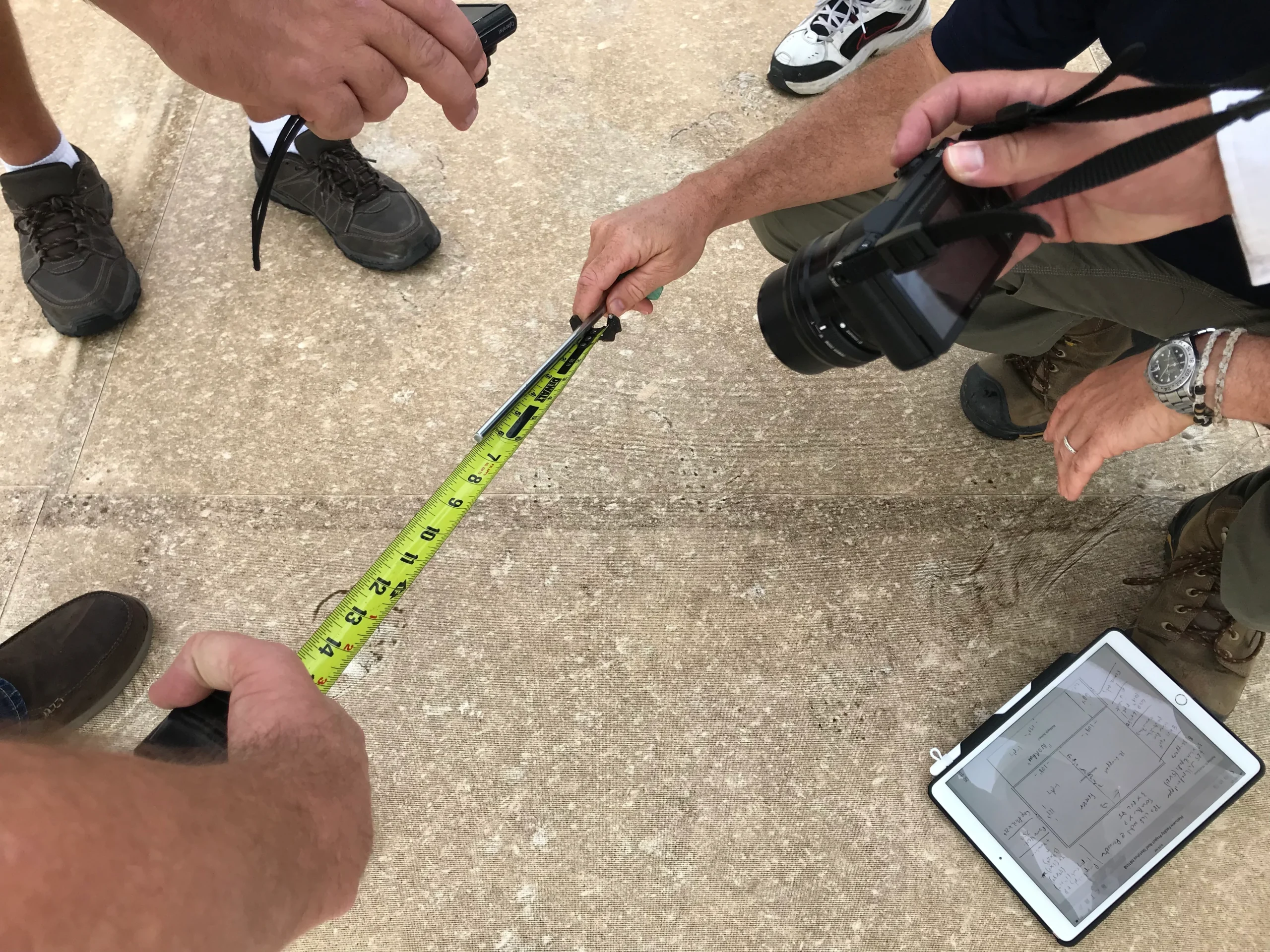
As soon as it is safe to do so, take detailed photos of the hail damage. Capture all affected areas of the roof, including any visible marks on the roofing material and adjacent structures like vents or air conditioning units. It’s helpful to include a common object such as a coin or a ruler in the photo to provide scale to the hail indentations.
Detailed Notes:
While taking photos, make detailed notes about each area of damage. Record the date of the storm and the time you noticed the damage. Note the size of the hail if possible, and any immediate effects you’ve observed (like leaks). These notes can be crucial in discussions with your insurance provider as they paint a clear picture of the impact.
Immediate Reporting:
Don’t delay reporting the damage to your insurance company. The sooner you inform them, the quicker they can process your claim. Immediate reporting also helps in proving that the damage was indeed caused by the recent storm, which is essential for the claim approval.
Contacting Your Insurance Company
Claim Process:
Contact your insurance provider to initiate the claim process. Provide them with the initial evidence you’ve gathered and request an inspection. Most insurers will send an adjuster to examine the extent of the damage and confirm your claim details.
Insurance Adjuster’s Role:
The adjuster’s job is to assess the damage and determine the amount that the insurance company will pay for the repairs. It’s important to have all your documentation ready for their visit. This includes photos, notes, and any receipts for immediate repairs you may have conducted to prevent further damage.
Kirberg Inspection Advantage:
If you’re working with a contractor like Kirberg for your roof inspection, they can offer a detailed report that might be more in-depth compared to standard adjuster reports. Contractors specializing in roofing have the expertise to identify less obvious damage that can be missed by insurance adjusters. This can be crucial in ensuring that all necessary repairs are covered by your claim.
By following these immediate steps after detecting hail damage on your flat roof, you can ensure a smoother claim process and quicker recovery from the damage. Make sure to cooperate fully with your insurance provider and roofing contractor to restore your roof to its optimal condition.
Repair Options for Hail Damaged Flat Roofs
After identifying hail damage on your flat roof, the next critical step is to consider your repair options. Repairing hail damage promptly can prevent further complications, such as leaks or structural weaknesses.
Choosing the Right Repair Service
Professional Repairs
For most property owners, the best route is to seek professional repairs. Professionals have the tools, skills, and materials to ensure repairs are done correctly and efficiently. When choosing a contractor, ensure they have a solid track record with hail damage repairs specifically on flat roofs. This expertise is crucial because flat roofs have unique challenges and vulnerabilities.
DIY Fixes
While DIY fixes might seem cost-effective, they’re generally not recommended for hail damage. This type of damage can be extensive and sometimes not visible to the untrained eye. Improper repairs can lead to more significant issues, including voiding warranties or failing to comply with local building codes.
Long-term Solutions
Considering long-term solutions during the repair process is wise. This might include upgrading materials to more durable options or enhancing drainage systems to better manage heavy rainfall and prevent water pooling.
Contractor Qualifications
Always check the qualifications of any contractor you consider hiring. They should be licensed, insured, and have good reviews or references from similar projects. Certifications in roofing repair and a portfolio of previous work can also be indicators of reliability and quality.
Material Selection
The choice of materials can significantly impact the longevity and resilience of your roof. For flat roofs, materials like TPO (Thermoplastic Polyolefin) and EPDM (Ethylene Propylene Diene Monomer) are popular because they are robust and hail-resistant. Your contractor can advise on the best materials based on your local climate and roof configuration.
Cost Considerations
Finally, cost is a significant factor in any repair decision. Obtain several estimates to compare costs. However, don’t choose based solely on price. Consider the quality of materials, the scope of repairs, and the contractor’s expertise. Sometimes, spending a bit more upfront can save money in the long run by avoiding repeated repairs.
Choosing the right repair service for hail damage on your flat roof involves considering the severity of the damage, the expertise of the contractor, and the quality of materials. Opting for professional repairs and considering long-term solutions will ensure your roof remains in good condition, protecting your property for years to come.
Preventative Measures to Protect Against Future Hail Damage
Enhancing Roof Resilience
Rigid Insulation Boards
One effective way to enhance the resilience of your flat roof against hail damage is by installing rigid insulation boards. These boards add an extra layer of protection, absorbing the impact of hailstones and reducing the risk of damage to the underlying roofing materials. They are particularly beneficial for flat roofs where the direct impact of hail can be more damaging due to the lack of slope.
Regular Maintenance
Regular maintenance is crucial to ensure your flat roof remains in good condition and is less susceptible to hail damage. This includes:
- Cleaning debris: Remove leaves, branches, and other debris that can accumulate and retain moisture.
- Inspecting for wear and tear: Check for cracks, blisters, and other signs of aging that could make the roof more vulnerable to hail.
- Ensuring proper drainage: Keep drainage systems clear to prevent water pooling, which can exacerbate hail damage.
Roofing Materials Upgrade
Upgrading your roofing materials can significantly increase your roof’s resistance to hail. Consider materials that are rated for high impact resistance, such as:
- Rubber roofing: EPDM (ethylene propylene diene monomer) is durable and somewhat resistant to hail.
- Modified bitumen: This asphalt-based roofing is tough and less likely to be punctured by hail.
Impact-Resistant Materials
Using impact-resistant materials is a proactive approach to prevent hail damage on a flat roof. Materials classified under UL 2218 Class 4, the highest rating for roofing material impact resistance, can withstand larger hailstones without sustaining damage. These materials may include certain types of metal roofing or specially designed shingles that are tougher and more durable.
Regular Inspections
Scheduling regular inspections with a professional roofing contractor can help catch potential vulnerabilities before they turn into major problems. It’s recommended to have your roof inspected at least twice a year, especially before and after the hail season. A professional can identify areas that need repairs or reinforcement to withstand future hail storms.
Proactive Repairs
If an inspection reveals minor damage or wear, addressing these issues promptly can prevent them from becoming serious. Proactive repairs might include patching small punctures or reinforcing areas around rooftop equipment and edges where hail impact is more likely.
By implementing these preventative measures, you can significantly reduce the risk of hail damage on a flat roof and ensure it remains in optimal condition for longer. This not only protects your property but can also save you money on costly repairs and potential insurance claims in the future.
Hail Damage and Insurance: Navigating the Claims Process
Navigating the insurance claim process after experiencing hail damage on a flat roof can be complex. Understanding your coverage and how to maximize your claim are critical steps to ensure you receive the settlement you deserve.
Understanding Your Coverage
Before you file a claim, know the specifics of your insurance policy. Here’s what you should look at:
-
Policy Details: Review the details of your policy to understand what types of damage are covered. Some policies might cover the damage to the roof itself, while others may include damages caused by leaks.
-
Coverage Limits: Know the maximum amount your policy will pay for hail damage repairs. This is crucial for planning the extent of repairs or replacement you can afford.
-
Exclusions: Be aware of what’s not covered. Many policies exclude cosmetic damage, which is damage that doesn’t impair the function of your roof but affects its appearance.
Understanding these elements helps you set realistic expectations and prepares you for discussions with your insurance provider.
Maximizing Your Insurance Claim
To ensure you get the most out of your insurance claim, follow these steps:
-
Professional Assessments: Have a professional like Insurance Claim Recovery Support assess the damage. They can provide a detailed report that highlights all the damages, which is crucial for your claim.
-
Detailed Claims: When you file your claim, provide detailed information supported by the assessment report. Include photos, descriptions, and any professional evaluations.
-
Advocacy by Insurance Claim Recovery Support: Utilize the expertise of advocates from Insurance Claim Recovery Support. They are experienced in dealing with insurance companies and can help argue your case effectively, ensuring that you receive a fair assessment and compensation.
-
Claim Filing Tips: File your claim as soon as possible after the damage occurs. Delaying the process can sometimes complicate the claims process or affect the outcome.
By following these guidelines, you can navigate the insurance claims process more smoothly and maximize your potential compensation. Detailed documentation and professional support are your best tools in ensuring your claim is handled fairly and efficiently.
In the next section, we will explore repair options for hail-damaged flat roofs, discussing both professional repairs and DIY fixes to help you make informed decisions about restoring your roof’s integrity.
Conclusion
Maintaining the long-term health of your flat roof is crucial, especially after it has sustained hail damage. The integrity of your roof not only protects your property but also ensures the safety of those within the building. That’s why approach hail damage with a thorough and proactive mindset.
The Importance of Professional Assessment
A professional assessment is vital in accurately identifying and evaluating the extent of hail damage on your flat roof. This step is not just about spotting visible signs of damage but understanding the deeper impact that might not be immediately apparent. Professionals use specialized tools and have the expertise to assess damage that could potentially lead to more significant issues if left unchecked.
For instance, undetected water intrusion can weaken the roof structure over time, leading to costly repairs or even a complete replacement. By having experts like those from Insurance Claim Recovery Support conduct a detailed assessment, you ensure that all aspects of the damage are documented and addressed.
Advocacy by Insurance Claim Recovery Support
Navigating the claims process with your insurance company can be daunting. This is where the advocacy of Insurance Claim Recovery Support becomes invaluable. Our team not only helps in accurately documenting the hail damage on your flat roof but also in effectively communicating with your insurance provider to ensure you receive the settlement you deserve.
Our experience with insurance claims means we understand the intricacies of policy details, claim filing, and the negotiation process. We stand by our clients throughout the claim process, advocating on their behalf to maximize their settlement. This support is crucial in ensuring that your claim is not undervalued or denied due to insufficient documentation or misinterpretation of the insurance policy terms.
In conclusion, the health of your flat roof post-hail damage, the precision of professional assessments, and strong advocacy during the insurance claims process are fundamental to restoring and maintaining the integrity of your roofing system. At Insurance Claim Recovery Support, we are committed to guiding you through each step, ensuring your roof is repaired promptly and your insurance claim is handled efficiently. Let us help you protect your investment and get back to business with peace of mind.