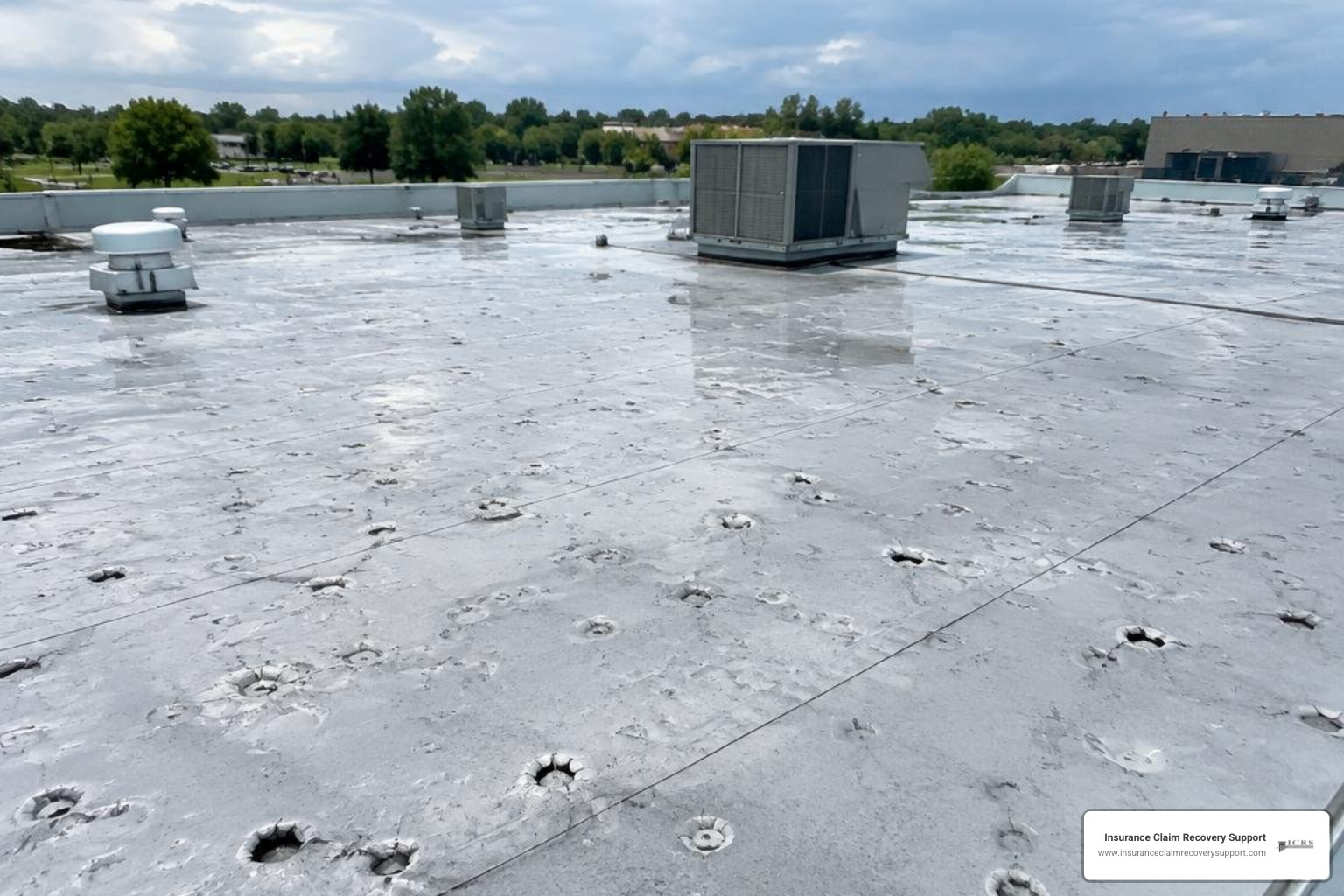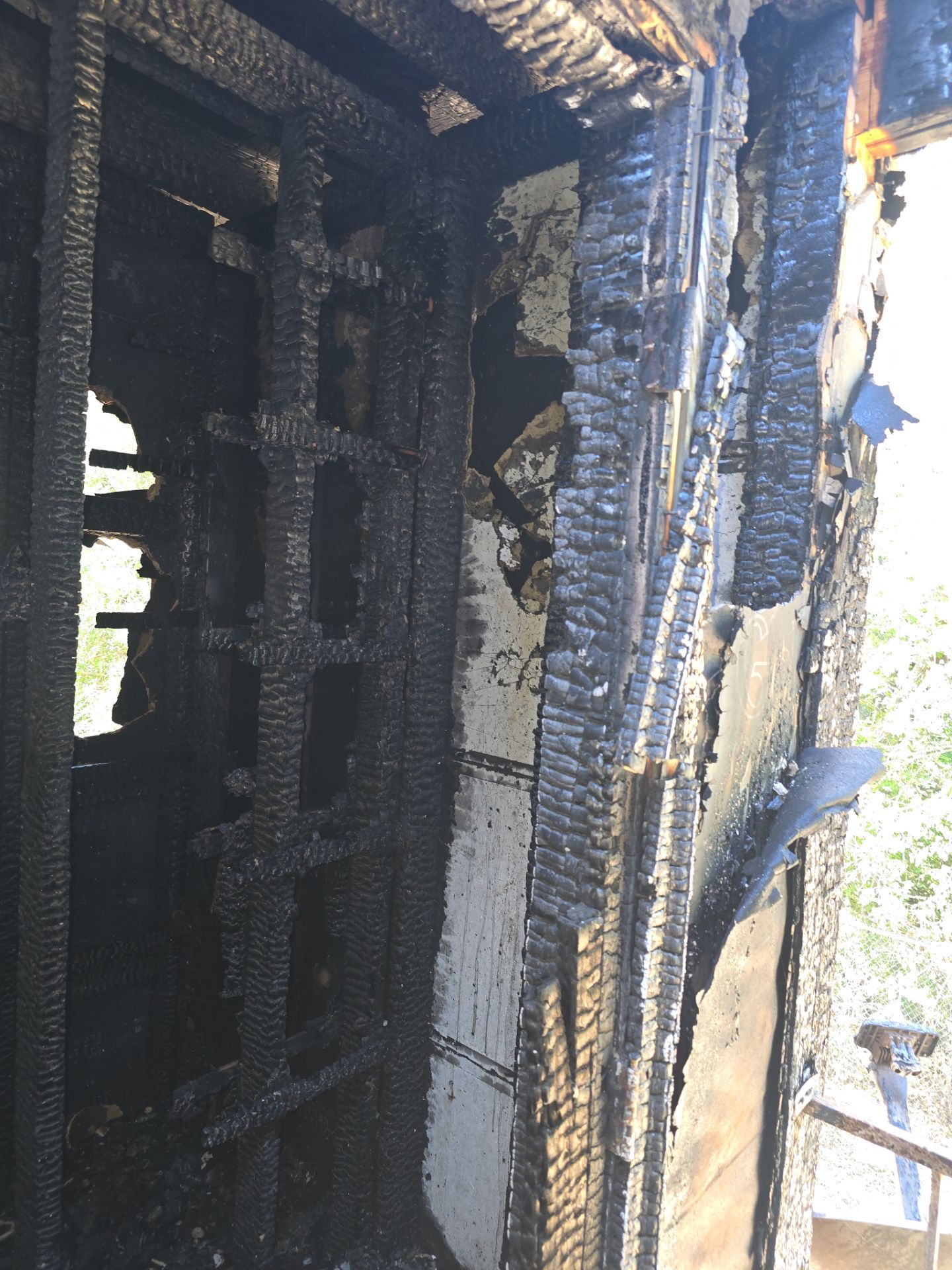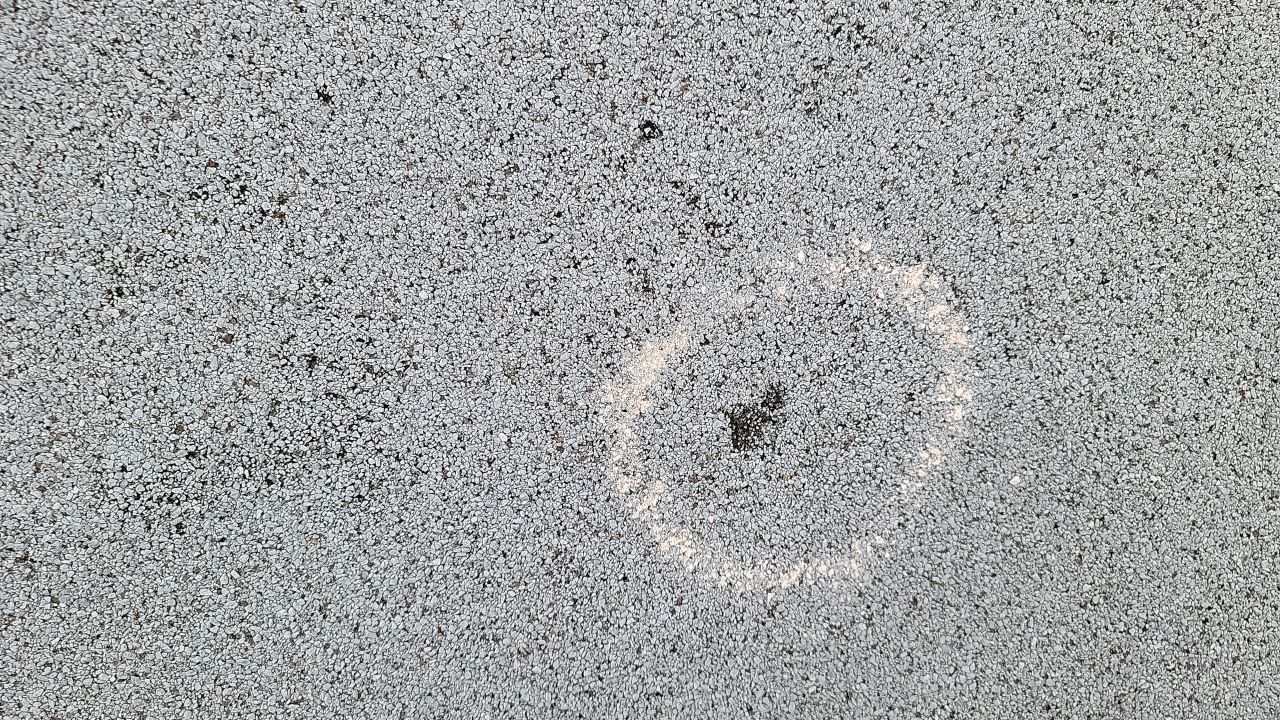
A property claim consultation is easier to use when your documents tell a clear story. You do not need a perfectly assembled binder. You need to show what happened, what the insurer has said, which figures are disputed, and what you want to understand next. This checklist helps Texas property owners prepare without turning the session into a search through an inbox.
Start with a one-page claim summary
Write the property address, reported date of loss, claim number, insurer name, and current claim status at the top of one page. Add a short timeline: when you reported the loss, when the inspection occurred, which estimates arrived, and what response is still outstanding. Distinguish dates supported by a document from dates you are recalling from memory.
Finish with three questions in priority order. For example: “Which roof items differ between the two estimates?” is more focused than “Why is my payment low?” A narrow question makes it easier to identify the next useful document or explanation.
Bring the policy and the written claim response
Include your declarations page, policy forms, and endorsements if available. Bring the insurer’s estimate, payment explanation, requests for information, and any denial or partial-denial letter. Keep the complete files rather than isolated screenshots of a payment total. If something is missing, mark it as missing instead of trying to recreate its wording.
Organize photos and repair records
Group photos by room or building area and keep the original files. Label a copy of each image with a short description so you can quickly connect it to an estimate item. Set aside contractor estimates, inspection findings, mitigation invoices, and temporary-repair receipts. A simple folder structure—policy, insurer, contractor, photos, and expenses—usually works well.
The Texas Department of Insurance’s claim tips emphasize retaining documents, receipts, and notes about communications. Use a contact log with the date, person contacted, subject, and any promised next step.
Make a short list of differences
Compare the insurer and contractor estimates by location and work item. Note an omitted item, a different quantity, or a different proposed repair method. Keep cost disagreements separate from questions about whether the policy covers a particular loss. A contractor’s estimate can support a question, but a higher total alone does not establish coverage or a payment obligation.
Use the existing intake process
Follow the booking confirmation and intake instructions when providing private claim documents. Do not place policy numbers, financial records, or damage files in public comments. If you cannot find a requested document, bring the questions you have and identify the gap at the beginning of the session.
Book focused guidance when you need it
Claim Navigator is a separate $250, 45-minute online advisory consultation for property damage claims under $250,000 after the deductible. The session includes discussion of your materials and prioritized next steps, plus a recording and transcript. It does not include insurer negotiation, claim representation, a separate written strategy report, or ongoing support. Full-service representation requires a separate agreement.
See the Texas Claim Navigator consultation details and preparation guidance before choosing a time. Review the service scope, recording information, and refund terms in the existing booking flow. A consultation does not promise coverage or a particular claim outcome.