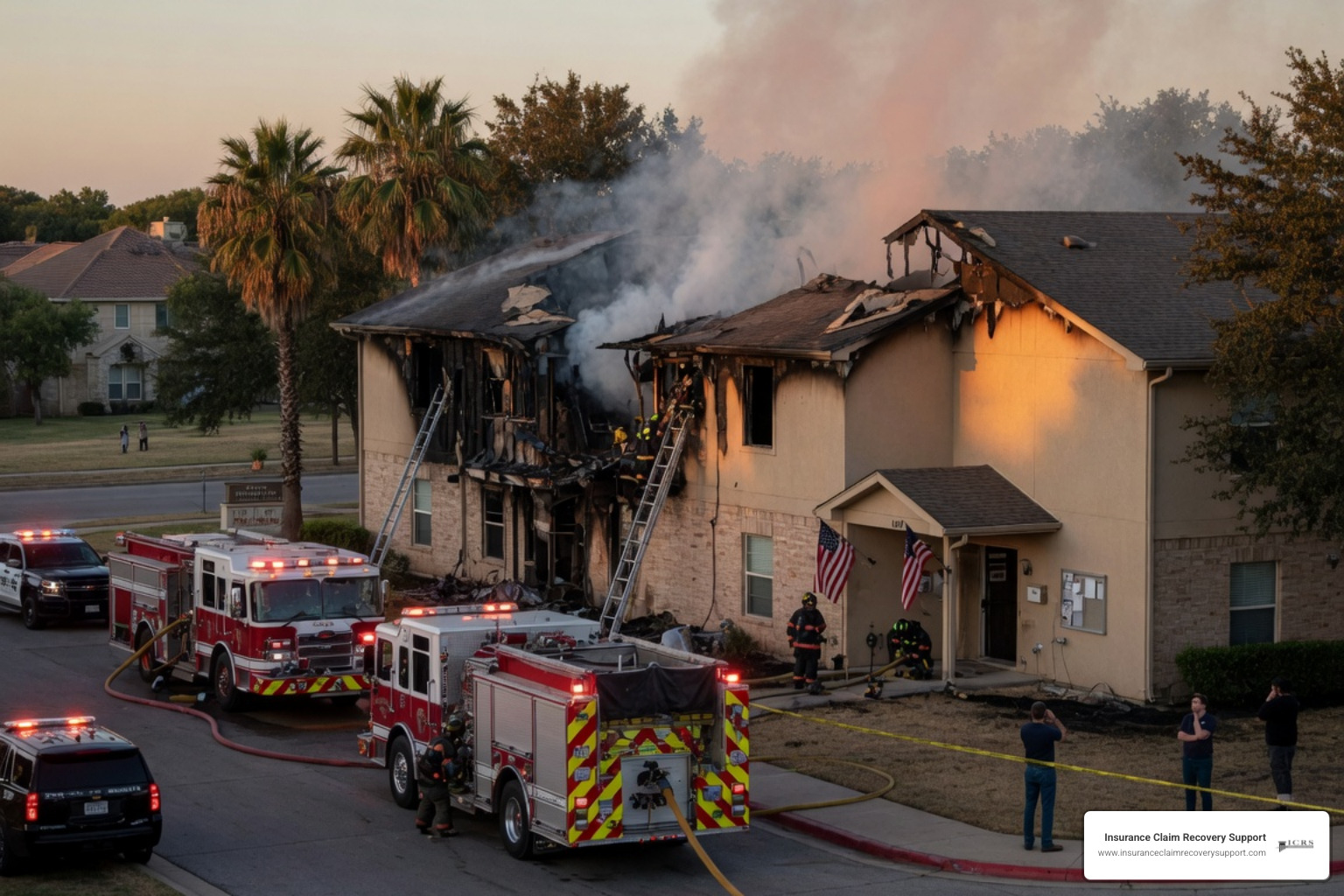
Flooding in Austin Today: What You Need to Know Right Now
Flooding in Austin today is an active, dangerous emergency affecting thousands of residents, commuters, and property owners across the greater Austin metro area. Here’s the fast-facts snapshot if you need immediate answers:
⚡ Current Flooding in Austin — Quick Status Summary
| What | Status |
|---|---|
| 🚨 Flash Flood Warning | Extended through 7 PM for much of the Austin area |
| 🚑 Water Rescues | ~2 dozen by Austin-Travis County EMS in western Travis County |
| ☠️ Fatalities | At least 3 confirmed deaths in Travis County |
| 🔍 Missing Persons | At least 10 missing, including a teenage girl |
| 🌊 Lake Travis Rise | Up more than 11 feet since Friday morning |
| 🛣️ Road Closures | Multiple closures; check atxfloods.com and drivetexas.org |
| 💧 Boil-Water Notice | Active in affected Georgetown neighborhoods |
| 🚫 Highland Lakes | LCRA discouraging all boating and swimming |
The scale of this event is striking. Over a foot of rain fell overnight in parts of Burnet County alone, sending floodwaters tearing through creeks, neighborhoods, and low-water crossings. Mobile homes near Cow Creek off FM 1431 were swept away. Families in Leander and Liberty Hill scrambled to higher ground. And with more than 9,000 buildings sitting inside Austin’s 100-year floodplain, the stakes for property owners — especially commercial and multifamily operators — couldn’t be higher.
This is not a routine weather event. It is a rapidly evolving crisis with real consequences for lives, livelihoods, and property.
I’m Scott Friedson, CEO of Insurance Claim Recovery Support (ICRS) and a multi-state licensed public adjuster with over 15 years of experience handling large-loss flood damage claims for commercial and multifamily property owners across Texas and beyond. I’ve seen how flooding in Austin today and events like it leave property owners overwhelmed, underpaid, and unsure of their next move — and I’m here to help you cut through the confusion.
Key terms for flooding in austin today:
Current Status of Flooding in Austin Today
The situation on the ground is fluid—literally. As we monitor the flooding in austin today, the primary concern remains the rapid rise of local waterways and the saturation of the ground. Travis County has become the epicenter of emergency activity, with Austin-Travis County EMS working tirelessly to reach those stranded by rising waters.
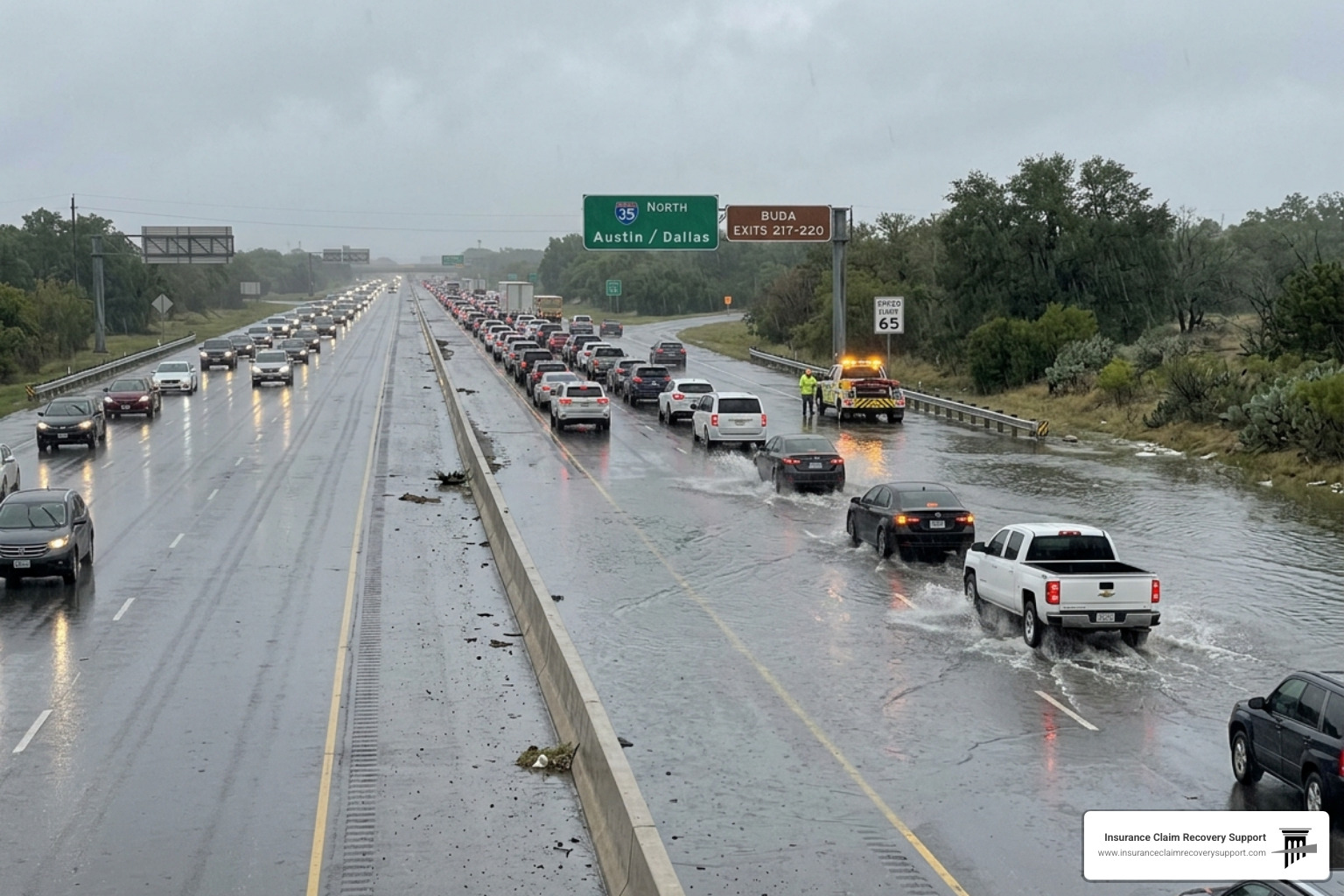
One of the most visible impacts for commuters is on I-35. We’ve seen significant high-water reports on northbound I-35 just north of Buda near FM 1327. Giant puddles have made the right two lanes impassable, forcing cars to back up in the left lane just to squeeze through. This is a classic example of how quickly a major artery can become a bottleneck during a Central Texas deluge.
In western Travis County, the situation is even more dire. Emergency responders have conducted about two dozen water rescues as of Saturday morning. The sheer volume of water has turned normally dry creek beds into raging torrents. Burnet County reported over a foot of rain overnight, which has directly contributed to the rapid stream rises we are seeing downstream in Austin.
According to the National Weather Service, the flash flood warning remains in effect as the region grapples with the aftermath of these heavy rains. This isn’t just a “soaking rain”; it’s a hydrological event that has pushed our infrastructure to its limits.
Impacted Areas and Flooding in Austin Today
While the entire metro area is feeling the damp, certain “hot spots” are bearing the brunt of the damage. If you are near any of the following locations, exercise extreme caution:
- Western Travis County: This area has seen the highest concentration of water rescues.
- Cow Creek off FM 1431: Reports indicate multiple trailer homes have been washed away in this vicinity.
- Liberty Hill: Parts of this area saw up to 15 inches of rain, leading to destroyed bridges and isolated residents.
- I-35 at Buda: Specifically near FM 1327, where drainage has struggled to keep up with the intensity of the downpour.
One of the most significant metrics we track is the level of our Highland Lakes. These lakes serve as both our water supply and our primary flood control mechanism. The contrast between this year and last is staggering.
| Lake | % Full (April 3, 2025) | % Full (April 3, 2026) | Status Change |
|---|---|---|---|
| Lake Travis | 42.4% | 73.7% | Significant Rise (+11ft since Fri) |
| Lake Austin | 96.2% | 97.6% | Near Capacity |
| Lake Georgetown | 67.3% | 76.0% | Moderate Increase |
Lake Travis has risen more than 11 feet since Friday morning alone. While this is a “reprieve” from the drought, it also means the buffer for absorbing more runoff is shrinking. With more than 9,000 buildings currently situated in Austin’s 100-year floodplain and over 300 bridges subject to flooding, the risk to property is widespread.
Weather Forecast and Risk of Flooding in Austin Today
The culprit behind the flooding in austin today is a Pacific low-pressure system that tapped into deep Gulf moisture. This combination created a “perfect storm” for heavy rainfall. Although we had nearly three weeks without measurable rain prior to this, the ground quickly became saturated due to the sheer intensity of the overnight totals.
As we look at the forecast for the coming hours, the NWS alerts suggest that while the heaviest rain may have moved through, the threat of flash flooding persists. Runoff takes time to travel through the basin, meaning creeks like Williamson Creek can continue to rise even after the rain stops falling.
For those managing commercial properties or multifamily complexes, understanding the nuances of flood damage insurance claims is vital during this window. Storm reports are still coming in, and radar monitoring shows scattered activity that could dump additional inches on already vulnerable areas. We are keeping a close eye on the humidity levels and atmospheric stability, as any additional development could trigger secondary flooding.
Emergency Response and Safety Warnings
The city’s response has been swift, but the scale of the event means resources are stretched. Here is what you need to know to stay safe and compliant with local orders:
- Boil-Water Notices: If you are in Georgetown or surrounding affected neighborhoods, a boil-water notice is in effect. Vigorously boil water for two minutes before drinking or cooking.
- Road Closures: Do not trust your GPS alone. Check atxfloods.com for real-time low-water crossing closures.
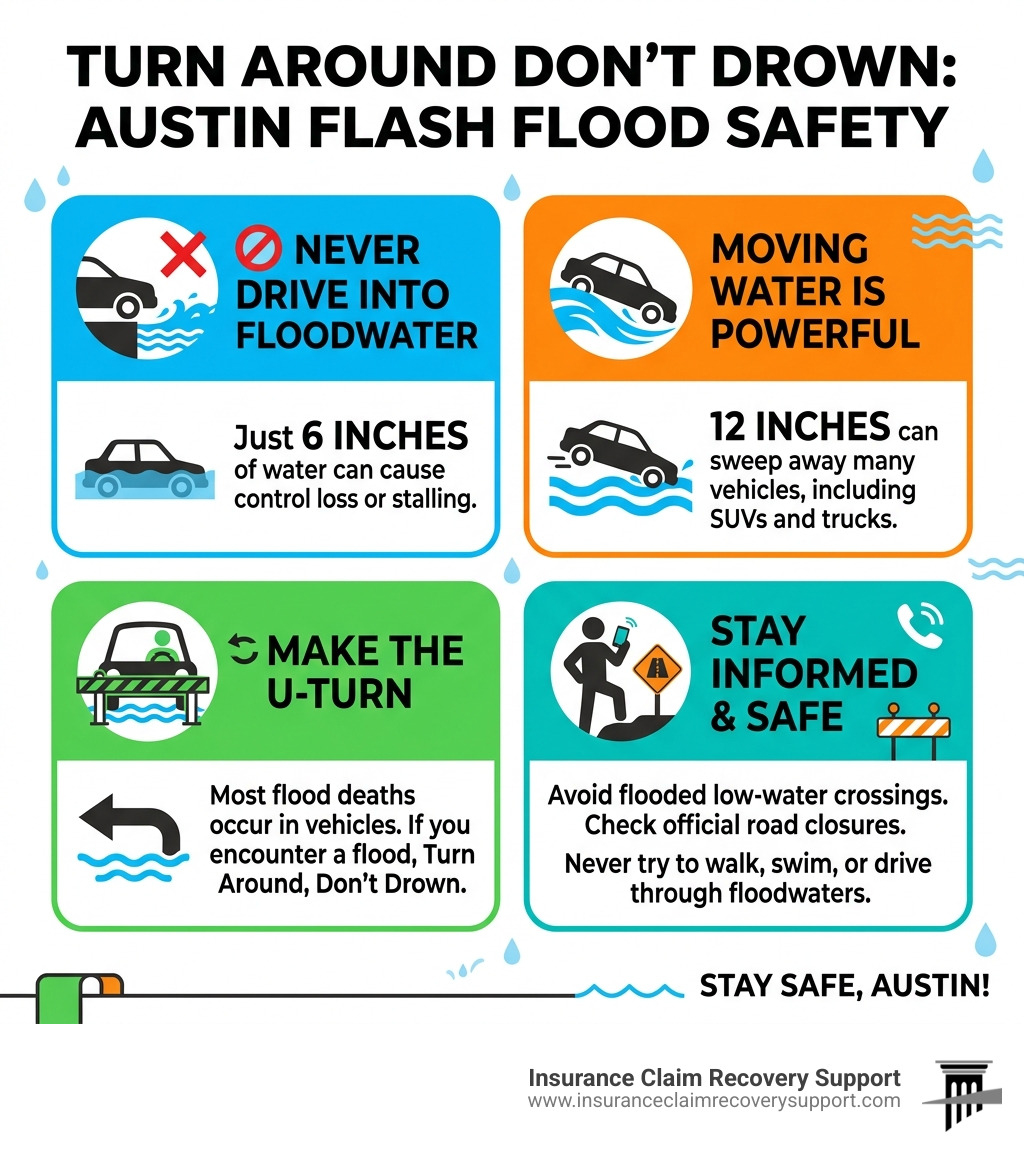
- Swift Water Teams: Multiple teams are deployed across Travis and Williamson Counties. If you see high water, Turn Around, Don’t Drown.
- Highland Lakes Safety: The LCRA has strongly discouraged boating and swimming. The water is full of debris, hidden obstacles, and potentially high bacteria levels from runoff.
Emergency Resources List:
- Road Status: drivetexas.org
- Austin Flood Info: atxfloods.com
- Reporting Damage: Contact 311 or use the Austin 311 app to report drainage or erosion issues.
- FEMA Aid: While a disaster declaration is pending, you can monitor the FEMA website for application instructions if federal aid is unlocked.
Navigating Property Damage and Recovery
For professional property managers and commercial building owners, the flooding in austin today represents more than just a weather event—it’s a major business disruption. Whether you are dealing with a flooded retail center in South Austin or a multifamily complex near a swelling creek, the path to recovery starts with an accurate assessment of the damage.
The City of Austin has been working on various flood mitigation projects, such as the Oak Knoll Flood Risk Reduction project and improvements at Williamson Creek. However, infrastructure takes time to build, and nature often moves faster. With over 9,000 buildings in the floodplain, many owners find themselves facing a complex insurance landscape.
If your property has been hit, you aren’t just looking at wet carpets. You’re looking at potential structural issues, mold remediation, and significant business interruption. This is where a Public Adjuster in Austin, Texas becomes your most valuable asset. Unlike the adjuster sent by your insurance company, a public adjuster works exclusively for you, the policyholder.
Fact vs. Myth: Insurance Claims for Flood Damage
Navigating a flood claim is notoriously difficult because flood insurance is often separate from your standard property policy. Here are the facts you need to know:
- Myth: My standard commercial property policy covers all water damage.
- Fact: Most standard policies specifically exclude “flood” (surface water entering from the ground). You usually need a separate policy through the National Flood Insurance Program (NFIP) or a private flood endorsement.
- Myth: I have to accept whatever the insurance company’s adjuster offers.
- Fact: You have the right to hire your own expert. A Public Claims Adjuster For Flood Damage Near Me can provide an independent valuation of your losses.
Litigation vs. Public Adjustment Many property owners think their only options are to accept a low settlement or sue the insurance company. This isn’t true. Litigation is expensive, slow, and adversarial. At ICRS, we focus on a 90% settlement success rate without unnecessary lawsuits. We use a detailed, evidence-based approach to resolve claims through the adjustment process, avoiding the “appraisal” trap or years of court dates.
Documentation Best Practices:
- Safety First: Never enter a flooded building until it is cleared by professionals.
- Photos/Video: Document everything before you start cleaning up. Take “wide” shots and “detail” shots of the water lines.
- Contents Inventory: Create an exhaustive list of damaged equipment, furniture, and inventory.
- Mitigate Damage: You have a policy obligation to prevent further damage (e.g., tarping roofs or extracting standing water), but don’t throw anything away until it’s been inspected.
- Track Expenses: Keep every receipt for temporary repairs and emergency services.
For more detailed guidance, check our Tag/Flood Insurance Claim resources.
Conclusion: Securing Your Recovery
The flooding in austin today is a sobering reminder of how quickly life and business can change in Central Texas. As the water recedes, the real work of recovery begins. For owners of industrial facilities, office buildings, and apartment complexes, the goal is to get back to “business as usual” as quickly and fairly as possible.
At Insurance Claim Recovery Support LLC (ICRS), we specialize in representing policyholders in large-loss commercial and multifamily claims. We don’t represent insurance companies—we never have, and we never will. Our mission is to maximize your settlement and reduce the delays that can cripple a business.
Whether you are dealing with San Antonio flood damage or the current crisis in Austin, our team is ready to advocate for you. We serve all major Texas hubs, including Dallas, Fort Worth, Houston, and of course, our neighbors in Round Rock, Georgetown, and Lakeway.
Don’t let the insurance company dictate the terms of your recovery. If you’ve suffered property damage from the flooding in austin today, contact us for a complimentary review of your claim. We can help you navigate the complexities of Flood Hurricane Insurance Claim Recovery and ensure you get the settlement you are entitled to under your policy.
Stay safe, stay dry, and remember: you don’t have to face the aftermath alone. As your Austin Public Adjuster, we are here to ensure that while the rain may have fallen, your business doesn’t have to go under. For more information on navigating the aftermath, visit our guide on Texas Flood Damage Recovery.