When Kentucky Storms Strike Commercial Property, the Real Damage May Be Hidden in Your Claim
Kentucky wind damage hits commercial and multifamily properties hard — and what your insurer pays rarely reflects the full picture.
Here’s a fast-reference breakdown of what property owners need to know right now:
| Topic | Quick Answer |
|---|---|
| Recent major events | May 26-27, 2024 storms; 2021 Western Kentucky EF4 tornado |
| Counties most impacted | Hopkins, Muhlenberg, Hardin, Mercer, Christian, and 10+ others |
| Peak power outages | Over 215,000 customers without power (May 2024) |
| State highways affected | Nearly 100 routes disrupted |
| Counties under State of Emergency | 14 counties declared |
| Storm types | Tornadoes, straight-line winds, derechos, microbursts |
| Who is most at risk | Commercial buildings, multifamily complexes, HOAs, industrial facilities |
| Biggest claim risk | Under-scoped settlements, delayed payments, partial repair disputes |
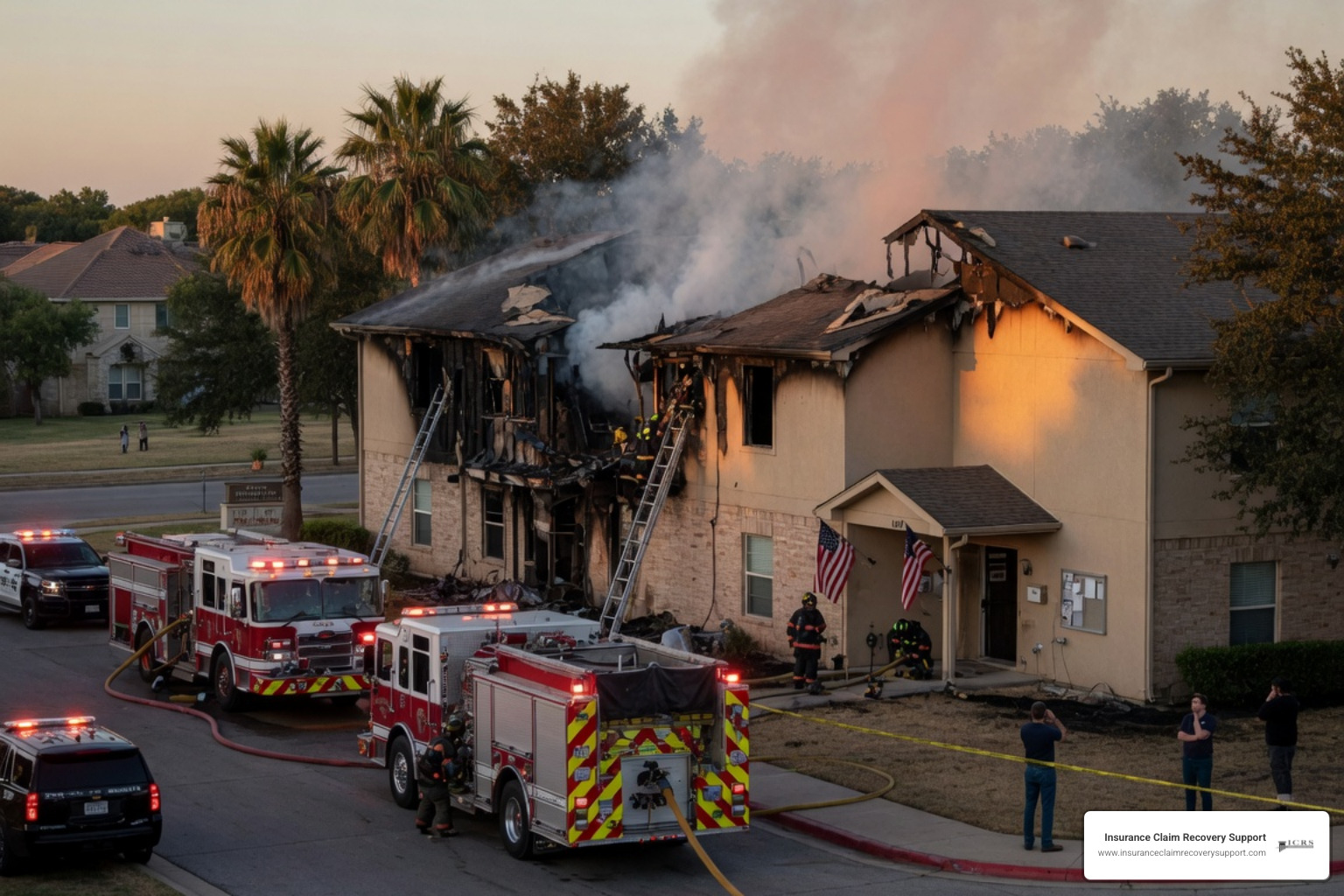
Kentucky is no stranger to violent weather. Over the past several years, the state has absorbed punishing blows from tornadoes, straight-line winds reaching 100 mph, and multi-county storm systems that have knocked out power for hundreds of thousands of people, buckled rooftops, and left commercial property owners scrambling. The 2021 Western Kentucky EF4 tornado alone carved a 165.6-mile path of destruction, generating an estimated $507 million in damages and exposing just how vulnerable multifamily buildings, warehouses, and commercial facilities are to catastrophic wind events. More recently, the May 2024 storm outbreak triggered States of Emergency across 14 counties and disrupted nearly 100 state highways — a stark reminder that severe weather in Kentucky is not a one-time event. It is a recurring, escalating threat.
For commercial property owners and multifamily operators, the storm itself is only half the problem. The other half unfolds in the weeks and months that follow, when insurance carriers begin the process of assessing — and often undervaluing — the damage left behind.
I’m Scott Friedson, a multi-state licensed public adjuster and CEO of Insurance Claim Recovery Support (ICRS) LLC, with over 15 years of experience settling hundreds of millions of dollars in large-loss claims — including complex Kentucky wind damage cases involving commercial and multifamily properties. I’ll walk you through what’s really happening on the ground in Kentucky, how insurers respond to large storm claims, and what you can do to protect your settlement.
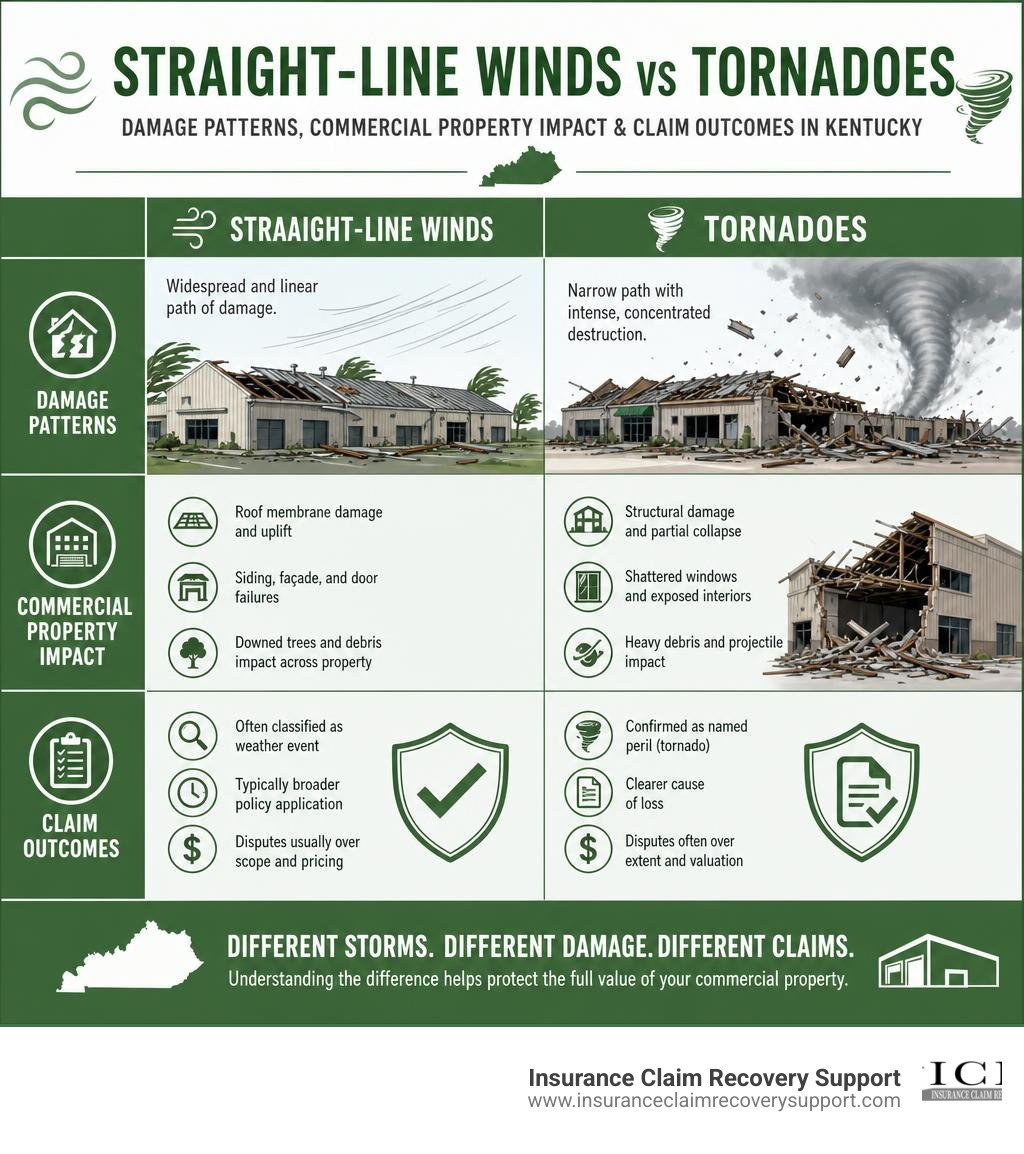
Kentucky wind damage terms to remember:
Kentucky wind damage: The Reality of Recent Storms
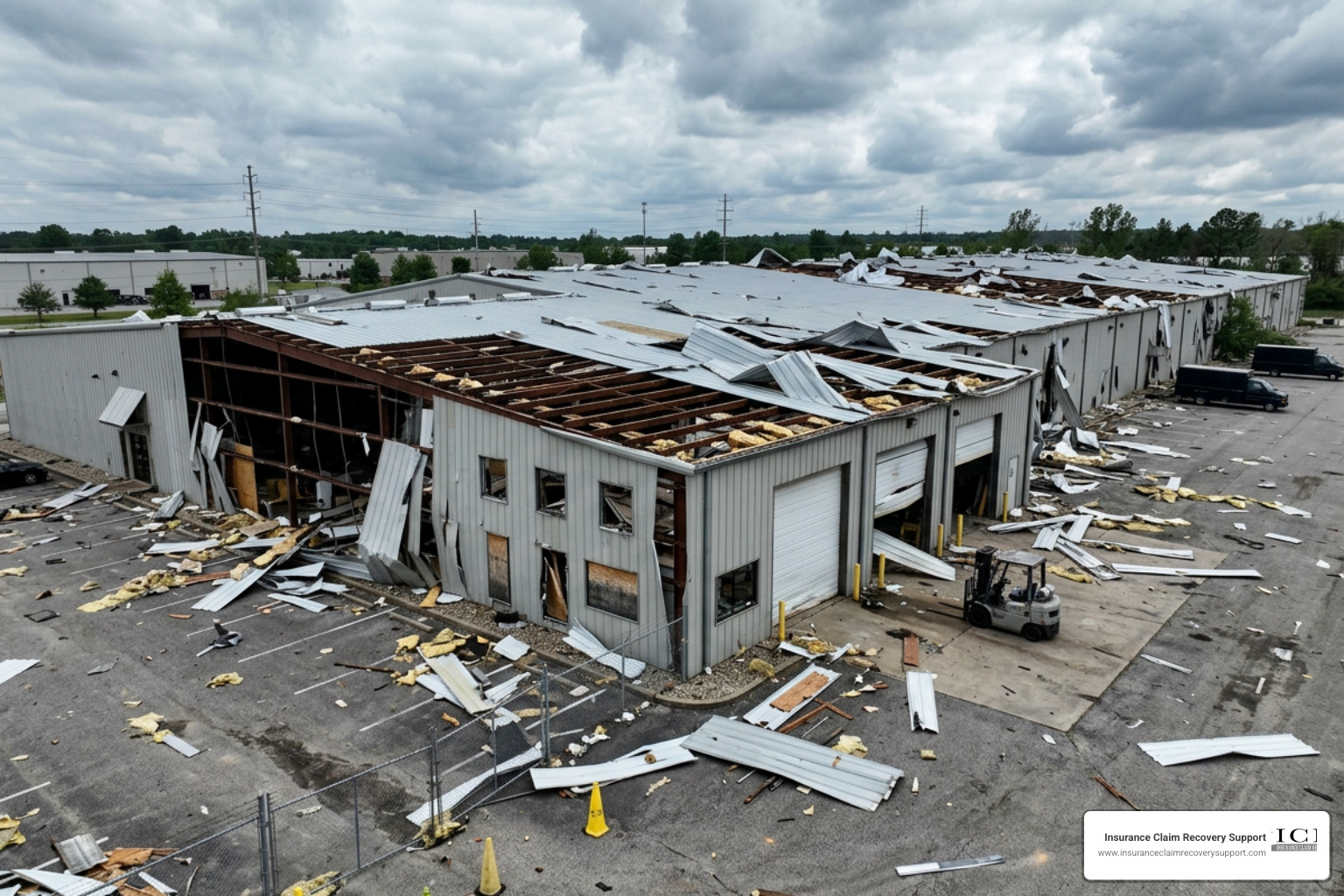
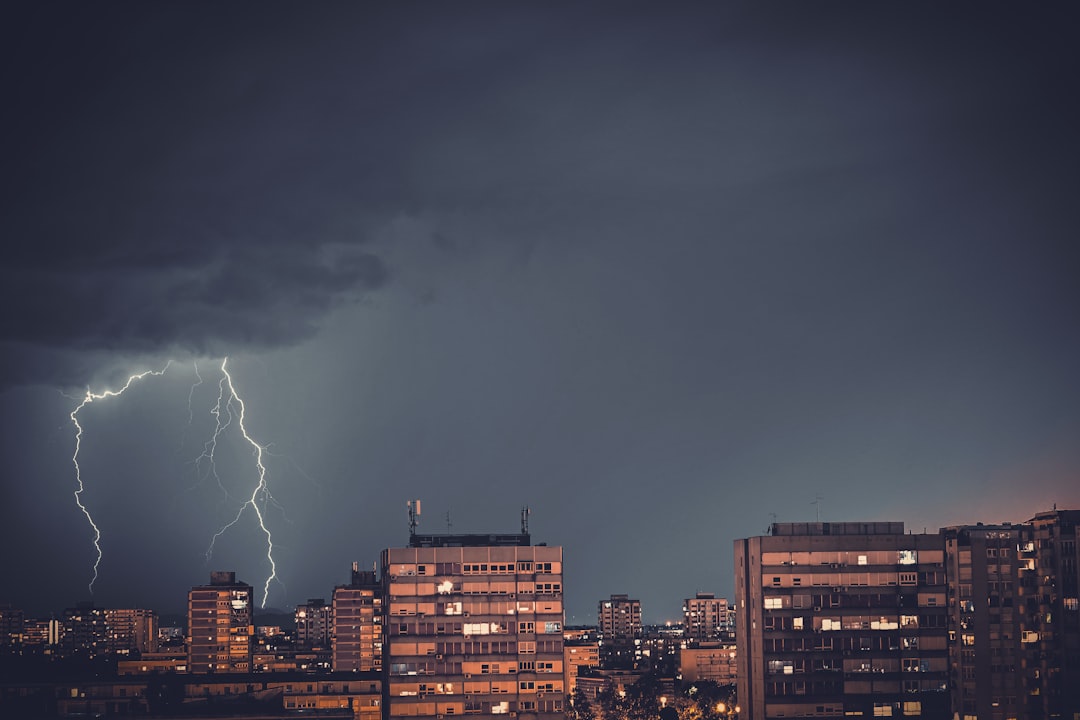
When severe storms sweep through the Commonwealth, they don’t just uproot beautiful woodlands—they tear apart the structural envelopes of retail plazas, apartment complexes, and manufacturing hubs. The storm systems of May 26-27, 2024, illustrated this perfectly, knocking out power to over 215,000 customers at their peak and forcing 14 separate counties to declare a State of Emergency.
According to data monitored by the Storm Prediction Center, these storms brought a combination of intense straight-line winds, heavy hail, and localized tornadoes that battered highway districts in Paducah, Madisonville, and Bowling Green, leaving nearly 100 state highways obstructed by debris. When infrastructure fails on this scale, commercial properties suffer severe, immediate impacts that require sophisticated intervention. For a comprehensive overview of how to initiate recovery, check out our Kentucky Storm Damage: Your Guide to Professional Recovery.
Western Kentucky Tornado Legacy and Recent Outbreaks
The historical baseline for catastrophic wind damage in Kentucky was forever changed by the December 2021 tornado outbreak. A violent, long-track EF4 tornado tore through Western Kentucky, carving a devastating path of 165.6 miles. Communities like Mayfield, Dawson Springs, and Bremen were altered in an instant.
For commercial operators, this event was a case study in structural vulnerability. The collapse of the Mayfield candle factory and the destruction of heavy commercial warehouses and industrial facilities proved that standard building envelopes are often no match for 190 mph winds. When dealing with structural collapse on this scale, navigating the initial claim filing is critical. To understand the foundational steps of this process, see our guide on How to File an Insurance Claim for Storm Damage.
Straight-Line Winds and Microbursts Impacting Commercial Hubs
While tornadoes capture the headlines, straight-line winds and microbursts quietly cause more property damage reports across the state in an average year. These are not weak storms; straight-line wind events can easily exceed 100 mph, matching the destructive force of an EF1 tornado.
Consider the severe wind event in Russell County, where wind speeds reached 87 knots (approximately 100 mph). The impact on commercial storage facilities was catastrophic:
- Jamestown Boat Storage: High winds blew in five massive garage doors, which pressurized the building’s interior, leading to a complete roof collapse and structural failure of the walls.
- Cumberland Boat Storage: Nine commercial bays were completely destroyed, with the metal roof and walls entirely sheared off and scattered across the property.
These failures show how a single weak point—such as a commercial garage door—can lead to total structural failure when straight-line winds strike. For specialized guidance on navigating these specific commercial claims, read more about Commercial Wind Insurance Claims.
Systemic Insurer Scrutiny: The “Cost of Doing Business” Model

In our years of representing policyholders, we have observed a clear, systemic pattern: insurance companies routinely treat the underpayment and delay of large commercial claims as a standard “cost of doing business.” Rather than immediately indemnifying policyholders to keep their businesses running, carriers often deploy sophisticated strategies designed to limit their financial exposure. To protect your interests, you must understand the rules of engagement. Learn more about the strategic approach in How to Submit a Wind Damage Insurance Claim.
Under-scoping and Delay Tactics in Kentucky wind damage Claims
The most common hurdle commercial property owners face is “under-scoping.” An insurer’s adjuster might inspect a wind-damaged roof on an apartment complex and claim that only a few shingles or metal panels need to be spot-repaired.
In reality, high winds lift entire roof membranes, breaking the seals and compromising the structural integrity of the system. This leads to hidden water intrusion that may not show up until months later. Carriers also leverage cosmetic exclusions and matching disputes to avoid paying for a full replacement, ignoring the fact that a patched, mismatched roof degrades the commercial value of the asset. Furthermore, delaying the settlement of the property damage claim directly increases the carrier’s leverage, as the policyholder’s business interruption losses continue to mount, putting immense financial pressure on the owner to accept an unfair, lowball settlement. To avoid these traps, read our detailed breakdown of Storm Damage Insurance Claim strategies.
National Trends in Insurer Bad Faith and Enforcement Actions
This is not a localized issue; it is a systemic, national trend. Across the United States, major carriers face intense scrutiny for their claim handling practices. For example, State Farm recently faced a massive State Farm $15.6M settlement over bad faith claim allegations.
Similar systemic issues have triggered major regulatory actions across the country. In California, widespread bad faith practices and arbitrary policy non-renewals have been extensively documented by the media and regulators alike, as detailed in the NYT California article. These actions culminated in a formal California Enforcement Action targeting systemic violations of policyholder rights.
The depth of these violations has been covered globally by The Guardian and nationally by CNN, illustrating how carriers systematically delay, underpay, and deny claims to preserve their corporate bottom lines. When carriers treat regulatory enforcement actions simply as an administrative cost of doing business, commercial policyholders must level the playing field by hiring professional representation.
Navigating Complex Commercial Property Recovery
Recovering from major Kentucky wind damage requires a highly coordinated, technical response. Large commercial structures, multi-family HOAs, and industrial facilities require highly specialized, large-scale restoration strategies. The scale of physical damage, combined with strict regulatory compliance, demands professional oversight from day one. To understand the full scope of managing a large-loss commercial claim, refer to our Public Adjuster Storm Damage Complete Guide.
Environmental Hazards and OSHA Protocols in Storm Restoration
When high winds damage a commercial roof or shear off siding, water inevitably penetrates the building envelope. This triggers a strict timeline for environmental remediation. Under OSHA guidelines, property managers and contractors must follow rigorous safety protocols to protect workers and occupants:
- Asbestos and Lead Paint: In older commercial or historical buildings, wind damage often exposes hidden asbestos-containing materials (ACM) or lead-based paint. Disturbed materials must be abated by licensed professionals before general reconstruction can begin.
- Industrial Hygienists: For claims exceeding $250,000, we always recommend retaining an independent industrial hygienist. They perform initial testing, write the remediation protocol, and conduct clearance testing to ensure the building is safe for occupancy.
- Moisture Mapping and Dry Log Records: Insurers frequently argue that water damage was pre-existing. To defeat this defense, we establish comprehensive moisture mapping using infrared thermography and maintain strict “dry log records” that document the drying progress of structural elements over time.
Policy Interpretation, Appraisal Awards, and Statutory Protections
The outcome of a commercial claim often hinges on how the policy is interpreted. Insurance policies are contracts written by the insurer, and they are frequently filled with ambiguous exclusions.
While we operate across multiple states, we often leverage strong statutory frameworks to protect our clients. For instance, in states like Texas, policyholders are protected by Texas Statutes 541 and 542 (the Prompt Payment of Claims Act), which levy heavy interest penalties on insurers who unreasonably delay claims. In other regions, such as Florida, understanding evolving litigation costs and the limitations of appraisal awards is vital to avoiding costly legal battles.
Furthermore, commercial policyholders are often disadvantaged by “adjuster licensing gaps.” The independent adjusters sent by your insurance company are often freshly licensed, out-of-state contractors who lack the training to evaluate complex commercial roofing systems or commercial HVAC chillers damaged by wind-borne debris. Having an expert public adjuster who understands these technical gaps is essential. To protect your rights during policy disputes, consult our resources on Weather Damage Insurance Claims.
Fact vs. Myth: Commercial Storm Claims
When navigating a complex wind damage claim, relying on insurance company myths can cost you millions of dollars in unpaid damage. Let’s separate fact from fiction. For a deeper dive into these claim dynamics, see our guide on Hail and Wind Damage Insurance Claims.
Fact vs. Myth: Resolving Kentucky wind damage Disputes
- Myth: “If the roof isn’t leaking yet, the wind didn’t cause structural damage.”
- Fact: High winds cause uplift that can detach roofing membranes, loosen fasteners, and compromise the structural integrity of the roof deck without causing immediate interior leaks. Over time, these hidden failures lead to catastrophic roof collapse.
- Myth: “The insurance company’s engineer is an independent, objective expert.”
- Fact: Insurers routinely hire preferred engineering firms that generate reports designed to support claim denials. Policyholders must counter these biased assessments with independent, forensic engineering reports of their own.
- Translation Callout: > What the insurer says: “We will pay to patch the damaged section of your commercial roof.” > What they actually mean: “We are going to ignore local building codes and material matching laws to avoid paying for the full roof replacement you actually need.”
- Myth: “We cannot afford to hire a public adjuster because of the out-of-pocket costs.”
- Fact: Professional public adjusters represent you on a contingency fee basis. This means there are no upfront, out-of-pocket costs, and our interests are completely aligned with yours—we only get paid when we successfully maximize your settlement.
Frequently Asked Questions about Kentucky Storm Recovery
How do dry log records and moisture mapping impact commercial property settlements?
Dry log records and moisture mapping provide irrefutable, scientific evidence of the exact extent of water intrusion caused by wind damage. By utilizing infrared cameras and moisture meters to document the drying process, we prevent the insurance company from claiming the water damage was “pre-existing” or that the building has been fully restored when hidden moisture still remains behind the walls. For more on how we utilize these technical tools, see our analysis on Texas Wind Damage.
Why should commercial policyholders avoid the appraisal process if possible?
While the appraisal process is designed to resolve valuation disputes, it is often weaponized by insurers. Appraisal panels can make unilateral decisions without considering policy coverage disputes, and the process lacks the formal discovery protections of litigation. Furthermore, the costs of hiring appraisers and umpires can quickly escalate, eating into your ultimate settlement. We focus on maximizing your settlement through aggressive negotiation and detailed documentation to resolve claims without entering the unpredictable appraisal process.
What environmental protocols must be followed during commercial wind restoration?
Commercial property managers and HOAs must comply with all local, state, and federal OSHA regulations. This includes conducting pre-demolition asbestos surveys, employing certified mold mitigation protocols, and ensuring that any hazardous materials exposed by storm winds are safely contained and disposed of. Failing to follow these protocols can lead to massive regulatory fines and severe liability exposure for the property owner.
Conclusion
Recovering from severe Kentucky wind damage requires more than just a contractor with a hammer; it requires a team of forensic experts, environmental specialists, and licensed public adjusters who understand how to hold insurance carriers accountable.
If your commercial property, multifamily complex, or HOA has suffered wind or tornado damage exceeding $250,000, do not let the insurance company dictate the terms of your recovery. At Insurance Claim Recovery Support (ICRS), we specialize in maximizing settlements, reducing carrier delays, and achieving a 90% settlement success rate without unnecessary, protracted litigation.
Get Professional Claim Help Today and let us fight to secure the full settlement you deserve.