Introduction
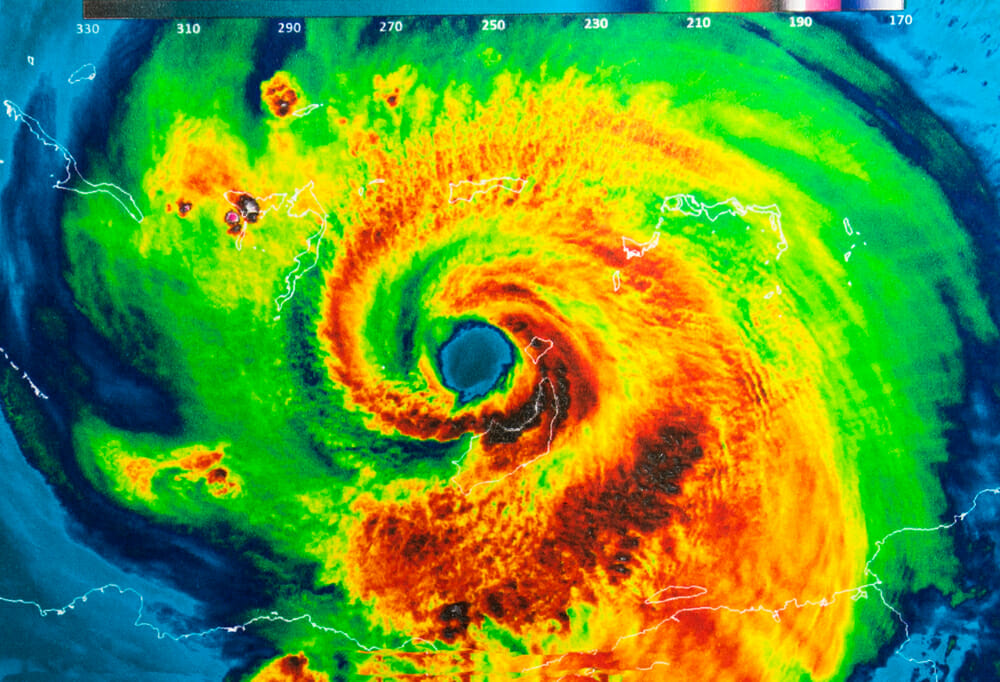
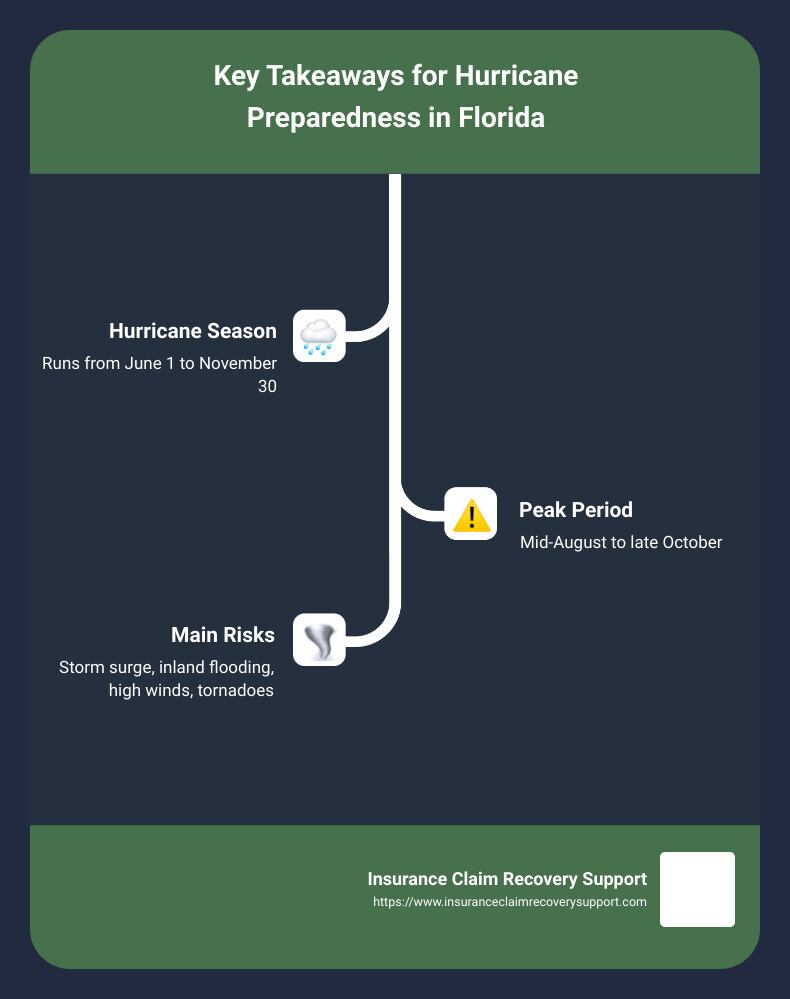
Hurricane Florida—these are two words that signal the need for preparation and caution if you’re in the Sunshine State. Florida’s hurricane season runs from June 1 to November 30, with the peak occurring from mid-August to late October. During this time, the risk of destructive hurricanes is highest and brings with it several dangers.
Key Takeaways:
– Hurricane Florida Season: June 1 – November 30
– Peak Period: Mid-August to late October
– Main Risks: Storm surge, inland flooding, high winds, and tornadoes
– Preparation: Building an emergency kit, securing your home, developing an evacuation plan
Hurricanes can bring about multiple threats, including storm surge, which can flood coastal areas; inland flooding from intense rainfall; high winds that can destroy buildings; and tornadoes that can add to the chaos.
To stay safe, it’s crucial for Floridians to have a well-thought-out preparedness plan. This includes creating a disaster supply kit, securing your property, and understanding evacuation procedures. Knowledge, preparation, and resources like those from the National Hurricane Center (NHC) are your best defenses against these powerful storms.
Understanding Florida’s Hurricane Season
Florida’s hurricane season runs from June 1 to November 30 each year. These months are when the state is most vulnerable to hurricanes and tropical storms.
Peak Season: Mid-August to Late October
While the official season spans six months, the most intense activity usually happens between mid-August and late October. During this peak period, the waters in the equatorial Atlantic and Gulf of Mexico are warm enough to fuel the development of tropical storms and hurricanes.
Historical Context
Florida has a long history of hurricane activity. Since 1850, every part of Florida’s coastline has experienced at least one hurricane. This means no area is entirely safe from the threat of these powerful storms. The southeast coastline and the panhandle are particularly susceptible to land-falling hurricanes. Even areas like Tampa and Jacksonville, which have a lower risk of direct strikes, can still experience significant impacts.
Importance of Preparedness
Understanding the timing and risks associated with Florida’s hurricane season is crucial for effective preparedness. Knowing that the most dangerous period is from mid-August to late October allows you to plan and take necessary precautions.
Stay informed by regularly checking updates from trusted sources like the National Hurricane Center (NHC). This will help you stay ahead of the storm and take timely action to protect yourself and your family.

Next, we’ll dive into the specific risks associated with hurricanes in Florida, including storm surge, inland flooding, high winds, and tornadoes.
Risks Associated with Hurricanes in Florida
Understanding the risks associated with hurricanes in Florida is crucial for preparation and safety. Here, we’ll break down the major hazards: storm surge, inland flooding, high winds, and tornadoes.
Storm Surge
Storm surge is the wall of water pushed toward the shore by hurricane winds. It’s often the deadliest part of a hurricane. When combined with high tides, storm surge can flood coastal areas rapidly, reaching heights of over 25 feet in the strongest hurricanes.
Coastal flooding from storm surge can destroy homes, businesses, and infrastructure. For example, during Hurricane Ian in 2022, storm surge led to catastrophic flooding in parts of Florida, causing extensive damage.
Evacuation Zones: Knowing your evacuation zone is essential. If local officials declare an evacuation, move to the nearest safe location outside the declared zone. Check your zone here.
Inland Flooding
Inland flooding occurs when hurricanes dump large amounts of rain over an area. This type of flooding can affect regions far from the coast. Slow-moving storms are particularly dangerous, as they can drop inches to feet of rain over a short period.
Historical Example: Hurricane Easy in 1950 dumped an estimated 38.70 inches of rain on Yankeetown, FL, in just 24 hours, causing severe flooding.
High Winds
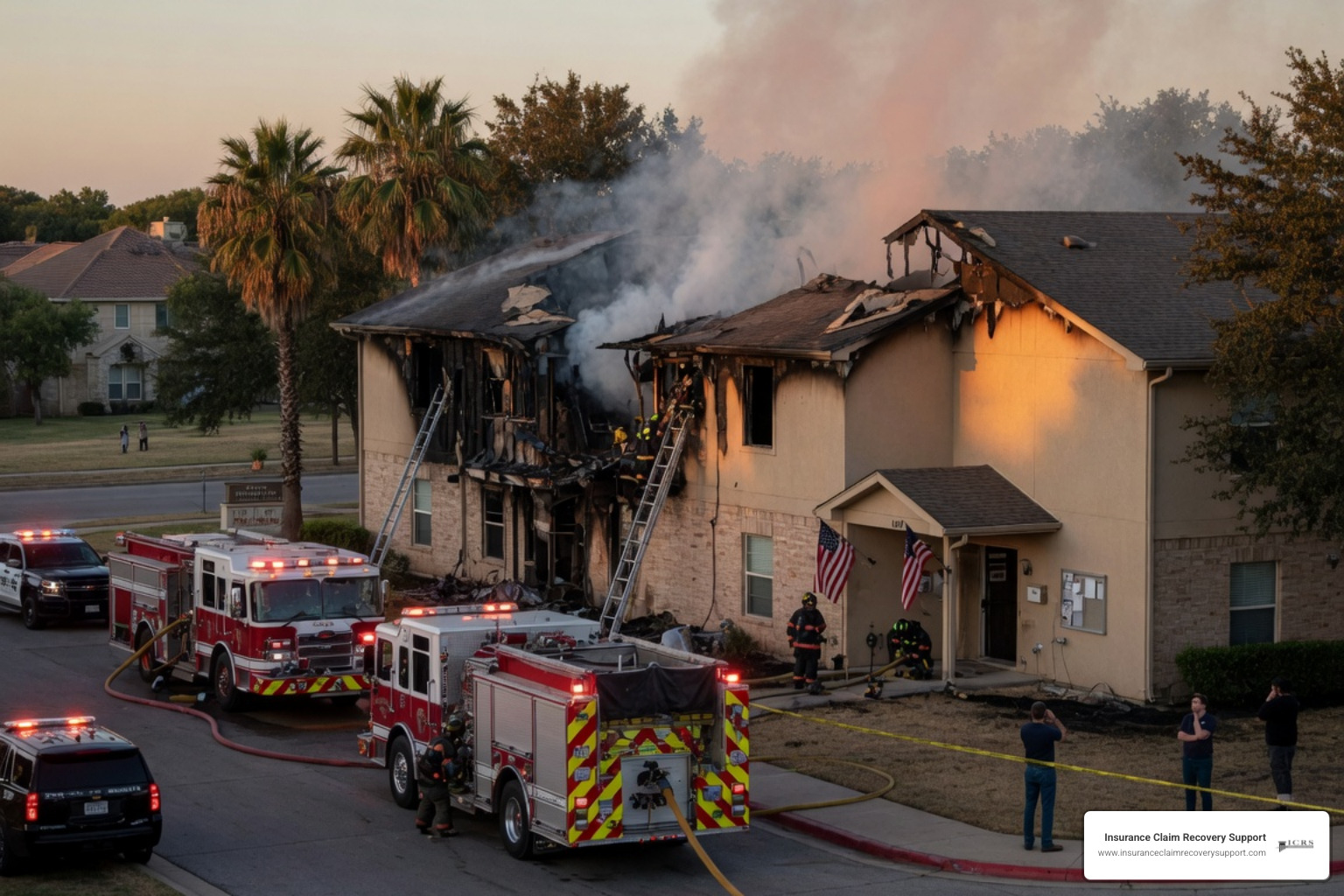
Hurricanes bring high winds that can exceed 155 mph in the most intense storms. These winds can tear off roofs, uproot trees, and down power lines. Mobile homes and poorly constructed buildings are especially vulnerable.
Historical Example: Hurricane Charley in 2004 moved through Florida with winds strong enough to bring hurricane-force conditions to Orlando, nearly 100 miles from where it made landfall.
Tornadoes
Hurricanes can also spawn tornadoes, particularly in the right-front quadrant of the storm and in outer rain bands. These tornadoes are usually less intense than those from non-tropical storms but can still cause significant damage.
Impact: Tornadoes from hurricanes often move quickly, sometimes over 50 mph, making them difficult to predict and prepare for.
Climate Change Impacts
Climate change is altering the behavior of hurricanes. Warmer oceans can lead to more intense storms, and rising sea levels increase the risk of coastal flooding. Recent trends show hurricanes are becoming slower and more capable of dropping heavy rainfall, increasing the risk of inland flooding.
The combination of these risks makes hurricanes a formidable threat. Being aware of these dangers and preparing adequately can save lives and property.
Next, we’ll explore how to prepare for a hurricane in Florida, including creating a disaster supply kit, developing an evacuation plan, and protecting your home.
Preparing for a Hurricane in Florida
Creating a Disaster Supply Kit
A well-prepared disaster supply kit can be a lifesaver. Here are the essential items you should include:
- Water and Non-perishable Food: At least a three-day supply per person.
- NOAA Weather Radio: With battery backup to receive emergency alerts.
- First-Aid Kit: Include essential medicines and supplies.
- Flashlights and Batteries: Power outages are common during hurricanes.
- Important Documents: Keep copies in a waterproof container.
- Personal Hygiene Items: Soap, hand sanitizer, and sanitary products.
- Extra Clothing and Blankets: To stay warm and dry.
- Tools and Supplies: Basic tools, duct tape, and a whistle to signal for help.
- Pet Supplies: Food, water, and medications for your pets.
Developing an Evacuation Plan
Knowing when and how to evacuate is critical. Follow these steps to ensure your family is prepared:
- Identify Evacuation Zones: Determine if your home is in a storm surge evacuation zone. Check your zone.
- Plan Routes: Identify multiple evacuation routes in case some roads are blocked or flooded.
- Shelter Information: Know the location of nearby shelters and have a plan for where you will stay.
- Communication Plan: Establish how you will contact family members if separated. Make sure everyone knows the plan.
- Practice Drills: Regularly practice your evacuation plan to make the actual evacuation smoother and less stressful.
Protecting Your Home
Taking steps to secure your home can minimize damage. Here’s how to protect your property:
- Wind Damage Mitigation: Reinforce roofs, windows, and doors. Install storm shutters or board up windows.
- Flood Insurance: Consider insuring your home or business against flood loss. Standard homeowners insurance does not cover flood damage.
- Securing Property: Remove or secure loose items from your yard that could become projectiles in high winds.
- Elevate Utilities: If possible, elevate utilities like air conditioning units and electrical systems to reduce flood risk.
Insurance Considerations
Navigating insurance claims can be overwhelming, but preparation helps. Here’s what to keep in mind:
- Public Insurance Adjuster: Consider hiring a public insurance adjuster to help you navigate the claims process. They advocate on your behalf to ensure you receive the settlement you deserve.
- Insurance Claim Recovery Support: This service can be invaluable in helping you recover from the hurricane’s impact. They specialize in maximizing settlements for policyholders.
- Document Everything: Take photos and videos of your property before and after the storm to provide clear evidence of damage.
- Review Your Policy: Make sure you understand what your insurance covers and any exclusions that may apply.
By following these preparation strategies, you can enhance your readiness for hurricanes and safeguard your property and loved ones.
Next, we’ll address some frequently asked questions about hurricanes in Florida, including current storm status and predictions for the future.
Frequently Asked Questions about Hurricanes in Florida
Is there a hurricane coming to Florida right now?
As of now, there are no active storms threatening Florida. However, hurricane season runs from June 1 to November 30, so it’s important to stay updated through reliable sources like the National Hurricane Center.
Where did the last hurricane hit in Florida?
The last significant hurricane to hit Florida was Hurricane Ian. It made landfall near Cayo Costa on September 28, 2022, as a Category 4 storm. Ian brought devastating winds of up to 155 mph, causing severe damage to homes, businesses, and infrastructure. The storm surge and flooding were particularly destructive, leading to widespread evacuations and long-term recovery efforts.
Will there be a hurricane in Florida in 2024?
While it is impossible to predict specific storms far in advance, experts suggest an above-average chance of hurricanes affecting the Gulf Coast in 2024. Warmer ocean temperatures and other climatic factors contribute to this increased likelihood. Stay prepared and keep an eye on updates from the National Hurricane Center as the season progresses.
Florida Hurricane Season Guide – Insurance Claim Recovery Support LLC
As we’ve explored, hurricanes in Florida are a serious threat, with a season running from June 1 to November 30. The risks include storm surge, inland flooding, high winds, and tornadoes. Each of these can cause significant damage to homes, businesses, and infrastructure.
Preparedness is key. Having a disaster supply kit, an evacuation plan, and proper home protections can make a big difference. A NOAA weather radio and battery backup are essential for receiving important updates.
Insurance Claim Recovery Support LLC is here to help you navigate the complexities of insurance claims after a hurricane. We advocate for policyholders to ensure you receive fair treatment and maximum compensation. Our experts handle all the details, so you can focus on recovery.
For more information and support, visit our Hurricane Loss Types page. Stay prepared, stay safe, and remember that with the right support, you can overcome the challenges posed by hurricanes.