Understanding Responsibilities in a Condo Association Fire
When a condo association fire occurs, understanding who is responsible for what can feel overwhelming. It’s not just about fire safety; it’s also about insurance and recovery. Here’s a quick overview of key responsibilities:
- Condo Association: Responsible for common areas, the building’s main structure, master insurance policies, shared fire safety systems (like sprinklers and alarms), and community-wide prevention plans.
- Individual Unit Owner: Responsible for their unit’s interior, personal belongings, their individual HO-6 insurance policy, and personal fire safety practices within their unit.
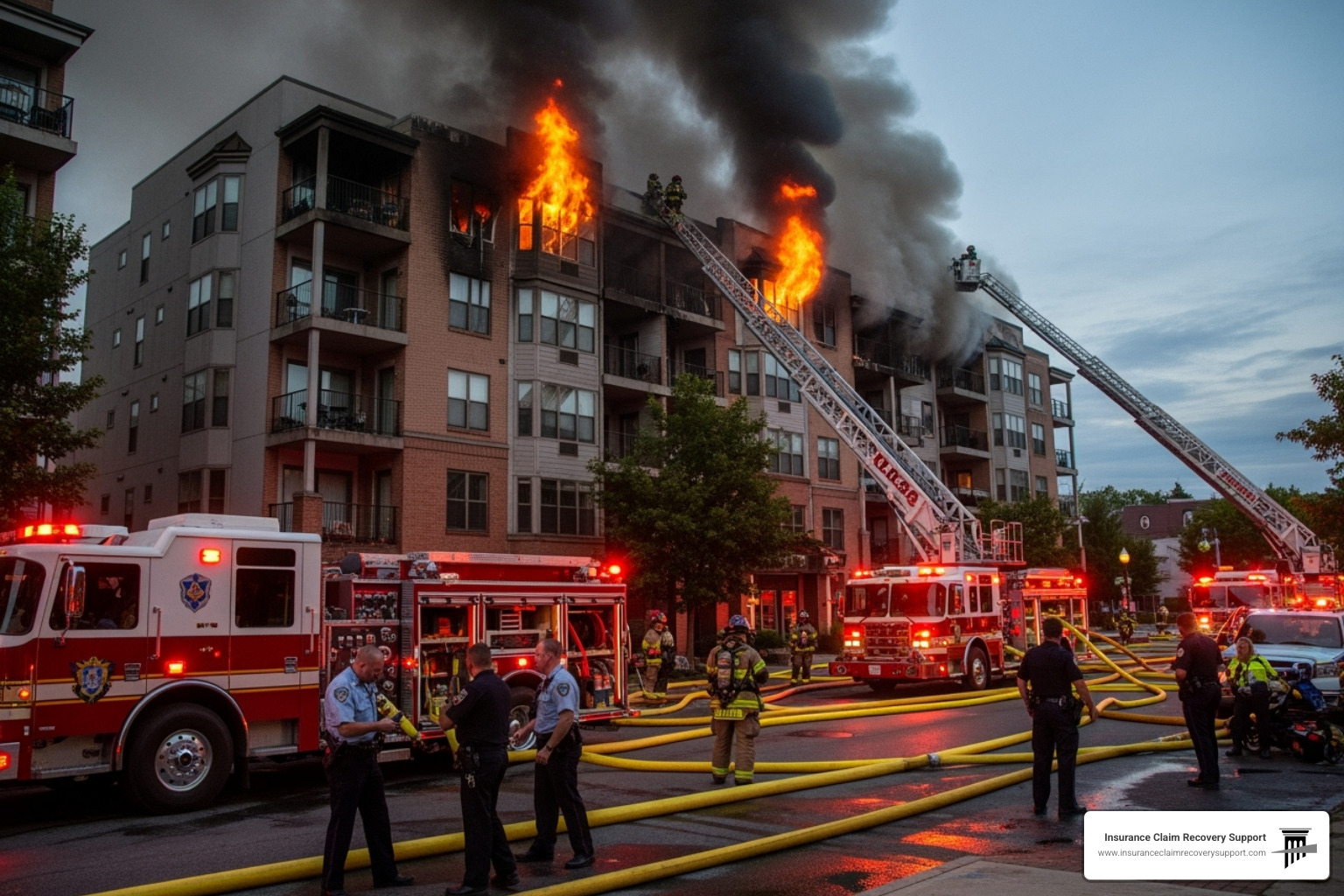
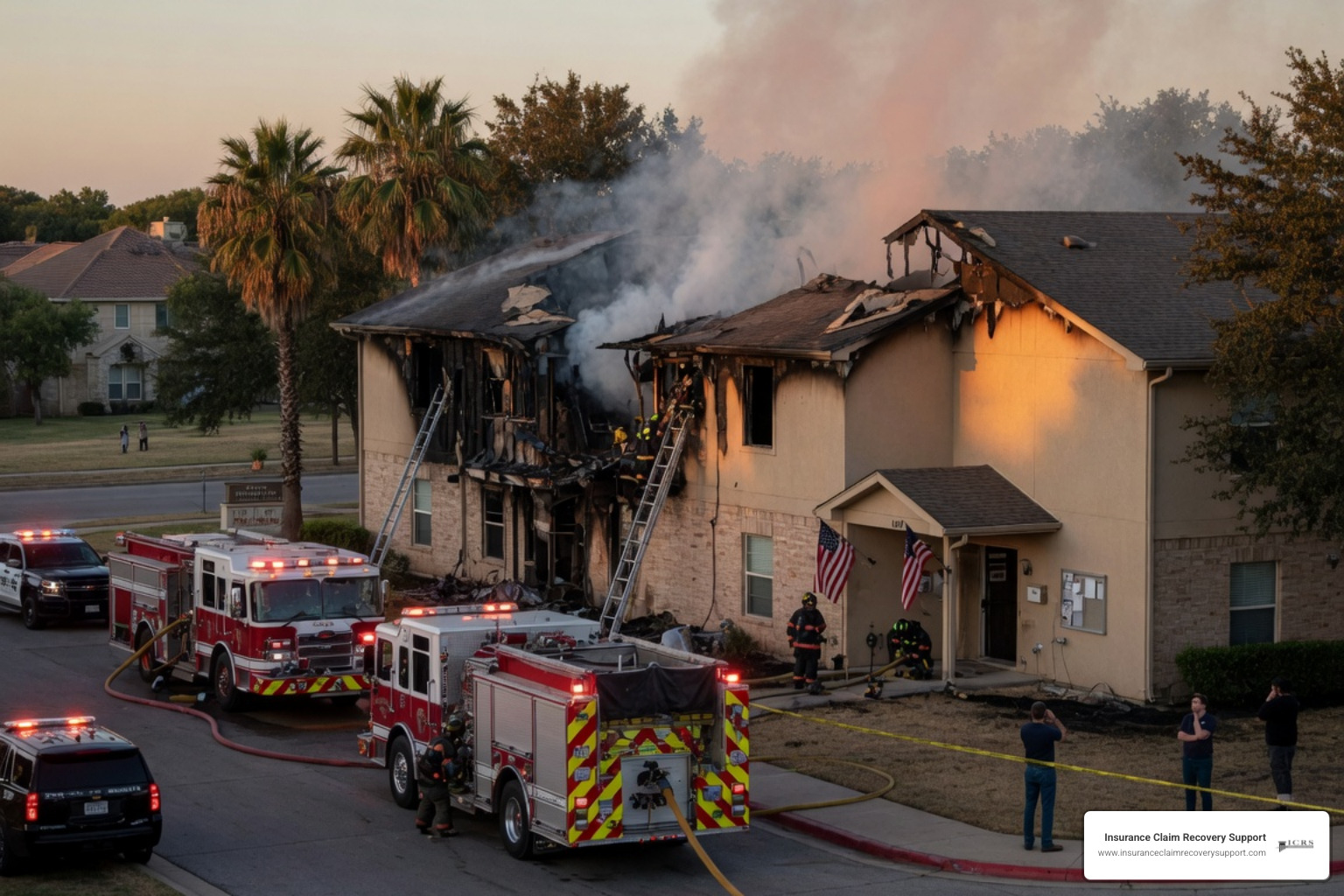
A fire in a condominium complex is more than just a personal tragedy. It’s a shared challenge that can affect many homes at once. Fires spread fast, causing huge damage in seconds. For everyone involved, from residents to property managers, navigating a fire means dealing with complex rules, insurance policies, and legal issues. Knowing who is responsible for what is the first step toward effective prevention, quick response, and full recovery.
I’m Scott Friedson, CEO of ICRS LLC, a public adjusting firm. I’ve settled hundreds of millions in commercial and multifamily property damage claims, including complex condo association fire cases, helping policyholders avoid unnecessary litigation and get fair settlements. This guide will walk you through everything you need to know.
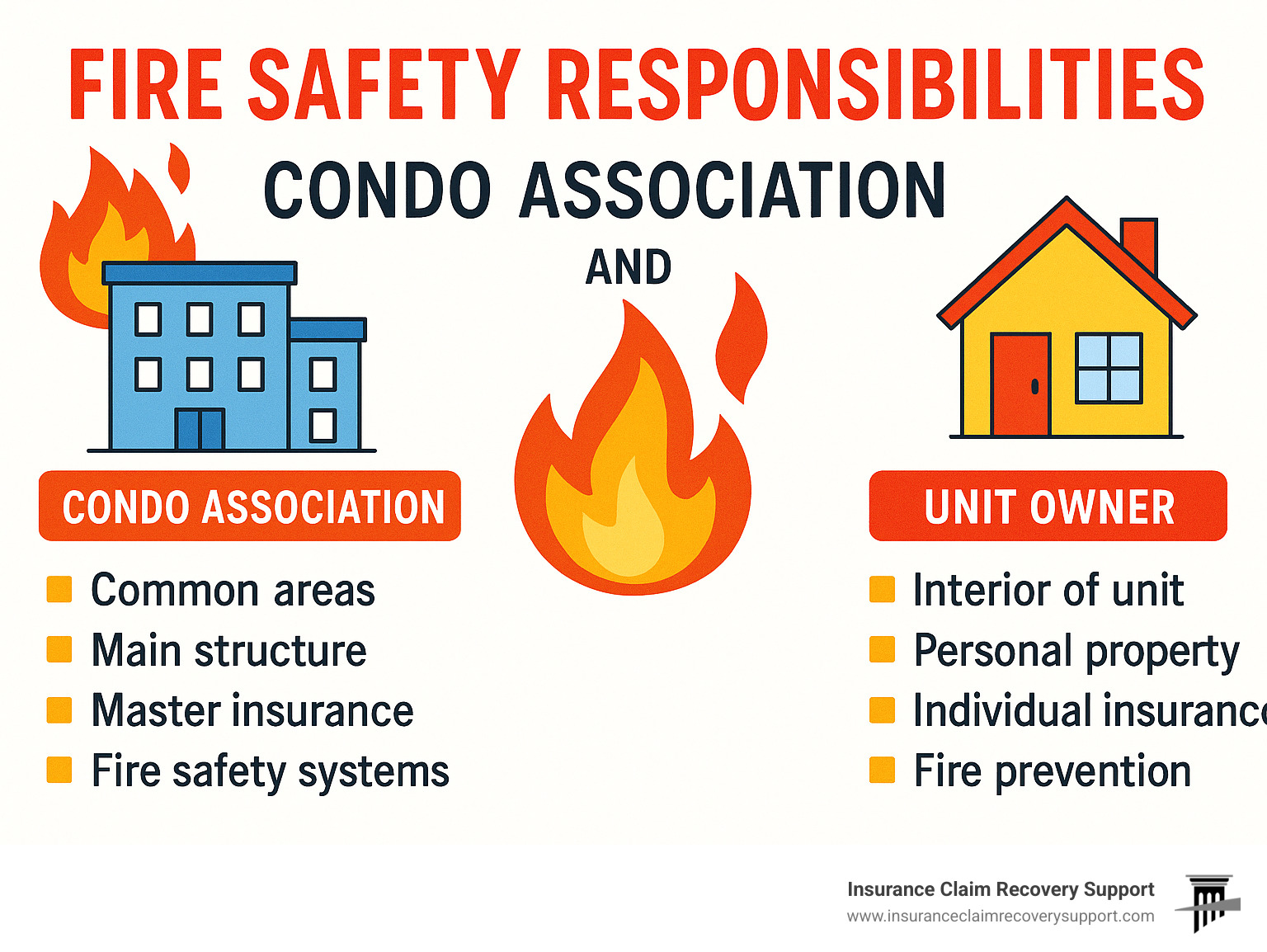
Key terms for condo association fire:
Preventing the Inferno: Key Causes and Safety Measures
When it comes to a condo association fire, prevention truly is worth a pound of cure. Fires can devastate an entire building in minutes, turning what should be a safe home into a dangerous situation for everyone. The good news? Most fires are completely preventable when we understand the risks and take the right steps.
Unattended cooking is the number one cause of residential fires. We’ve all been there – you put something on the stove, get distracted by a phone call or crying child, and suddenly there’s smoke billowing from the kitchen. It happens faster than you’d think.
Electrical overloads are another major culprit. When residents plug too many devices into one outlet or use damaged extension cords, they’re creating a fire hazard. Faulty wiring in older buildings can spark without warning, especially when combined with aging HVAC systems that haven’t been properly maintained.
Don’t overlook seemingly harmless things like holiday decorations either. Those beautiful lights can become dangerous when overloaded onto circuits, and dry Christmas trees turn into kindling surprisingly fast.
The landscape around your property matters too. Fire-wise plants that retain moisture are much safer than dry, brittle vegetation that can ignite easily. Smart landscaping choices can create a defensible space around your building.
As a condo association, your role in prevention goes beyond just installing safety equipment. Resident education is crucial – people need to understand not just the rules, but why they exist. Routine maintenance of all fire safety systems keeps them ready when you need them most. And having clear fire drills and evacuation plans ensures everyone knows what to do if prevention fails.
Essential Fire Safety Systems and Maintenance
Your first line of defense against a condo association fire starts with properly functioning safety systems. Smoke detectors need to be installed on every level, both in individual units and common hallways. They’re only helpful if they’re working, so regular testing is essential.
Carbon monoxide detectors are equally important, especially in units with gas appliances or attached garages. This silent killer can be just as deadly as fire, and early detection saves lives.
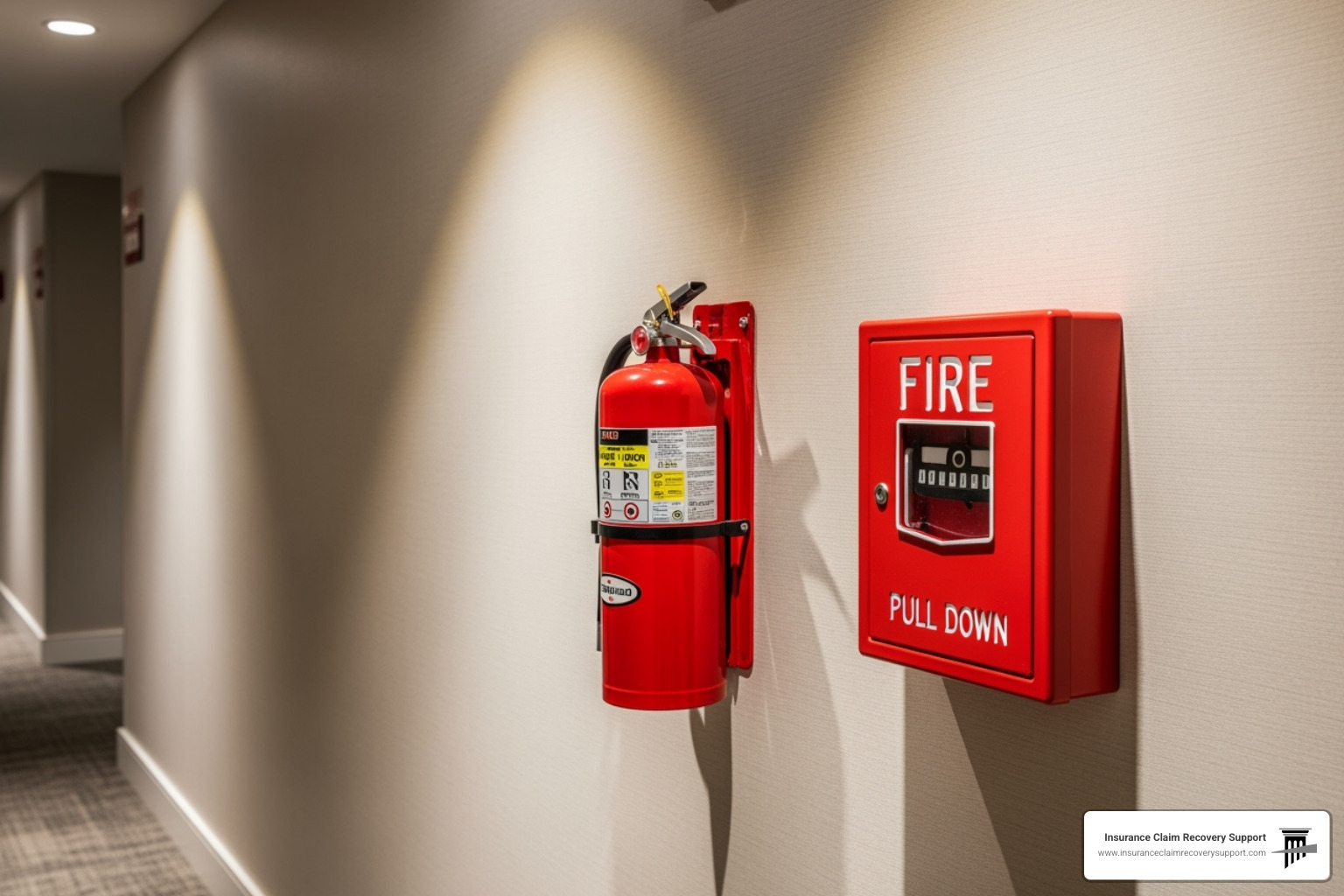
Sprinkler systems are designed to keep fires small and manageable, giving residents precious time to evacuate safely. These systems require professional servicing to ensure they’ll activate when needed. Fire extinguishers should be easily accessible in common areas, and residents should be encouraged to keep them in their units too.
Regular inspections aren’t just a good idea – they’re required by law in most areas. Compliance with local fire codes is non-negotiable, and this is especially important here in Texas. Whether you’re in Austin, Dallas, Houston, San Antonio, Fort Worth, Waco, or Lubbock, each area has specific regulations you need to follow.
Getting to know your local fire department and fire marshal can be incredibly valuable. They often provide free inspections and educational resources. For comprehensive guidance, the National Fire Protection Association (NFPA) fire safety tips offer excellent resources for communities.
Educating Residents and Enforcing Rules
Even the best safety systems can’t protect against unsafe resident behavior. That’s why education and clear rules are so important for preventing a condo association fire.
Community meetings focused on fire safety can be surprisingly effective, especially if you make them engaging. Consider bringing in local firefighters for demonstrations or offering small incentives for attendance. People are more likely to follow rules they understand.
Newsletters and emails are perfect for sharing bite-sized safety tips. Remind residents about basics like never leaving cooking unattended, keeping space heaters away from flammable materials, and properly disposing of smoking materials.
Safety tip distribution should cover practical matters like creating escape plans, maintaining fire extinguishers, and using electrical equipment safely. The more specific and actionable your advice, the better.
Your governing documents (CC&Rs) should include clear fire safety rules. Clear communication channels help residents understand expectations, but enforcing governing documents consistently is what makes the difference.
Essential fire safety rules for residents should cover grilling restrictions (no charcoal or gas grills on balconies), designated smoking areas away from buildings, guidelines for holiday decorations that won’t overload circuits, strict rules about fire pits if they’re allowed at all, and reminders about appliance safety and dryer lint removal.
When residents understand that these rules protect everyone in the community, they’re much more likely to cooperate. After all, in a condo association fire, everyone’s safety depends on everyone else’s responsible behavior.
Decoding the Policies: Insurance Coverage for a Condo Association Fire
When a condo association fire strikes, the financial aftermath can feel just as overwhelming as the physical damage itself. The insurance landscape for condominiums is uniquely complex because you’re dealing with two separate policies that need to work together seamlessly.

Here’s where it gets tricky: responsibility for fire damage in a condo isn’t always black and white. The Master Policy held by your condo association covers certain areas, while your individual HO-6 Policy covers others. The real challenge? Figuring out where one policy ends and the other begins.
Your condo association’s governing documents, also known as CC&Rs (Covenants, Conditions & Restrictions), are the ultimate guide for determining these responsibilities. These documents spell out exactly what the association covers versus what you as a unit owner need to handle.
The type of master policy your association carries makes a huge difference in what you’ll need to cover personally. Most associations choose from three main coverage types:
Bare-walls coverage is the most basic option. Think of it as covering everything up to the unpainted drywall inside your unit. This means you’re responsible for flooring, fixtures, cabinets, appliances, and even the paint on your walls.
Single-entity coverage goes a step further, typically covering your unit back to its original condition when the building was first constructed. This includes basic fixtures and built-in components that came with the original build.
All-in coverage is the most comprehensive option, covering even upgrades and improvements you’ve made to your unit over the years. This type of coverage is less common but provides the most protection.
Understanding which type your association has is absolutely critical. It directly impacts what your HO-6 policy needs to cover and can mean the difference between thousands of dollars in out-of-pocket expenses after a fire.
The Master Policy vs. The Unit Owner’s (HO-6) Policy
Let’s break down how these two policies typically work together after a condo association fire:
| Feature | Master Policy Coverage (Condo Association) | HO-6 Policy Coverage (Unit Owner) |
|---|---|---|
| Building Structure | Exterior walls, roof, foundation | Interior walls, floors, ceilings (depending on master policy type) |
| Common Areas | Lobbies, hallways, pools, gyms | Not covered |
| Personal Property | Not covered | Furniture, clothing, electronics |
| Interior Finishes | Basic finishes (single-entity) or none (bare-walls) | Upgraded finishes, paint, flooring |
| Loss of Use | Not typically covered | Additional living expenses while displaced |
| Liability | Common area incidents | Incidents within your unit |
The master policy handles the big-picture items like rebuilding the structure and repairing common areas. Your HO-6 policy steps in to cover your personal belongings and often the interior of your unit.
But here’s where disputes often arise: determining exactly where the association’s responsibility ends and yours begins. After a fire, insurance companies representing each policy may disagree about coverage boundaries, potentially leaving you caught in the middle.
Crucial, Often Overlooked Association Coverages
Beyond the basic building coverage, there are several specialized coverages that many condo associations overlook but absolutely shouldn’t.
Directors & Officers (D&O) insurance protects board members from personal liability when making decisions on behalf of the association. After a fire, if residents sue the board over fire safety decisions or insurance coverage disputes, this coverage becomes invaluable.
Fidelity & Crime coverage protects against theft or embezzlement by employees, board members, or property management companies. While not directly fire-related, it’s crucial protection for any association handling significant insurance settlements.
Loss Assessment Coverage is perhaps the most important overlooked coverage. If the association’s master policy limits aren’t sufficient to cover all fire damage, the association may need to levy special assessments against unit owners. This coverage helps protect individual owners from those unexpected costs.
Rising insurance premiums have become a major concern for condo associations across Texas. A single fire claim can dramatically impact your association’s claims history, leading to higher premiums or even policy cancellations. Ensuring adequate coverage limits from the start is far more cost-effective than dealing with underinsurance after a loss.
The complexity of these overlapping policies is exactly why many associations benefit from working with a public adjuster who understands the intricacies of multifamily property claims and can help maximize recovery while avoiding unnecessary litigation with insurance companies.