Filing wind and hail damage insurance claims can be crucial for property owners, especially in areas prone to severe weather. This process involves understanding your insurance coverage, the importance of timely action, and the steps necessary to ensure a successful claim.
Firstly, it’s essential to act quickly after experiencing wind or hail damage. Delays can complicate the claims process and may affect the outcome. As soon as it’s safe, assess the damage, document it meticulously with photos, and contact your insurer to start the claims process. This immediate action helps prevent further damage and speeds up the recovery process.
For property owners managing assets such as commercial buildings, multifamily complexes, or schools, the stakes are even higher. A structured approach to filing and managing your insurance claims can significantly impact the speed and success of recovery and repair efforts.
Understanding Wind and Hail Damage Insurance Claims
What Triggers a Wind/Hail Claim?
Wind/hail claims are triggered by specific weather events that cause damage to your property. These include:
- Windstorms: These can range from tornadoes and hurricanes to less intense but still damaging high winds.
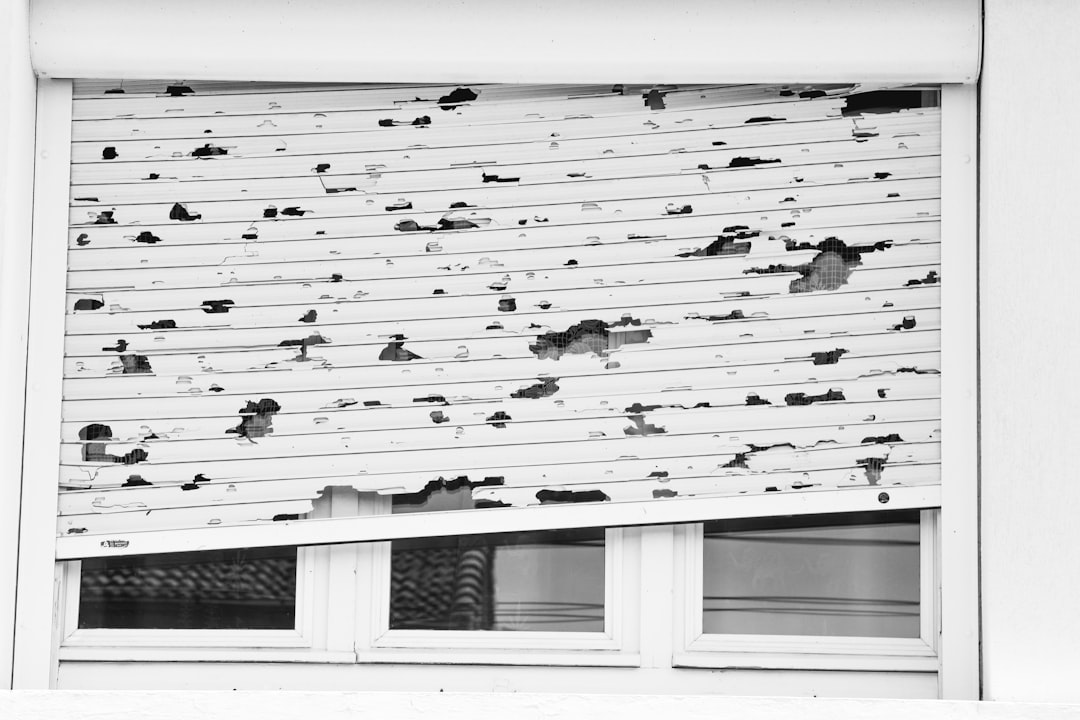
- Hailstorms: Hail can vary in size but even small hail can cause significant damage to roofs, siding, and windows.
The key is that the damage must result from one of these events and be covered under your policy’s terms for windstorm or hail damage.
Assessing the Damage
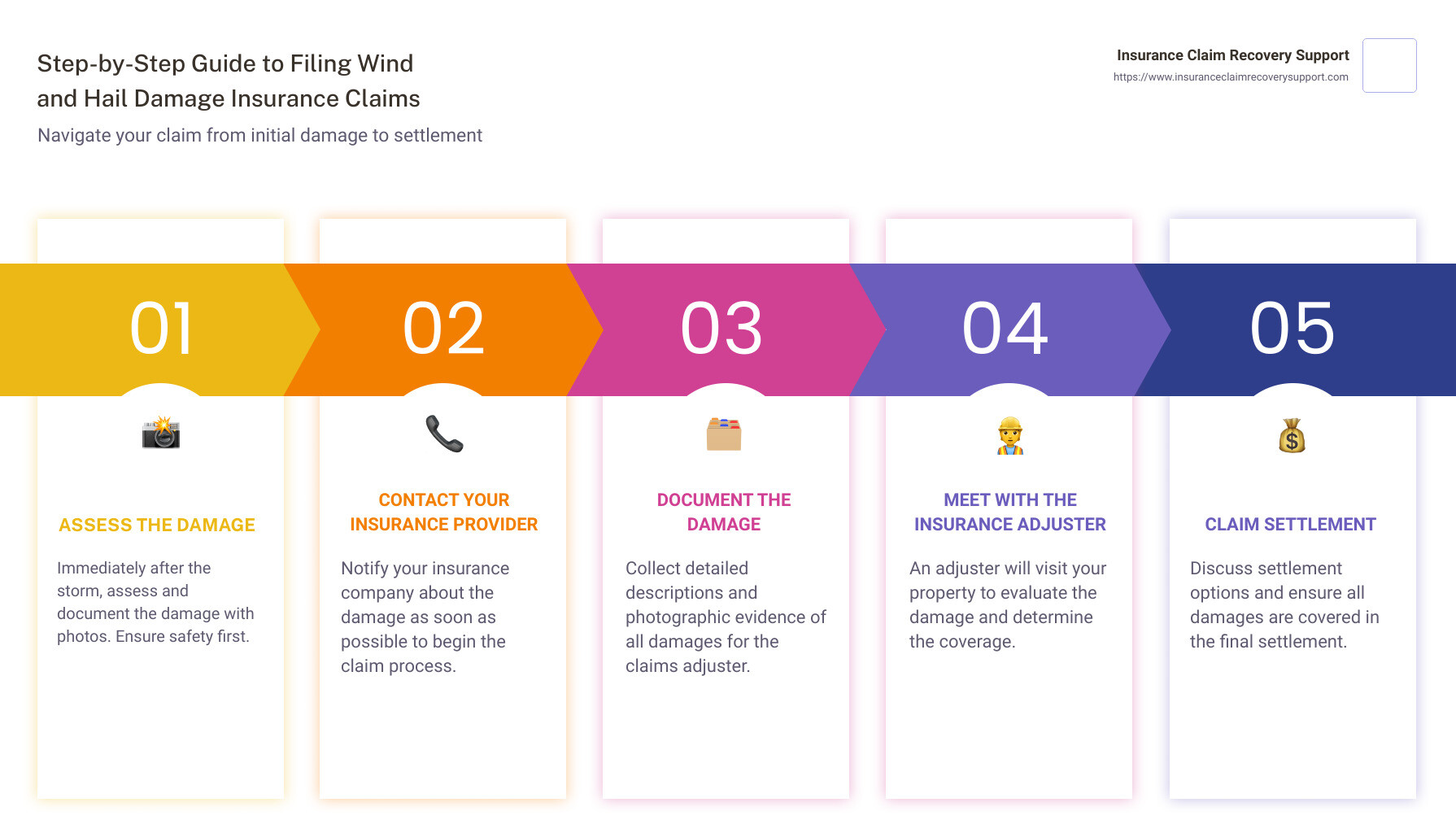
When a wind or hail event damages your property, the first step is to safely assess the damage. This involves several critical actions:
Roof Inspection
A thorough roof inspection is crucial, as roofs often bear the brunt of wind and hail damage. Look for:
- Missing or broken shingles
- Dents on metal roofs
- Cracks or breaks in tiles
Vendor Inspection
If you’re unsure about the extent of the damage, consider hiring a professional inspector. They can provide a detailed report, which is invaluable when you file your claim.
Photo Documentation
Document all damages with clear, high-quality photos. These photos should include:
- Wide shots to show the extent of damage
- Close-ups to detail specific damages
Photo documentation is not just about snapping pictures. It’s about creating a clear, indisputable record of the damage for your insurance company. This step is crucial in ensuring that all damages are accounted for in your claim.
Covered Perils and Claim Eligibility
Understanding what your policy covers is key to knowing whether your damages are eligible for a claim. Most policies cover wind and hail damage, but specifics can vary. For example, some policies might not cover cosmetic damages caused by hail, which can affect the aesthetics but not the functionality of structures.
Windstorm insurance often comes as a rider or an endorsement on standard home insurance policies, especially in areas prone to such weather events. This insurance typically covers damages directly caused by wind, such as broken windows or detached roof shingles.
Hail damage specifics usually include impacts on roofs, siding, and windows. Each hail claim needs careful documentation as proof of damage.
By understanding what triggers a wind/hail claim, how to assess the damage, and what your insurance policy covers, you can navigate the initial stages of the claims process more effectively. Proper initial steps ensure that you are well-prepared for filing your claim, leading to a smoother adjustment process and helping you recover your losses accurately.
Steps to File Your Claim Effectively
Contact Your Insurance Provider
The first step in filing your wind and hail damage insurance claims is to contact your insurance provider. This initial contact is critical and should be done as soon as you notice the damage. Here’s how to handle this step:
- Call or Email Promptly: Reach out to your insurance company’s claims department immediately. The sooner you report the damage, the quicker they can start the claims process.
- Provide Initial Details: Inform them about the extent and type of damage. Include the date and time the damage occurred if possible.
- Get Claim Instructions: Ask for clear instructions on what to do next. They might require you to fill out a claim form or provide additional documentation.
Document the Damage
Thorough documentation is crucial for supporting your claim. Here’s what you need to do:
- Take Photos and Videos: Capture all affected areas, focusing on details. For roofs, show missing shingles or dents. For siding, highlight any visible cracks or holes.
- Write Detailed Descriptions: Alongside visual evidence, provide a written account of the damage. Note the locations and extent of the damage on your property.
- Preserve Damaged Items: If it’s safe, keep pieces of damaged materials, like shingles or siding, as they can serve as evidence.
Immediate Measures
If necessary, take immediate measures to prevent further damage, but be cautious not to make permanent repairs before the adjuster’s visit:
- Temporary Fixes: Cover broken windows with tarpaulins or secure loose roof tiles temporarily. These actions can prevent water from entering the home and causing additional damage.
- Keep Receipts: Save all receipts related to any temporary repairs. These costs might be reimbursable under your policy.
Filing Process
Filing your claim involves several key steps that need to be followed precisely to ensure a smooth process:
- Submit Required Forms: Fill out and submit any required claim forms provided by your insurance. Include all the documentation you’ve gathered.
- Schedule an Inspection: Your insurer will likely arrange for an adjuster to inspect the damage. Make sure you are available to show them all the damage points you’ve documented.
- Discuss Your Coverage: During the adjuster’s visit, discuss your policy details to understand what is covered and what is not.
By following these steps, you ensure that all necessary information is provided to your insurance company, facilitating a smoother and more effective claims process. This preparation not only helps in speeding up the claim but also increases the likelihood of receiving an adequate settlement for the damages.
Navigating the Claims Process
Navigating the claims process for wind and hail damage insurance claims can seem daunting, but understanding the roles and steps involved can make it much more manageable.
Role of an Insurance Adjuster
When you file a claim for wind or hail damage, the insurance company will assign an adjuster to your case. This person plays a crucial role in the claims process. Here’s what they do:
- Initial Contact: The adjuster will reach out to introduce themselves and set up a time to inspect the damage. They are your primary point of contact with the insurance company during the claim process.
- On-Site Evaluation: They will assess the damage to your property. This involves taking photographs, making notes, and possibly arranging for specialists if the damage is severe or complex.
- Coverage Determination: Based on the inspection, the adjuster will determine what is covered under your policy and inform you about the coverage. They will explain which damages are eligible for compensation and which are not.
It’s important to be present during the adjuster’s visit to ensure all damage is assessed. Also, ask questions about your coverage and the assessment process.
Receiving Your Claims Settlement
Once the adjuster has evaluated the damage, the next steps involve discussing settlement options, processing payments, and closing the claim.
- Settlement Discussion: After the evaluation, the adjuster will calculate the cost of repairs or replacement and propose a settlement amount. This is a critical stage where you should review the proposed figure and ensure it covers all necessary repairs.
- Payment Processing: If you agree with the settlement, the insurance company will process the payment. This can be done through various means, such as direct deposit or a mailed check. The time frame for receiving payment can vary but typically occurs within 30 to 60 days after settlement agreement.
- Claim Closure: Once the payment is processed, and all repairs are completed, the claim is officially closed. Ensure that you receive all necessary documentation confirming the closure of the claim for your records.
During these discussions, it’s crucial to have all your documentation ready, including photos, detailed descriptions of the damage, and any receipts for emergency repairs you may have undertaken. This documentation supports your case for the full settlement amount.
By understanding the role of the insurance adjuster and the steps involved in receiving your claims settlement, you can navigate the claims process more effectively, ensuring that you receive the settlement you deserve to restore your property. Clear communication and thorough documentation are your best tools in this process.
Maximizing Your Claim Settlement
Navigating the wind and hail damage insurance claims process can be complex. To ensure you receive the full compensation you’re entitled to, consider these strategies:
Hiring a Public Adjuster
When dealing with significant property damage, it can be beneficial to hire a public adjuster. Public adjusters specialize in managing insurance claims on behalf of policyholders, ensuring that you receive a fair and just settlement. They are particularly skilled in identifying and documenting all relevant aspects of your claim that might be overlooked.
Insurance Claim Recovery Support offers expert public adjusters who advocate fiercely for policyholders. By hiring a professional from our team, you can ensure that your claim is thoroughly evaluated and maximally compensated. Our adjusters handle the detailed negotiations with insurance companies, relieving you of the stress and burden so you can focus on recovery.
Avoid Common Pitfalls
To maximize your claim settlement, be aware of common pitfalls that could undermine your compensation:
Underpayment: Insurance companies might offer less than what the damage repair truly costs. Always have detailed repair estimates from licensed contractors to challenge any underpayments.
Scams Awareness: Be cautious of scams, especially after widespread damage when unscrupulous contractors and adjusters might prey on vulnerable homeowners. Always verify the credentials and reputation of any contractor or public adjuster you consider hiring.
Avoiding Quick Fixes: Quick fixes might seem convenient but could lead to more significant issues down the line. Ensure that any repairs are done thoroughly and meet current building codes.
Contractor Verification: Before agreeing to any repair works, verify that the contractor is licensed, insured, and has good reviews. This verification can prevent future problems and ensure quality workmanship.
By hiring a public adjuster from Insurance Claim Recovery Support, being vigilant about potential scams, and ensuring all repairs are up to code and thoroughly executed, you can safeguard your property’s value and ensure you receive the compensation you need to fully restore your home.
In the next section, we will address frequently asked questions about wind and hail claims to help you further understand and navigate this complex area.
Frequently Asked Questions about Wind and Hail Claims
Navigating wind and hail damage insurance claims can be complex. Here, we answer some common questions to help you understand the process better.
How long do I have to file a claim?
The time frame to file a wind and hail damage insurance claim varies by insurance policy. Typically, you should file as soon as possible, ideally within one year of the damage occurring. However, it’s crucial to check your specific policy for the exact time limits as some may require you to report sooner to avoid impacting your claim’s acceptance.
What if my claim is denied?
If your claim is denied, first review the reason for the denial provided by your insurer. Misunderstandings or insufficient documentation often cause denials. You can appeal the decision by submitting additional information or correcting any discrepancies. If the issue persists, consider seeking help from a professional like a public adjuster or contacting your state’s insurance department for guidance.
How can I prevent future wind and hail damage?
Preventing future damage involves several proactive steps:
- Regular Maintenance: Regularly inspect and maintain your roof and siding to ensure they can withstand severe weather.
- Quality Materials: When repairs or replacements are necessary, use high-quality materials that are known for their durability against wind and hail.
- Professional Assessments: Consider hiring a professional to assess your home’s vulnerability to wind and hail and recommend specific improvements.
By understanding these key areas, you can better manage your wind and hail damage insurance claims and take preventive measures to protect your home. Next, we will conclude with a review of how to consistently apply these insights for future preparedness and ensure you have the professional assistance needed to navigate these challenges effectively.
Conclusion
Review Your Policy Regularly
It’s crucial to review your insurance policy at least once a year. This ensures that you understand the coverage limits, deductibles, and any exclusions that might affect your claims for wind and hail damage. Changes in your policy can affect how much you’re paid on a claim, so staying informed helps you adjust your coverage as needed to stay protected.
Seek Professional Assistance
Dealing with insurance claims can be complex and sometimes overwhelming. That’s why it’s beneficial to seek professional help. At Insurance Claim Recovery Support, we specialize in advocating for policyholders. Whether you need assistance filing a claim or negotiating with your insurance company, having an expert by your side can make a significant difference in the outcome of your claim.
Prepare for the Future
Preventive measures can significantly reduce the risk of damage from wind and hail. Regular maintenance of your roof and siding, along with timely removal of potential projectiles around your property, can help minimize damage. Additionally, consider upgrading building materials to more durable options designed to withstand severe weather.
By implementing these strategies, you not only protect your property but also potentially lower your insurance premiums. The best defense against wind and hail damage is a combination of comprehensive insurance coverage and proactive property management.
In conclusion, understanding and managing your wind and hail damage insurance claims are vital to protecting your home and financial well-being. Regular policy reviews, professional guidance, and preventive measures are key steps every homeowner should take.