Introduction
Does lightning cover commercial property?
Yes, commercial property insurance generally covers damage caused by lightning strikes, provided certain conditions are met.
Let’s break it down simply:
- Lightning Damage: Fires, structural damage, electrical system harm, and more.
- Insurance Coverage: Fires, building damage, loss of inventory, equipment failure.
- Important Notes: Check your policy for surge protection, ensure building codes are met, and look for exclusions.
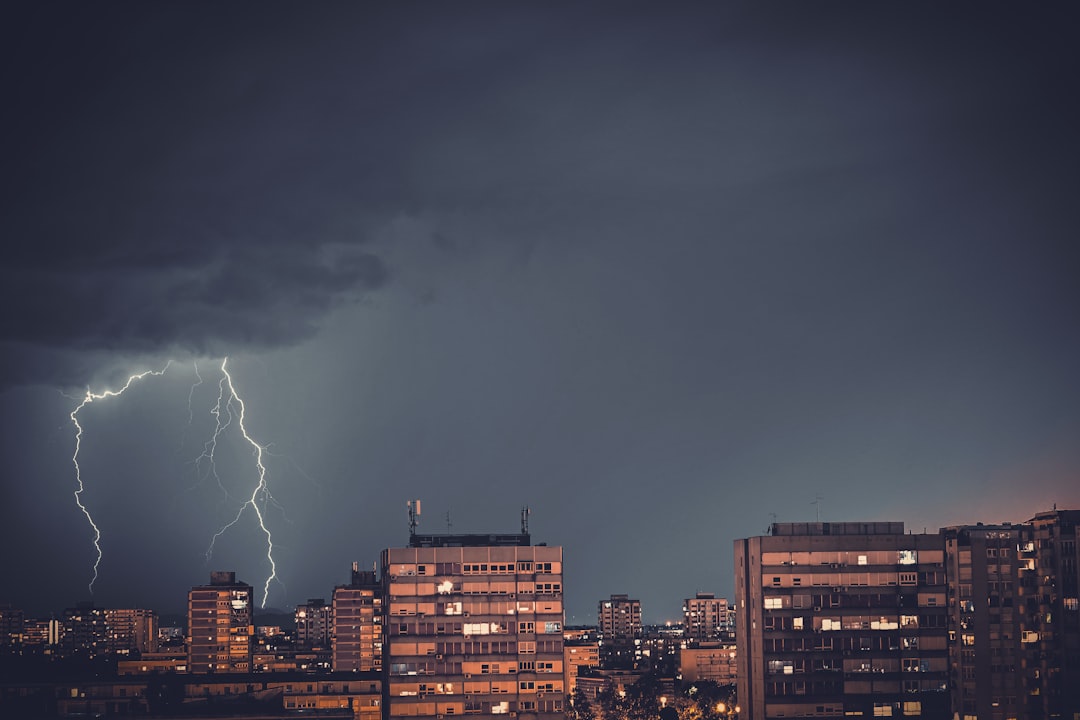
Lightning can be a severe threat to commercial properties. It doesn’t just pose a risk to the building; it can also destroy equipment, knock out power, and halt operations. For any business owner, protecting against lightning damage is essential.
A robust commercial property insurance policy offers peace of mind. Without it, recovering from lightning damage might be financially crippling. Understanding what’s covered, how to mitigate risks, and ensuring you have the right protection can keep your business running smoothly, even after a storm hits.
Understanding Commercial Property Insurance
Starting a business involves many risks, but having the right insurance can minimize financial setbacks. Commercial property insurance is a must-have for any business owner. Here’s a breakdown of what it covers and how it works.
Coverage Basics
Commercial property insurance protects your business’s physical assets. This includes your building, equipment, inventory, and other property from various risks like fire, theft, and weather damage. It’s like a safety net that helps you bounce back if disaster strikes.
Named Perils vs. Open Perils
When purchasing commercial property insurance, you’ll encounter two types of policies: named perils and open perils.
Named Perils: This policy covers specific risks listed in the document, such as fire, theft, and vandalism. If it’s not named, it’s not covered. This type of policy is more restrictive but can be cheaper.
Open Perils: This policy covers all risks except those explicitly excluded. It offers broader protection and is generally more comprehensive. However, it can be more expensive.
Business Location
The location of your business can significantly affect your insurance needs and premiums. For example, a business in a flood-prone area might need additional flood insurance, as standard commercial property policies typically exclude flood damage.
Equipment
Your business relies on various equipment to operate. Commercial property insurance covers the cost of repairing or replacing damaged equipment. This includes computers, manufacturing machines, and other essential tools. If lightning strikes and fries your computer network, your policy can help cover the costs.
Inventory
Inventory is the lifeblood of many businesses. Whether you’re a retailer or a manufacturer, losing your stock can be devastating. Commercial property insurance ensures that your inventory is covered against risks like theft, fire, and certain types of water damage.
Example: A retailer’s warehouse is hit by a lightning-induced fire, damaging thousands of dollars worth of goods. With the right policy, the cost of replacing the inventory would be covered.
Understanding these basics can help you choose the right commercial property insurance for your business. Next, we’ll delve into what specific damages lightning can cause and how insurance covers these incidents.
What Lightning Damage Can Do
Lightning can strike your business in more ways than one. Here are the three major types of damage it can cause:
Fires
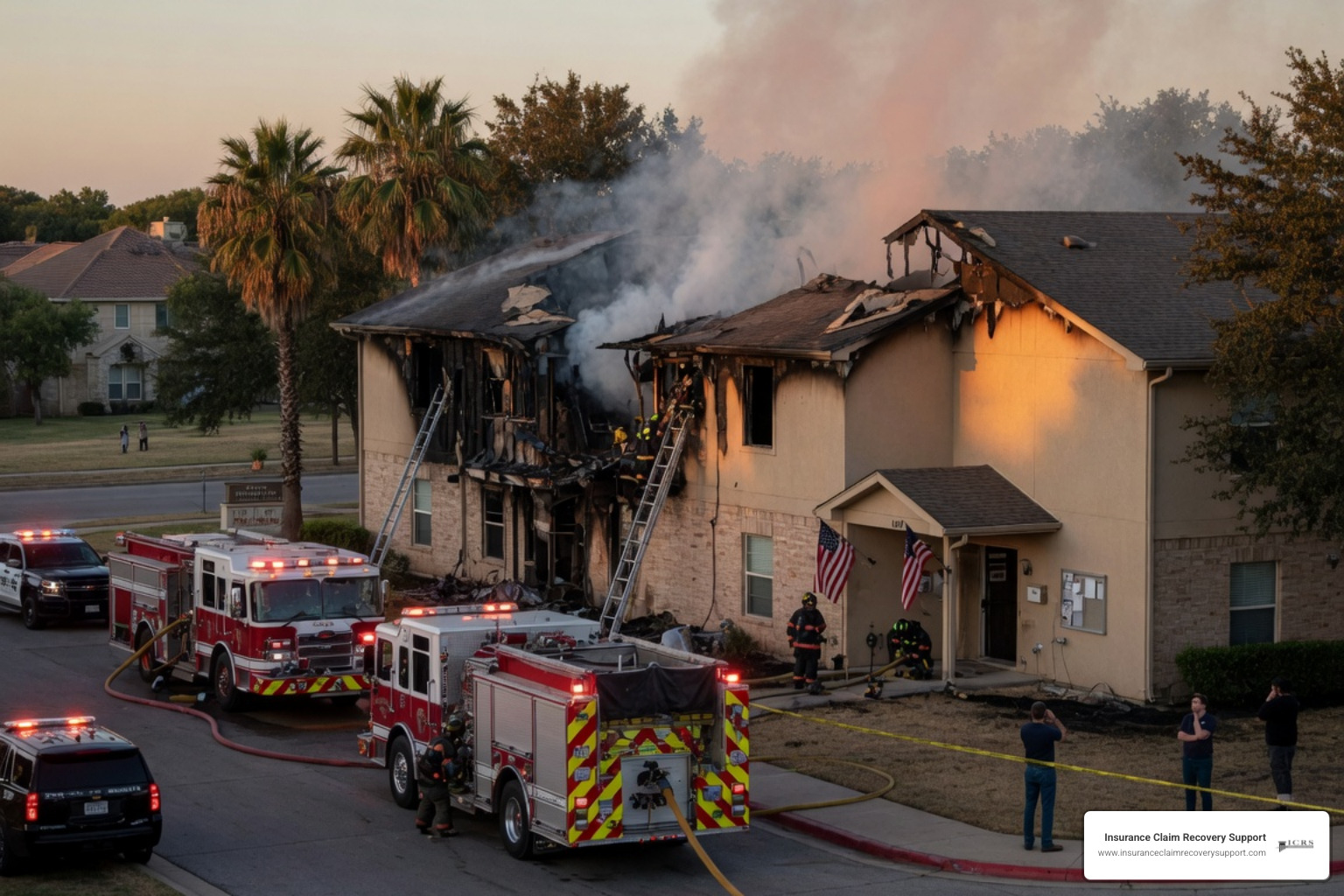
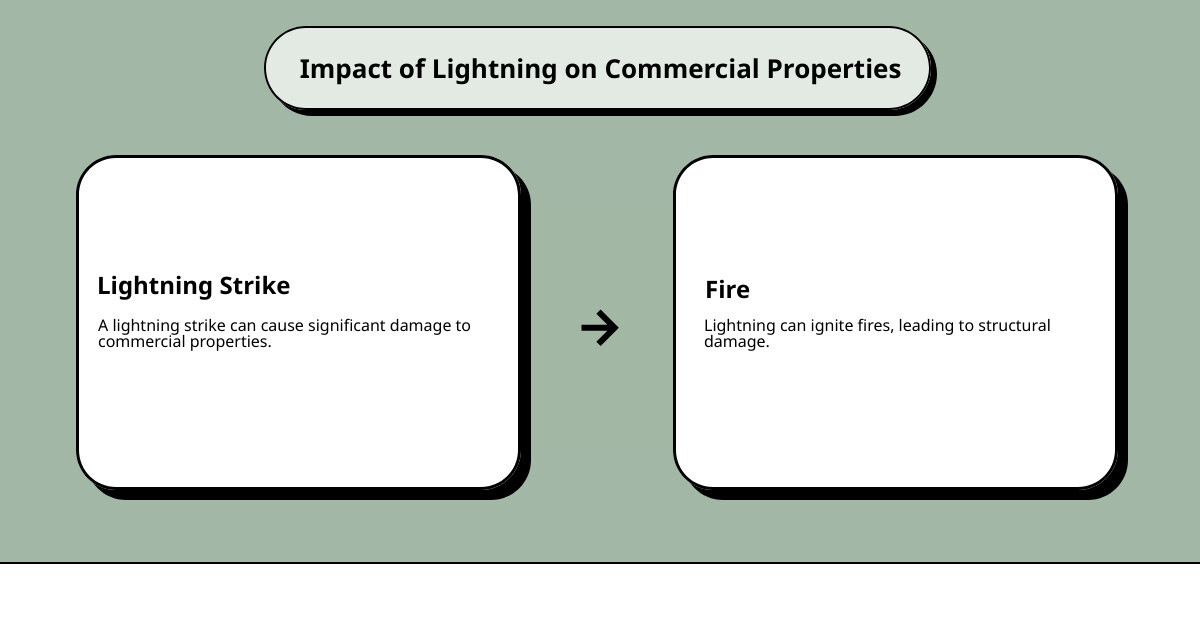
A lightning strike can ignite a fire in an instant. When lightning hits a building, it can spark a fire that spreads rapidly. Commercial fire insurance generally covers fires started by lightning. However, the coverage for secondary damage, like smoke or water from firefighting, can vary by policy.
Example: Imagine a lightning bolt hits a commercial bakery, causing a fire that destroys equipment and inventory. While the fire damage might be covered, the bakery owner should check if their policy also covers the resulting smoke damage and water damage from putting out the fire.
Electrical Damage
Lightning can cause severe electrical damage. A direct strike or even a nearby hit can send a power surge through your building’s electrical systems. This surge can fry circuit boards and damage appliances, computers, and other electronic devices.
Fact: Over 20 million cloud-to-ground lightning strikes occur annually in the U.S., causing around $1 billion in property damage.
Electrical damage might not be immediately obvious. Devices may work intermittently or fail weeks later. This can void warranties and lead to costly repairs.
Example: A tech startup’s office is hit by lightning, damaging their servers and computers. The power surge ruins critical hardware, and the company faces significant downtime. This scenario highlights the importance of having detailed documentation and understanding the full extent of lightning damage.
Indirect Effects
Lightning doesn’t have to hit your building directly to cause damage. Indirect effects can be just as costly.
Example: A lightning strike hits a tree next to your office, causing a heavy branch to fall and smash through a window. This indirect strike damages the building and potentially injures someone inside.
Lightning can also affect nearby power lines, disrupting your business operations. Even miles away, a strike can bring down electrical lines or interfere with wireless communication.
Fact: The Willis Tower in Chicago, a major commercial building, was hit by lightning 250 times between 2015 and 2020. Despite safety systems, such frequent strikes can still cause indirect damage.
Understanding these types of damage can help you better prepare and ensure your commercial property insurance covers all possible scenarios.
Next, we’ll explore how lightning insurance can protect your business property and equipment.
Lightning Insurance Coverage for Commercial Properties
When it comes to protecting your business from lightning damage, understanding what your commercial property insurance covers is crucial. Let’s break down the key areas: Building and Contents, Exterior Property, Inventory, and Equipment Breakdown Coverage.
Building and Contents
Your commercial property insurance typically covers the physical structure of your building and its contents. This includes:
- Building Structure: The walls, roof, and foundation of your property.
- Interior Fixtures: Items like flooring, windows, and built-in cabinets.
- Office Equipment: Computers, printers, and other essential devices.
Example: A furniture manufacturer on the East Coast experienced over $1 million in insured property damage after a lightning strike. This included structural damage and interior losses like damaged inventory and halted production.
Exterior Property
Don’t forget about the exterior elements of your business property. Insurance can cover:
- Signage: Outdoor signs that attract customers.
- Fencing: Important for security and property boundaries.
- Landscaping: Trees and shrubs that might be damaged by a lightning strike.
Fact: Fires from lightning strikes account for 3 to 5 percent of all U.S. commercial property insurance claims, costing over $2 billion annually.
Inventory
Your inventory is vital to your business operations. Commercial property insurance can cover:
- Stock: Goods you sell or use in your business.
- Supplies: Essential materials needed for daily operations.
Example: The East Coast furniture manufacturer also faced significant losses in inventory due to the lightning strike, highlighting the importance of having adequate coverage.
Equipment Breakdown Coverage
Lightning can cause severe damage to your business’s equipment. Equipment breakdown coverage is a valuable add-on to your policy. It covers:
- Machinery and Equipment: Essential for production or operations.
- Electrical Systems: Including wiring, electrical panels, and transformers.
- HVAC Systems: Heating, ventilation, and air conditioning units.
Tip: Proper surge protection devices can prevent equipment damage from lightning-induced surges, complementing your insurance coverage.
Next, we’ll discuss the exclusions and limitations you need to be aware of in your commercial property insurance.
Exclusions and Limitations in Commercial Property Insurance
When it comes to protecting your business, knowing what your commercial property insurance doesn’t cover is just as crucial as knowing what it does. Here are some common exclusions and limitations you should be aware of:
Vehicle Damage
Commercial property insurance typically doesn’t cover damage to vehicles, even if they’re parked on your property. For instance, if a lightning strike causes a tree to fall on your company truck, you won’t be covered unless you have a separate commercial auto insurance policy.
Flood Damage
Flood damage is another big exclusion. Many business owners assume water damage is water damage, but flood damage is often excluded. If your business is in a flood-prone area, consider purchasing a separate flood insurance policy. This is especially important for businesses located along coastal areas, which are more susceptible to flooding and hurricane-related damage.
Earth Movement
Damage from earth movement events like earthquakes, sinkholes, and mudflows is generally not covered under standard commercial property policies. If your business is in an area prone to these events, you can obtain coverage by purchasing an earthquake or earth movement policy extension.
Negligence and Maintenance Issues
Insurance won’t cover damage resulting from negligence or poor maintenance. Common examples include:
- Termite and Insect Damage: These are typically not covered.
- Bird or Rodent Damage: Also usually excluded.
- Rust, Rot, and Mold: These are considered maintenance issues and are not covered.
- General Wear and Tear: Normal wear and tear is not covered.
Proper maintenance can help avoid these issues and prevent costly repairs that your insurance won’t cover.
Intentional Property Damage
If someone intentionally damages your property, this generally isn’t covered. For example, if a disgruntled employee breaks windows or other items, your commercial property insurance likely won’t pay for the repairs.
Negligence
Damage due to negligence, such as failing to fix a known issue, is also excluded. For instance, if you knew about a leaky roof but didn’t fix it, any water damage resulting from that leak won’t be covered.
Understanding these exclusions can help you identify gaps in your coverage. If any of these exclusions are a concern for your business, talk to your insurance provider about additional policies or endorsements to ensure you’re fully protected.

Next, let’s look at ways to reduce the risk of lightning damage to your commercial property.
Reducing Lightning Damage Risks
Protecting your business from lightning damage is crucial. Here are some effective ways to minimize risks:
Lightning Protection Systems
Installing a certified lightning protection system is one of the best investments you can make. These systems provide a safe path for lightning to follow, directing it into the ground and away from your building. According to the Lightning Protection Institute (LPI), a properly installed system could save business owners millions in potential damages and downtime.
Surge Protectors
Surge protectors are essential for safeguarding your electrical and electronic equipment. Properly installed surge protection devices can prevent damage from both lightning and other electrical surges. Surge protection alone isn’t enough; it should be part of a complete lightning protection system.
Building Materials
The materials used in your building can also impact how much damage a lightning strike can cause. Modern materials that are less flammable and more durable can reduce the risk of fire and structural damage. Older buildings, especially those primarily made of wood, are more vulnerable. Regularly updating and maintaining building materials can significantly lower risks.
Fire Safety Inspections
Fires are a common consequence of lightning strikes. Regular fire safety inspections can help identify and fix potential fire hazards before they become problems. Ensure that fire extinguishers are charged and accessible, and train employees on fire prevention and response.
Routine Maintenance
Routine maintenance can prevent many issues that make your property more vulnerable to lightning damage. Here are some key areas to focus on:
– Roof Inspections: Check for leaks and ensure gutters and drains are clear.
– Plumbing Checks: Inspect sinks, toilets, and other water supplies to prevent water damage.
– Electrical System Inspections: Make sure wiring and fuses are up to code.
– HVAC Maintenance: Keep filters clean and systems running efficiently.
By taking these proactive steps, you can significantly reduce the risk of lightning damage to your commercial property. Next, we’ll address some frequently asked questions about lightning insurance.
Frequently Asked Questions about Lightning Insurance
Does commercial insurance cover lightning strikes?
Yes, commercial insurance typically covers lightning strikes. If your building or property is damaged by lightning, your policy should help cover the repair costs. This can include damage to the structure, equipment, and inventory. For example, lightning can cause fires, fry electrical systems, and ruin valuable electronics. According to Accuweather, the Willis Tower in Chicago was hit by lightning 250 times between 2015 and 2020, showing how frequent these incidents can be.
Is lightning covered by equipment breakdown?
Not always. While lightning damage to building structures and contents is usually covered, equipment breakdown insurance is often a separate policy. This type of coverage can protect you from the costs of repairing or replacing machinery and electronics damaged by a lightning-induced power surge. If your business relies heavily on interconnected electronics, this additional coverage is essential. Without it, you could face significant out-of-pocket expenses.
Which is not covered under the commercial property insurance?
Commercial property insurance does not cover everything. Here are some common exclusions:
- Flood Damage: Damage from flooding, including storm surges or river rises, is not covered. You’ll need separate flood insurance for that.
- Earth Movement: Earthquakes, landslides, and other ground movements are typically excluded.
- Negligence and Maintenance Issues: Damage due to poor maintenance or neglect is not covered. Regular inspections and upkeep are crucial.
- Intentional Property Damage: Any damage you or your employees intentionally cause will not be covered.
Understanding these exclusions can help you better prepare and ensure you have the right coverage for your business needs. If your policy has gaps, consider additional coverages like flood or equipment breakdown insurance to fully protect your assets.
Next, we’ll dive into more details on how to reduce the risks of lightning damage.
Conclusion
At Insurance Claim Recovery Support, we understand the complexities and challenges that come with navigating commercial property insurance claims, especially those related to lightning damage. Ensuring your business is adequately protected is crucial, and we are here to help you every step of the way.
Advocacy for Policyholders
Our team is dedicated to advocating for you. We know how overwhelming it can be to deal with insurance companies, especially when they underpay, delay, or deny your claims. Our expertise in policy interpretation and claim negotiation ensures that you receive the maximum settlement possible.
Maximizing Settlements
Lightning damage can be severe and costly. We specialize in accurately assessing the extent of the damage and fighting for a settlement that truly covers the cost of repairs and replacements. Our goal is to ensure that you are not left out-of-pocket due to inadequate insurance assessments or settlements.
Texas Locations
With Texas being one of the states most prone to lightning and storm damage, our presence here is crucial. We have extensive experience dealing with local insurance companies and understand the specific challenges that Texans face when it comes to lightning and other storm-related damages.
Fire and Storm Damage Expertise
Our team is not only skilled in handling lightning damage claims but also has a deep understanding of related fire and storm damage. This comprehensive knowledge ensures that no matter how complex your situation, we can handle it with expertise and care.
Navigating the aftermath of a lightning strike can be daunting. With Insurance Claim Recovery Support by your side, you can face this challenge with confidence. Let us advocate for you and ensure that your property is restored and your financial interests are protected.
For more details on how we can assist you, please visit our service page.
When lightning strikes, you’re not alone. We’re here to light the way to recovery.