Salt Lake City Public Adjusters for Commercial & Large-Loss Claims
When fire, water, freeze, wind or hail damage threatens commercial property, multifamily buildings, churches, schools or high-value homes in Salt Lake City, Provo and Utah Valley or surrounding Utah communities, ICRS represents your interests—not the insurance company’s. We document the damage, evaluate the loss and negotiate your claim.
Public adjusting for substantial and complex property losses
When a loss affects multiple building areas, the total in an estimate is only part of the picture. The claim needs a clear account of damaged materials, repair quantities, specialty evaluations, pricing support and payments already received. ICRS works for the policyholder to help document and present that claim and communicate with the insurer.
Share the property address, type of damage, estimated loss size and claim status when requesting a review. Our team will confirm whether the assignment is a fit and discuss the proposed scope of representation and fees before engagement.
Salt Lake City and the surrounding claim-service corridor
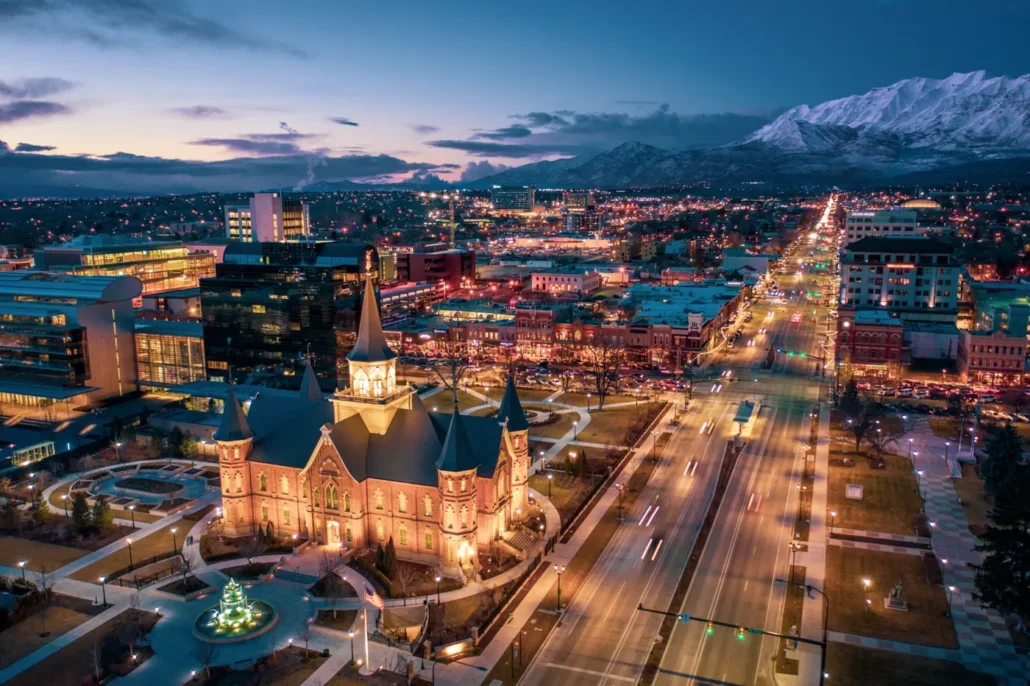
Provo, Utah — serving Utah Valley property owners.
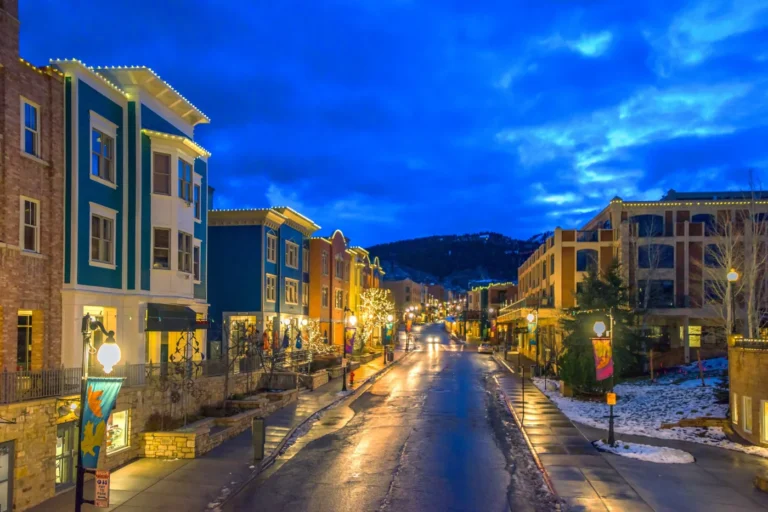
Park City
Park City
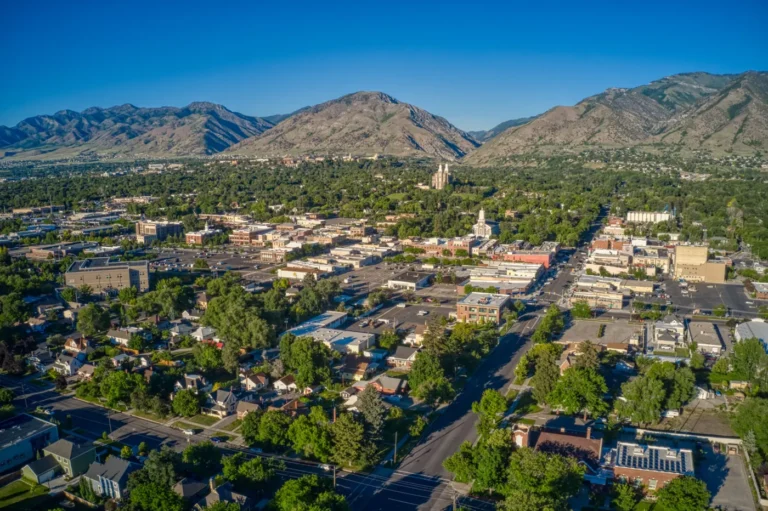
Logan and Cache Valley
Logan and Cache Valley
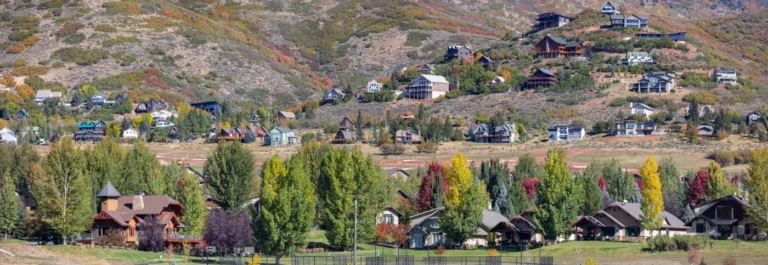
Heber Valley and Midway
Heber Valley and Midway
Salt Lake Valley: Salt Lake City, Midvale, Murray, Sandy, Draper, South Jordan and West Jordan. Commercial, mixed-use and multifamily losses may involve building repairs, tenant improvements, equipment and operational records that need to be separated carefully.
Park City and Heber Valley:Park City, Heber City and Midway. For hospitality properties, association buildings and high-value custom homes, preserve finish schedules, architectural plans and specialty-system specifications alongside damage documentation.
Utah Valley: Provo, Orem, Lehi and American Fork. For multi-building or occupied properties, organize the file by building, unit and common area, and document how repair sequencing affects use of the property.
Northern corridor and Cache Valley: Bountiful, Layton, Ogden, Brigham City, Hyrum and Logan. Identify each affected structure, roof area and system consistently across inspection reports, photographs and estimates.
Service is arranged around the property location, loss complexity and assignment requirements. Submit the exact address so we can confirm availability and inspection logistics. This page describes a service area; it does not represent a separate office in each city.
Commercial properties, apartments, associations, schools, churches and custom homes
Large losses can involve office and retail buildings, industrial properties, apartment communities, condominium and homeowner associations, schools, hotels, churches and high-value custom homes. Each property needs documentation that reflects its construction and use. For apartments and associations, organize damage by building, unit and common area. For schools, document affected classrooms, equipment and shared facilities, along with repair sequencing and interruptions to use.
For churches, keep sanctuary finishes, seating, sound equipment, mechanical systems and ancillary buildings identifiable in the file. For custom homes, retain plans, material selections, cabinetry details and records for integrated mechanical, electrical and control systems. For commercial and hospitality properties, keep building costs separate from business-income and extra-expense records.
Fire, smoke, water and storm claim documentation
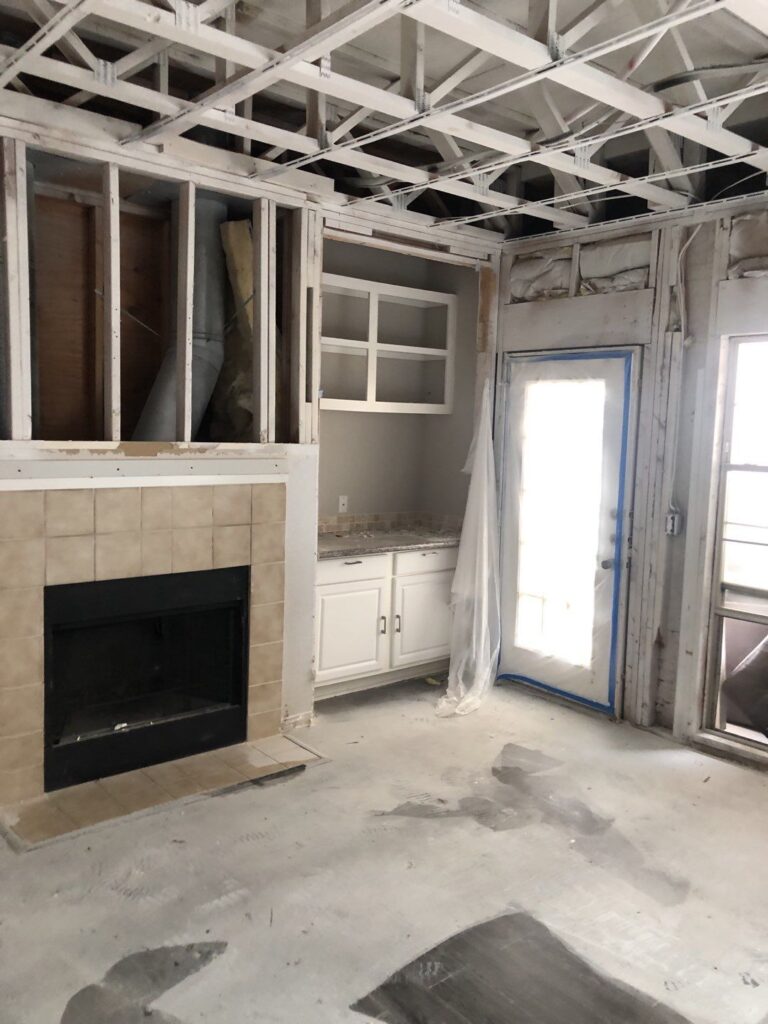
Freeze-loss interior from the ICRS photo collection.
After a fire, organize observed damage and qualified professional findings by room, material and system. Distinguish confirmed repairs from questions requiring further investigation. For water or freeze losses, retain source-of-loss information, moisture records, mitigation invoices and repair estimates. For wind and hail losses, preserve dated photographs, roof information, maintenance history and inspection findings.
Coverage and the appropriate scope depend on the policy and evidence. A damage description alone does not establish coverage or justify replacing every component.
What to provide for a major-loss review
The policy, declarations and available endorsements.
Property address, date of loss and a concise damage summary.
Insurer estimates, payment statements and correspondence.
Photographs, plans, contractor proposals and professional reports.
A list of unresolved scope questions and upcoming deadlines.
The video below explains how ICRS represents policyholders and approaches substantial property insurance claims.
Request a Utah large-loss claim review
Whether your claim is newly reported or you are comparing an insurer’s estimate with a substantially larger documented scope, start by sharing the current file. ICRS exclusively represents policyholders.