The Heartland’s Tornado Challenge
When it comes to Kansas and tornadoes, it’s a relationship deeply intertwined with the state’s geography and weather patterns. If you’re looking for a quick overview:
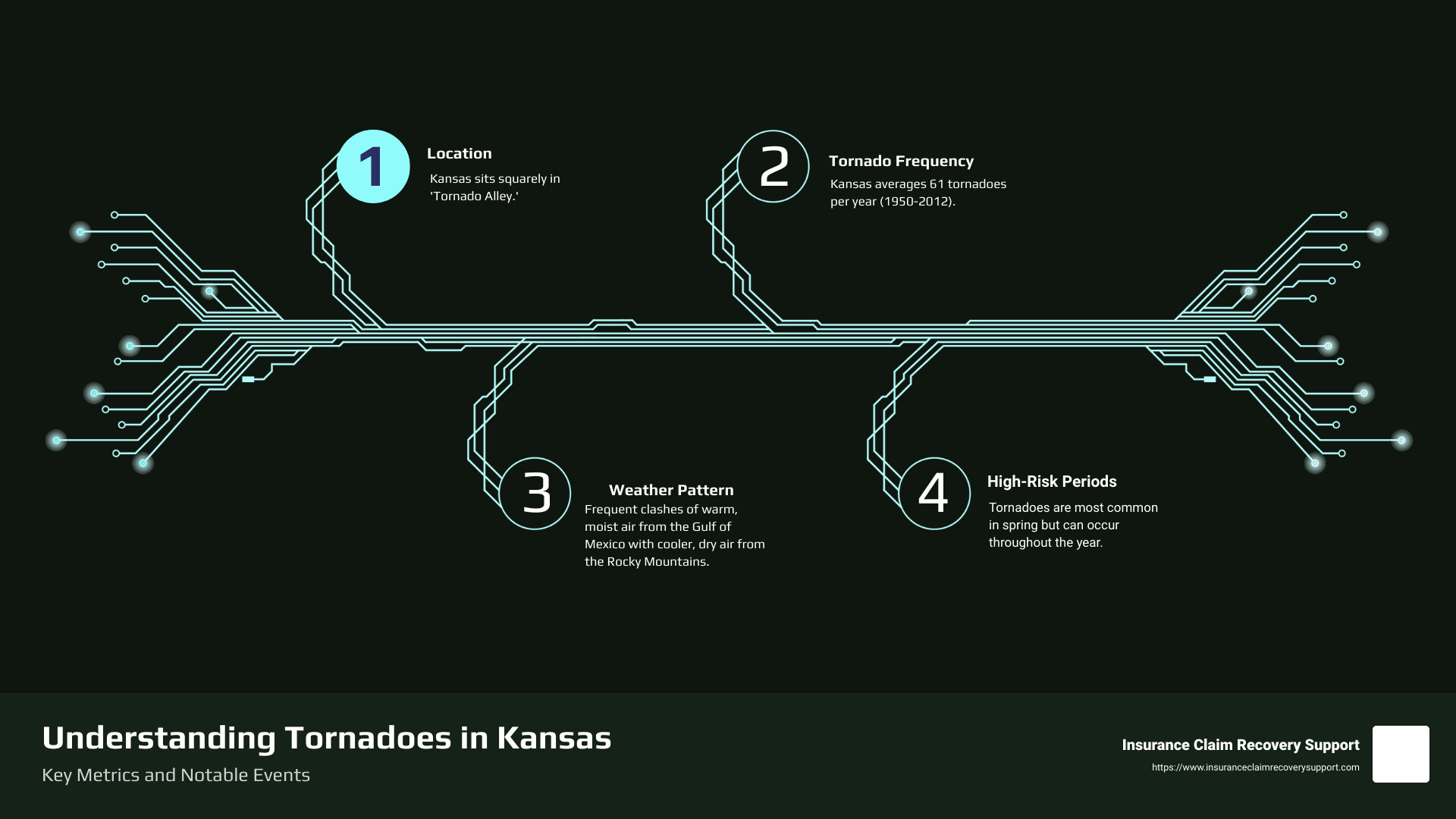
- Location: Kansas sits squarely in “Tornado Alley.”
- Tornado Frequency: Kansas averages 61 tornadoes per year (1950-2012).
But why is Kansas such a hotspot for tornadoes?
It all comes down to geography and weather patterns. Located in Tornado Alley, Kansas frequently experiences the clash of warm, moist air from the Gulf of Mexico with cooler, dry air from the Rocky Mountains. This volatile mix creates the perfect conditions for tornadoes, especially during spring and early summer.
A Glimpse into Kansas Tornadoes:
– Annual Tornado Average (1950-2012): 61 tornadoes
– Notable Storms: The April 26, 1991, Andover Tornado, and the May 4, 2007, Greensburg Tornado.
– High-Risk Periods: Typically spring, but tornadoes can occur throughout the year.
I’m Scott Friedson, a multi-state licensed public adjuster with experience settling over $250 million in property damage claims. I’ve worked extensively with those affected by Kansas tornadoes, helping them navigate the complicated insurance claim processes efficiently.
The History and Impact of Tornadoes in Kansas
Kansas is no stranger to tornadoes, often finding itself in the crosshairs of these powerful storms. Known as part of “Tornado Alley,” the state experiences a significant number of tornadoes each year.
Historical Data
From 1950 to 2012, Kansas saw an average of 61 tornadoes annually. This number has increased over time, with the 30-year average (1983-2012) rising to 80 and the 10-year average (2003-2012) reaching 112. These trends highlight the increasing frequency and potential impact of tornadoes in the state.
Notable Tornadoes
Kansas has witnessed some of the most devastating tornadoes in U.S. history. Two particularly notable events are the Topeka Tornado of 1966 and the Greensburg Tornado of 2007.
Topeka Tornado (1966)
On June 8, 1966, an F5 tornado struck Topeka, causing catastrophic damage. This tornado:
– Counties Affected: Shawnee
– Length: 22 miles
– Width: 1/2 mile
– Killed: 17
– Injured: 550
– Damage: $100 million (equivalent to over $700 million today)
The tornado devastated Washburn University and many residential areas, leaving a lasting impact on the community. It remains one of the costliest tornadoes in U.S. history.
Greensburg Tornado (2007)
On May 4, 2007, Greensburg was hit by an EF5 tornado that leveled or destroyed 95% of the town. Despite adequate warnings, 11 people lost their lives, and 63 were injured. The tornado’s path included:
– Counties Affected: Comanche, Kiowa
– Length: 26 miles
– Width: 1¾ miles
– Damage: $250 million
The Greensburg Tornado was the first to be rated EF5 on the Enhanced Fujita Scale, with wind speeds estimated at 205 mph. It drew national attention and highlighted the importance of preparedness and robust building codes.
Impact on Communities
Tornadoes in Kansas have caused significant injuries, fatalities, and property damage over the years. For example:
– Annual Tornado Fatalities (1950-2012): 237 deaths
– Annual Tornado Injuries (1950-2012): 2,846 injuries
– Property Damage: Over $3.3 billion
– Crop Damage: Approximately $15.8 million
These statistics underscore the devastating impact tornadoes can have on Kansas communities, emphasizing the need for effective safety measures and insurance coverage.
Conclusion
Understanding the history and impact of tornadoes in Kansas is crucial for preparedness and resilience. The next section will delve into how to prepare for these powerful storms, ensuring safety and minimizing damage.
[

]
Understanding Tornado Metrics in Kansas
When it comes to Kansas and tornadoes, understanding the metrics is essential. Let’s dive into some key statistics and figures to get a clearer picture.
Annual Averages
Kansas is no stranger to tornadoes. Between 1950 and 2012, the state averaged 61 tornadoes per year. However, this number has increased over time:
- 1950-2012 Average: 61 tornadoes per year
- 1983-2012 Average: 80 tornadoes per year
- 2003-2012 Average: 112 tornadoes per year
This upward trend highlights the growing need for preparedness and effective warning systems.
County Statistics
Tornado activity isn’t uniform across Kansas. Some counties experience more tornadoes, injuries, and fatalities than others. The maps below show the distribution of tornadoes, fatalities, and injuries across Kansas counties.
For example, Sedgwick County has been particularly hard-hit. One of the deadliest tornadoes, the Andover Tornado of 1991, caused significant damage in this county.
F5/EF5 Tornadoes
Kansas has seen its share of the most violent tornadoes. Since 1950, the state has experienced seven F5/EF5 tornadoes, more than any other state. These tornadoes have rotational velocities between 261-318 mph and can cause catastrophic damage.
Notable F5/EF5 tornadoes include:
- Andover Tornado (1991): 17 killed, 225 injured, $300 million in damage
- Greensburg Tornado (2007): 11 killed, 63 injured, $250 million in damage
These tornadoes left a lasting impact on the communities they struck, emphasizing the need for robust emergency plans.
Injury and Fatality Rates
From 1950 to 2012, Kansas experienced significant tornado-related injuries and fatalities:
- Annual Tornado Fatalities: 237 deaths
- Annual Tornado Injuries: 2,846 injuries
These numbers underscore the human toll of tornadoes and the importance of safety measures.
Monthly Distribution
Tornadoes can occur at any time of year, but they are most common during certain months. The monthly distribution chart below shows when tornadoes are most likely to occur in Kansas.
Understanding these patterns can help residents stay alert during peak tornado seasons.
By understanding these metrics, we can better prepare for the next tornado. The next section will cover how to prepare for tornadoes in Kansas, ensuring safety and minimizing damage.
Preparing for Tornadoes in Kansas
Preparing for tornadoes is crucial in Kansas, where these powerful storms are a common threat. Here’s how you can stay safe and protect your home and family.
Safety Plans
Develop a Family Plan: Make sure everyone in your household knows what to do during a tornado. Identify a safe room in your home, such as a basement or an interior room on the lowest floor, away from windows.
Practice Drills: Regularly practice your tornado safety plan. This ensures everyone knows what to do quickly and without confusion.
Communication Plan: Establish how you will contact family members if separated. Make sure everyone knows the plan and has important phone numbers memorized or written down.
Quote: “Make sure that you have ways to communicate with your family members,” says Bill Bunting, deputy director of the Storm Prediction Center.
Emergency Kits
Having an emergency kit ready can make all the difference during a tornado. Here are the essential items you should include:
- Water and Non-perishable Food: At least a three-day supply per person.
- First-Aid Supplies: Include essential medicines and supplies.
- Flashlights and Batteries: Power outages are common during tornadoes.
- NOAA Weather Radio: With battery backup to receive emergency alerts.
- Important Documents: Keep copies in a waterproof container.
- Personal Hygiene Items: Soap, hand sanitizer, and sanitary products.
- Extra Clothing and Blankets: To stay warm and dry.
- Tools and Supplies: Basic tools, duct tape, and a whistle to signal for help.
- Pet Supplies: Food, water, and medications for your pets.
Community Shelters
Know Your Local Shelters: Identify the location of nearby community shelters. Make sure you know the fastest route to get there.
Safe Rooms: If you don’t have a basement, consider investing in a safe room. These reinforced rooms can withstand the high winds and flying debris of a tornado.
Community Alerts: Stay informed by signing up for your community’s warning system. The Emergency Alert System (EAS) and NOAA Weather Radio provide real-time updates and alerts.
Case Study: During the May 4th, 2007 tornado in Greensburg, Kansas, community shelters saved many lives. Despite the tornado destroying 95% of the town, those in shelters were protected.
Warning Systems
Understand Alerts: Know the difference between a tornado watch and a warning. A watch means conditions are favorable for a tornado, while a warning means one has been sighted or indicated by radar.
Stay Informed: Always keep an eye on weather updates from reliable sources like the National Weather Service. The Storm Prediction Center (SPC) provides regular updates on severe weather risks.
Use Technology: Many apps and services can send alerts directly to your phone. Make sure you have these set up and that your phone is charged.
Fact: Nearly 10 million people live in areas under threat of severe weather, according to the National Weather Service’s Storm Prediction Center.
By implementing these tornado preparedness measures, you can significantly reduce the risks associated with tornadoes. Next, we will discuss the impact of tornadoes on property and the insurance claims process.
Kansas and Tornadoes: Insurance and Recovery
Tornadoes can wreak havoc on property, causing extensive damage to homes, businesses, and infrastructure. In Kansas, known for its frequent and severe tornadoes, understanding how to navigate the insurance claims process is crucial for recovery.
Property Damage
Kansas and tornadoes are synonymous due to the state’s location in Tornado Alley. Tornadoes in Kansas can cause significant property damage. For example, the 2007 Greensburg tornado, an EF5, destroyed 95% of the town, leading to nearly $250 million in damages. Similarly, the Topeka tornado of 1966 resulted in damages exceeding $100 million (equivalent to over $800 million today).
Common Types of Damage:
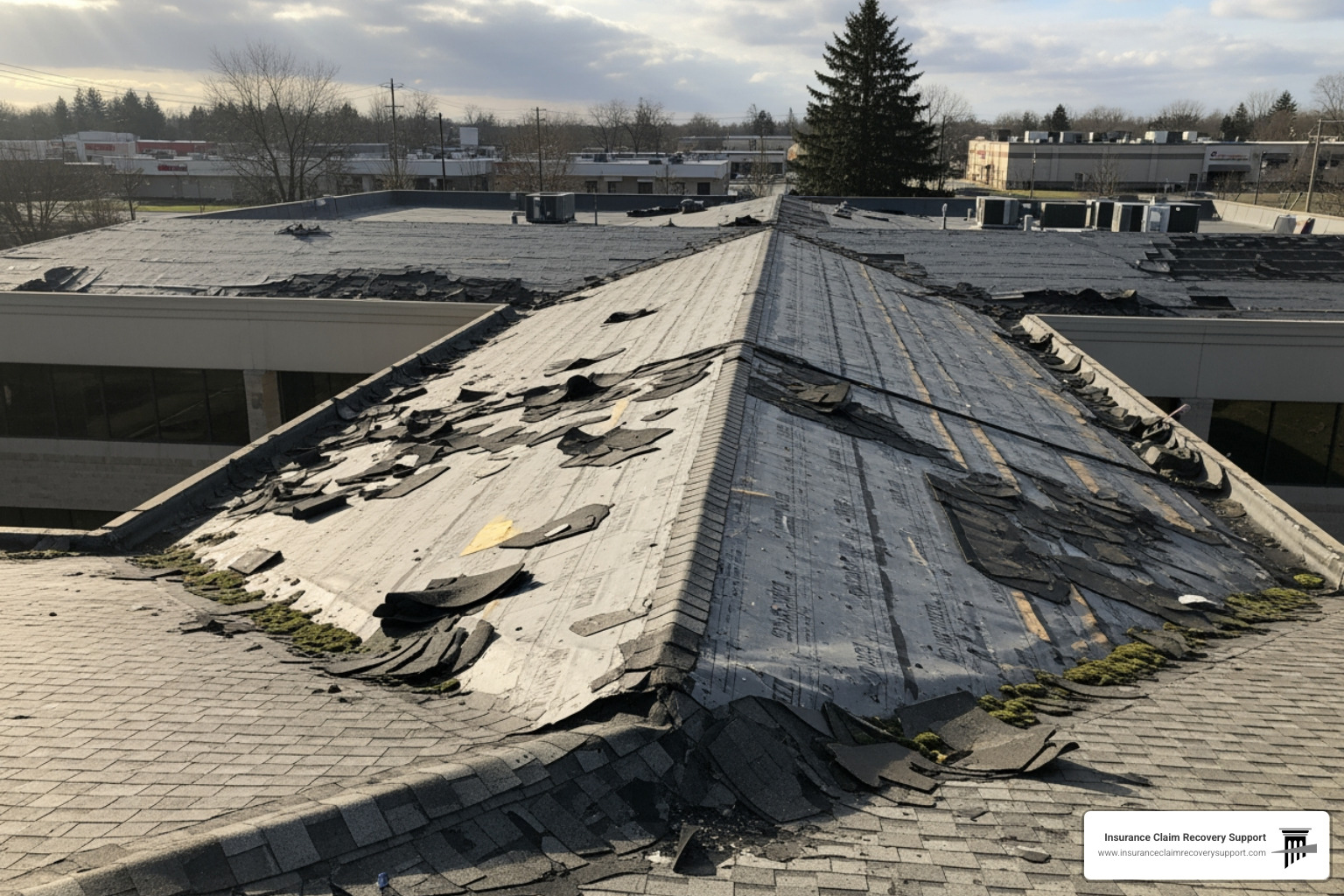
– Structural Damage: Tornadoes can tear roofs off buildings, collapse walls, and even flatten entire structures.
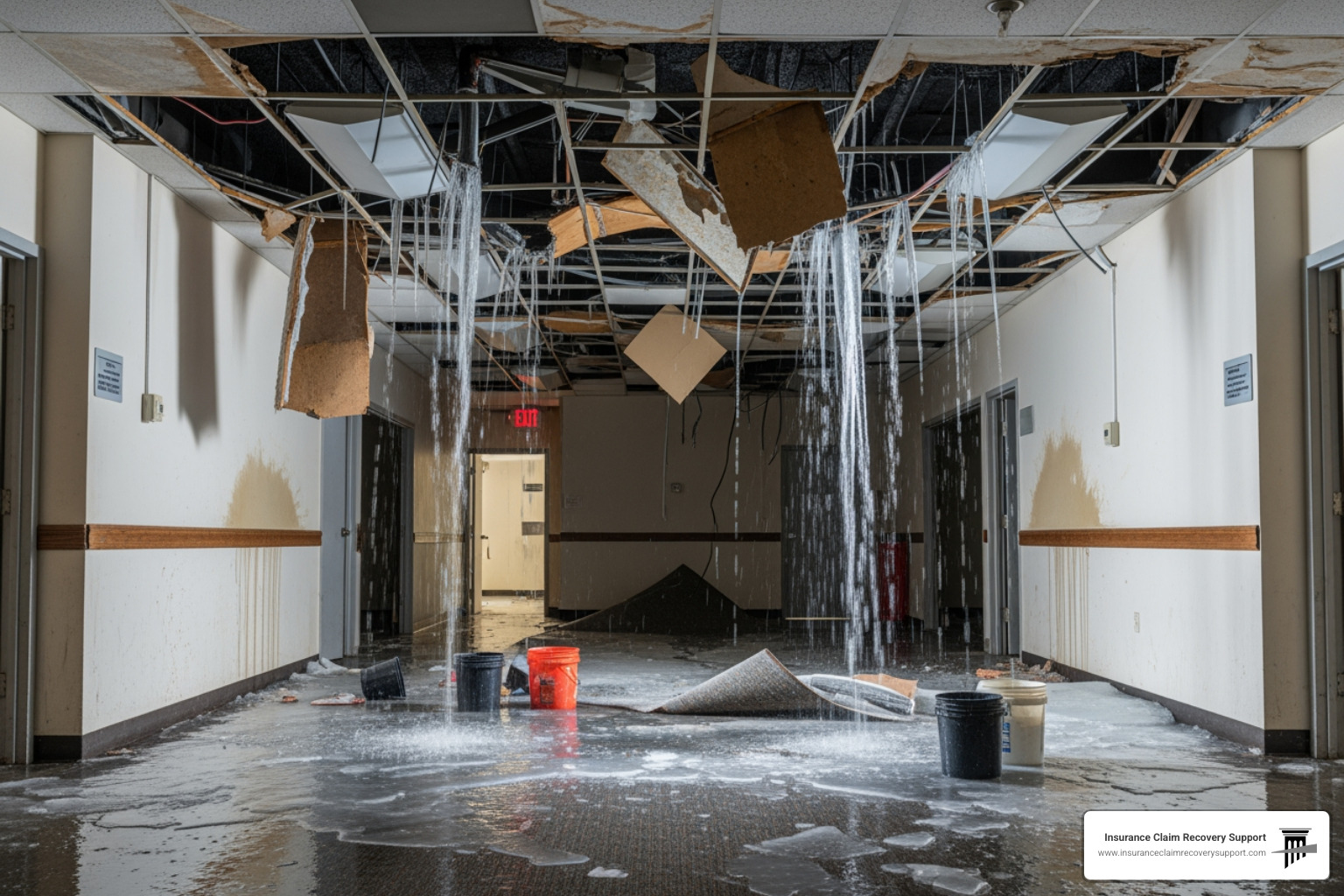
– Water Damage: Tornadoes often bring heavy rains, leading to flooding and water damage.
– Debris Impact: Flying debris can break windows, damage vehicles, and puncture walls.
Insurance Claims
Filing an insurance claim after a tornado can be overwhelming. Here’s a step-by-step guide to help you through the process:
- Review Your Policy: Understand what your insurance covers. Most policies cover wind damage, but it’s essential to verify.
- Document the Damage: Take detailed photos and videos of all damages. This visual evidence is crucial for your claim.
- Create an Inventory: List all damaged items with their purchase dates and costs. This helps in proving the value of your losses.
- Secure Your Property: Prevent further damage by boarding up windows, covering exposed areas, and removing debris.
- File Promptly: Contact your insurance provider as soon as possible to start the claims process. You can file online, via an app, or by phone.
- Get Repair Estimates: Obtain estimates from licensed contractors for all necessary repairs. Multiple estimates can help in negotiations with your insurer.
- Keep Records: Maintain detailed records of all communications with your insurance company, including emails, letters, and phone calls.
Recovery Process
Recovering from a tornado involves more than just repairs. It’s about rebuilding your life and community. Here are some key steps:
- Temporary Housing: If your home is uninhabitable, your policy may cover temporary living expenses. Keep all receipts for hotels, meals, and other costs.
- Professional Help: Consider hiring a public adjuster. They work for you, not the insurance company, and can help maximize your claim settlement. They typically charge a fee but can be invaluable in complex cases.
- Community Support: Leverage local resources like community shelters and emergency services. In Kansas, communities often come together to support each other during recovery.
Insurance Claim Recovery Support
At Insurance Claim Recovery Support, we specialize in helping policyholders navigate the complex claims process. Our goal is to ensure you receive fair compensation for your losses. With experience in handling tornado damage claims, we provide expert guidance every step of the way.
Quote: “The kinds of tornadoes that this storm can produce are particularly intense, and they can be long-lasting,” said meteorologist Porter. This highlights the importance of being prepared and knowing how to file a claim effectively.
By following these steps and utilizing available resources, you can improve your chances of a smooth recovery after a tornado.
Next, we will address some frequently asked questions about tornadoes in Kansas, providing you with even more insights and information.
Frequently Asked Questions about Kansas and Tornadoes
How common are tornadoes in Kansas?
Kansas is one of the most tornado-prone states in the U.S. On average, Kansas experiences 61 tornadoes per year based on data from 1950-2012. However, this average has increased over the decades. From 1983-2012, the average was 80 tornadoes per year, and from 2003-2012, it jumped to 112 tornadoes annually.
Why the increase? Improved detection methods and more reporting could be factors. But it’s clear that tornadoes are a frequent and serious concern in Kansas.
Is all of Kansas in Tornado Alley?
Yes, all of Kansas is considered part of Tornado Alley. This region includes parts of Texas, Oklahoma, Nebraska, and South Dakota. The geography and weather patterns in these areas make them particularly susceptible to tornadoes.
What’s Tornado Alley? It’s a term used to describe a region in the central U.S. where tornadoes are most frequent. Warm, moist air from the Gulf of Mexico meets cool, dry air from the Rockies, creating the perfect conditions for tornado formation.
Why is the Kansas tornado famous?
Kansas has had several notable tornadoes that have made history due to their intensity and impact. Here are a couple of the most famous ones:
Topeka Tornado (June 8, 1966)
- Counties Affected: Shawnee
- Length: 22 miles
- Width: ¾ mile
- Killed: 16
- Injured: 406
- Damage: $100 million
This tornado devastated downtown Topeka, leveling around 820 homes and causing significant damage to Washburn University. It was the costliest natural disaster in Kansas history at the time.
Hesston Tornado (March 13, 1990)
- Counties Affected: Reno, Harvey, McPherson
- Length: 48 miles
- Width: ¾ mile
- Killed: 1
- Injured: 60
- Damage: $25 million
Known as the “Hesston Tornado,” this F5 tornado caused severe damage, especially in Hesston, where homes and businesses were destroyed. The tornado’s intensity was such that it even had a secondary tornado form from it.
These events highlight the power and danger of tornadoes in Kansas, emphasizing the need for preparedness and strong building codes.
Next, let’s explore the insurance and recovery process in the aftermath of a tornado.
Conclusion
Tornadoes are a serious threat in Kansas. They can cause massive destruction and loss of life. Being prepared and having insurance can make a big difference.
Safety Tips
- Have a Plan: Know where to go during a tornado. Basements and storm shelters are best. If you don’t have one, choose a small, windowless room on the lowest floor.
- Emergency Kit: Include water, non-perishable food, a flashlight, batteries, a first-aid kit, and any necessary medications.
- Stay Informed: Use weather apps, NOAA Weather Radio, or local news to stay updated on weather conditions.
- Practice Drills: Regularly practice your tornado safety plan with your family to ensure everyone knows what to do.
Community Resilience
Communities in Kansas have shown incredible strength in the face of tornadoes. For example, after the 2007 Greensburg tornado destroyed 95% of the town, residents rebuilt using sustainable practices. This shows the power of community resilience and the importance of working together.
Importance of Insurance
Insurance is crucial for recovering from tornado damage. It helps cover the costs of repairs and replacements. Make sure your policy covers wind damage and personal property. Document everything and file claims promptly.
If you need help with your tornado damage claim, consider reaching out to Insurance Claim Recovery Support. They can guide you through the process and help you get the compensation you deserve.
By following these tips and staying prepared, we can face the whirlwind together and come out stronger. Stay safe, Kansas!